
Slowscreen SlowScreen
Toggle sidebar

Just launched: free lifetime premium for the first 1,000 members to activate their account.

Start free

Explore the catalogue

Kids' shows by behaviour
Browse behaviours like sharing, helping and problem-solving, with shows that give children recognisable examples without turning viewing into a lecture.

98 Behaviours

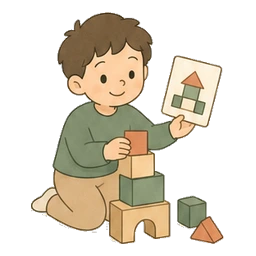
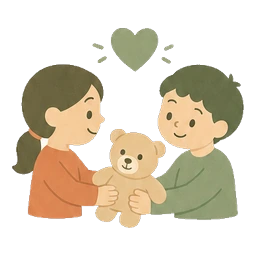
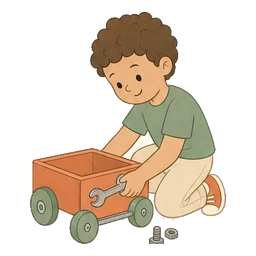
Admitting mistakes Every child spills something, breaks something, or does the exact thing they were told not to do. Saying so out loud is the hard p... Affection Affection is how children give and receive warmth: a hug at the door, a hand held on a walk, a soft voice after a fall. Young chil... Apologising Saying sorry is one of the first repair tools a child learns, and it takes years to grow from a copied word into a real understand... Arguing Arguing is part of how young children learn to hold their own ground and still stay close to the people they love. Watching charac... Arts and crafts Arts and crafts is how young children think with their hands. Cutting, gluing, painting and building let them try an idea out in t... Asking for help Asking for help is one of the first social skills a child practices, and it is harder than it looks. A child has to notice they ar... Asking permission Asking permission is one of the first ways children learn that other people have feelings, belongings and plans of their own. Befo... Asking questions Children ask questions long before they can explain why. It starts with pointing at things and turns, over a few years, into wanti... Boasting Boasting is what happens when a child wants to be seen. Puffing up an achievement, claiming to be the fastest or the best, exagger... Bravery Bravery for a young child rarely looks heroic. It looks like walking into a new room, telling a friend the truth, or trying someth... Brushing teeth Brushing teeth is one of the first daily routines a child is asked to repeat twice a day, every day, whether they feel like it or... Building Building is how young children discover that the world can be shaped by their own hands. Stacking, connecting, knocking down and t... Caregiving Caregiving is one of the first ways young children practise kindness: feeding a doll, patting a crying friend, filling a dog's wat... Caring for animals Caring for animals is one of the first ways children practise noticing someone else's needs. A pet that wants food, a lamb that ne... Caring for nature Caring for nature starts small: noticing a snail on the path, watering a plant, wondering where a bird sleeps. For young children,... Caution Caution is how young children learn to pause before they act: near hot pans, busy streets, deep water or an animal they do not kno... Celebrating Celebrating is how children learn that some days are marked as different: a birthday, a holiday, a first step taken, a job finishe... Chasing Chasing shows up everywhere in early childhood: a game of tag in the garden, a rescue vehicle racing to help, a friend running jus... Climbing Climbing is one of the first ways a young child tests what their body can do: up a ladder, over a rock, onto a tree branch, or acr... Comforting Comforting is about the moment a child feels bad and someone stays close: a scraped knee, a lost toy, a sad friend, a night that f... Competing Competing shows up early in childhood: who runs fastest, who gets there first, who wins the game. For young children it is a mix o... Complaining Complaining is how children test the gap between what they want and what they get. Around this age, grumbling, whining and "that's... Cooking Cooking is one of the first grown-up jobs a child gets to share. Stirring, pouring, waiting for something to rise: it puts hands t... Counting Counting is one of the first ways children make sense of quantity: how many blocks are in the tower, how many steps to the door, w... Creative thinking Creative thinking is what happens when a child looks at something ordinary and imagines it as something else: a box becomes a boat... Curiosity Curiosity is what makes a young child stop, point, and want to know more. Long before they can read, children learn by noticing th... Dancing Dancing is one of the first ways children express what they feel before they have words for it. A bounce at the sound of a beat, a... Deception Deception covers everything from a playful trick to a small fib told to stay out of trouble. Children meet it long before they can... Decision making Decision making is how a child learns to weigh a choice and live with what follows. For young children it starts small, picking a... Demanding behavior Demanding behavior is what it looks like when a young child wants something now and does not yet have the words or patience to wai... Digging Digging is one of the first ways children get to shape the world around them. A shovel in sand, a hole in the garden, a machine sc... Drawing Drawing is one of the first ways a child leaves a mark on the world. Long before letters arrive, a crayon lets children work out w... Dressing up Dressing up is one of the first ways children try on the world: a cape, a hat, a pair of oversized boots, and suddenly they are so... Eating Eating fills more of a young child's day than almost anything else: the high chair, the snack, the standoff over one green thing o... Encouraging Encouragement is what a child hears when someone believes they can do it. In these series, characters cheer each other on, offer a... Explaining Explaining is how young children start making sense of the world: why it rains, how a bridge holds, where bread comes from. A seri... Exploring Exploring starts small: opening a box, following a path, asking what is behind the door. It is how children learn that the world h... Expressing feelings Expressing feelings means putting something inside into words, faces, or gestures that other people can understand. For young chil... Following instructions Following instructions is one of the first ways a small child joins in with the world around them: listening, holding a request in... Gift giving Gift giving is one of the first ways children practice thinking about someone else. Choosing something, wrapping it, waiting to ha... Gratitude Gratitude is noticing something good and letting it show. For young children that starts small: a thank you that actually means so... Greeting Greeting is one of the first social moves a child makes: a wave, a name, a hello that says 'I see you'. It sounds small, but it is... Guessing Guessing is one of the first ways children think out loud. They notice a clue, hold it in mind, and risk an answer before knowing... Helping Helping is one of the first ways a young child discovers they can matter to someone else. It starts with carrying a bag or holding... Hide and seek Hide and seek is one of the first games a child plays where someone disappears and comes back on purpose. Behind the giggling sits... Hiding Hiding is one of the first games children play, and one of the first fears they name. Tucking behind a curtain, waiting to be foun... Honesty Honesty is one of the first moral ideas a young child works out, and it rarely starts with big lies. It starts with a broken cup n... Hygiene Hygiene is everything around keeping a body clean and comfortable: washing hands, brushing teeth, bathing, blowing a nose, cleanin... Imitation Young children learn by copying. Long before they can follow an explanation, they watch what someone does, store it, and try it ou... Including others Including others is one of the first social skills a child practises for real: noticing someone standing at the edge, making room,... Independence Independence is the slow work of a child learning to do things for themselves: putting on a coat, choosing what to play, trying ag... Investigating Investigating starts small: a child notices something odd, wants a closer look, and asks what is going on. Long before it looks li... Jumping Jumping is one of the first big movements a child masters on their own: two feet leaving the ground at the same time, then landing... Keeping promises Keeping promises is one of the first ways children learn that words carry weight. For a young child, a promise is not an abstract... Listening Listening is more than hearing. For young children it is the slow work of tuning in to a voice, holding on to what was said, and l... Listening to a story Listening to a story means following someone else's words all the way to the end, and holding the people and places in mind while... Making amends Making amends is what happens after something goes wrong: a knocked-over tower, a snatched toy, a friend in tears. Young children... Mischief Mischief is the small trouble children make on purpose: hiding a sock, poking at a rule to see what happens, saying yes and doing... Negotiating Negotiating is how children learn that wanting something is only the beginning. Trading a toy, asking for one more turn, settling... Observing Observing is the first step in almost everything a young child learns: looking closely, listening carefully, and noticing what has... Overeating Overeating is one of the first places a young child meets the gap between wanting and needing. Toddlers and preschoolers are still... Packing Packing means deciding what comes with you and what stays behind. For young children it sits right where memory, planning and lett... Perseverance Perseverance is what happens in the small moments when something does not work the first time: the tower falls, the zipper sticks,... Persuading Persuading is how children learn to get what they want with words instead of grabbing, whining or giving up. It covers making a ca... Planning Planning is how a child moves from wanting something to actually getting there: thinking of a goal, working out the steps, and sta... Playing Play is how young children practise the world. Pretending, building, taking turns and inventing rules are the ways they test out i... Politeness Politeness is how children learn to make other people feel comfortable: saying please and thank you, greeting someone, waiting for... Positive self talk Positive self talk is the quiet voice a child uses when something goes wrong: whether it becomes 'I can try again' or 'I always me... Possessiveness Possessiveness is the pull a child feels when something is theirs: the cup, the blanket, the toy another hand just reached for. It... Practising a skill Practising a skill is what happens between wanting to do something and being able to do it. For young children that means tying a... Pretend play Pretend play is how young children rehearse the world. A cardboard box becomes a spaceship, a doll becomes a baby who needs feedin... Problem solving Problem solving is what a child does the moment something does not work: a tower that keeps falling, a friend who wants the other... Reading Reading starts long before a child can decode a single word. For young children it is about voices, pictures, rhythm and the pleas... Reconciliation Reconciliation is what happens after the argument: the moment a child figures out how to come back to someone they upset, or let s... Refusing Refusing is one of the first ways a young child says something about themselves. A firm 'no' at the table, at the door, at bedtime... Rescuing Rescuing stories are about someone in trouble and someone else deciding to help. For young children this is one of the first ways... Riding Riding covers everything with wheels and pedals: bikes, scooters, cars, trains, planes and the trips they make. Small children are... Running away Running away shows up in childhood long before a child could actually do it. It starts as wandering off after something interestin... Scheming Scheming is what happens when a child cooks up a plan: a surprise for someone, a way to get the last biscuit, a scheme with a frie... Searching Searching means looking for something that is missing, hidden, or waiting to be found. For young children it is one of the earlies... Seeking comfort Every young child runs into moments that feel too big: a scraped knee, a scary noise at night, a goodbye at the door. Seeking comf... Self regulation Self regulation is how a child learns to notice a big feeling and do something with it besides fall apart. It grows slowly, throug... Sharing Sharing is one of the first big social lessons of childhood, and it is harder than it looks. A child has to hold on to what they w... Singing Singing is one of the first ways children make something of their own: a tune they hum in the car, a refrain they repeat until eve... Standing up for others Standing up for others is one of the first moral instincts children show, and it starts small: noticing that someone is left out,... Stealing Taking something that belongs to someone else is one of the first big moral questions young children run into, usually long before... Storytelling Storytelling is how children first learn that events connect: something happens, someone feels it, and it leads somewhere. Long be... Table manners Table manners are the small rituals that turn eating into something shared: sitting down together, asking instead of grabbing, wai... Taking initiative Taking initiative is the moment a child stops waiting to be told and starts doing: choosing a plan, trying it, adjusting when it d... Taking turns Taking turns is one of the first real lessons in sharing time and space with someone else. It asks a child to wait, to hand someth... Teaching Teaching is what happens when one person shows another how something works, and children live it long before they can name it. A t... Teamwork Teamwork is what happens when children stop playing next to each other and start playing with each other: sharing a job, taking tu... Teasing Teasing sits right on the line between play and hurt, and young children spend years learning where that line is. They tease, they... Tidying up Tidying up is one of the first jobs a young child gets to own. Putting blocks back in the basket, hanging up a coat, finding a hom... Trial and error Trial and error is how young children learn almost everything: they try something, it does not work, and they try again another wa... Trying something new Trying something new is one of the biggest jobs of early childhood. A first taste, a first climb, a first day somewhere unfamiliar... Using tools Using tools is how young children discover that their hands can change the world. A spoon, a hammer, a magnifying glass, a paintbr... Writing Writing is how children discover that marks on paper can hold meaning. Long before letters, it starts with scribbling, drawing, an...
No topics match your search.

Just launched: free lifetime premium for the first 1,000 members to activate their account.

Create your account

Search by title, show, tag, or topic

We use functional cookies and Google Analytics to improve our site. Learn more