
Slowscreen SlowScreen
Toggle sidebar

Just launched: free lifetime premium for the first 1,000 members to activate their account.

Start free

Theme

Fear of the dark

Darkness is one of the first fears almost every young child meets. When the light goes off, familiar rooms change shape, parents step away, and a child has to hold on to the idea that everything is still there. A calm, well made story about the dark gives your child a safe place to meet that feeling in daylight, with characters who name it, sit with it, and find their way through before the story ends.

For 3-year-olds

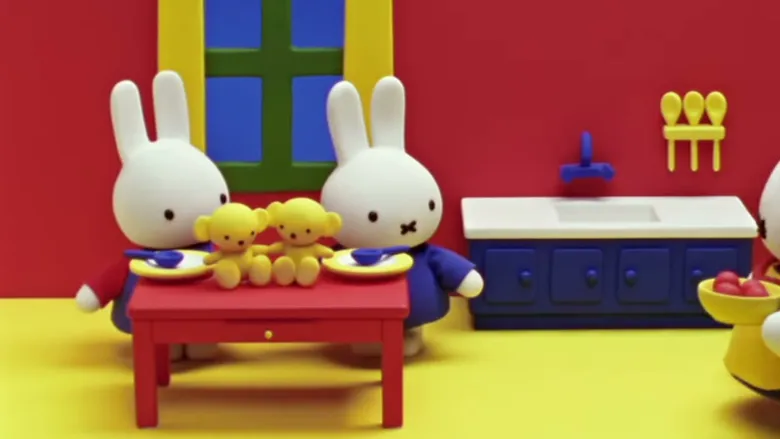
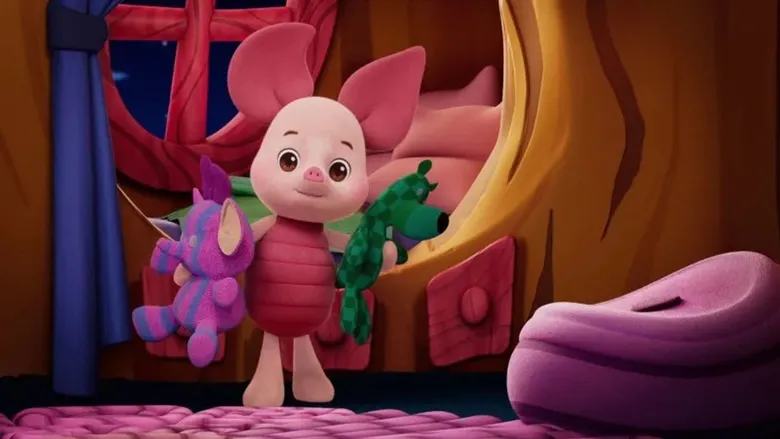
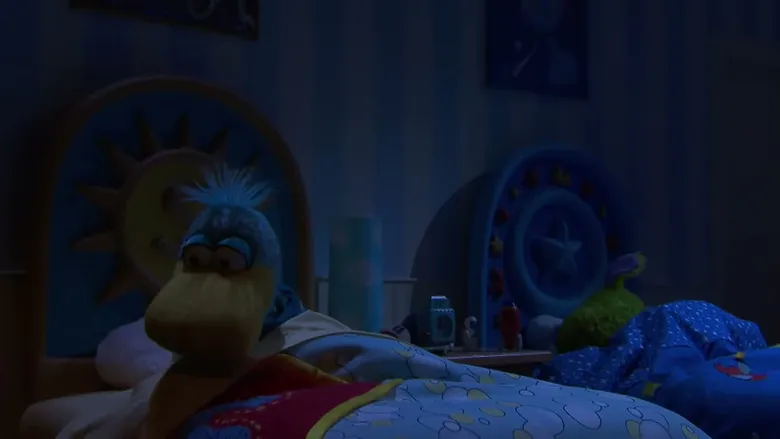
Three is when imagination arrives in force, and it fills the dark corners of the room. Shadows become shapes, and your child cannot yet tell a made up worry from a real one, so reassurance alone rarely lands. Helpful stories give the feeling a name, show a character being frightened without being laughed at, and let a comfort object, a small light, or a friend make the night manageable. The problem should be solved inside the same story, not carried over.

For 4-year-olds

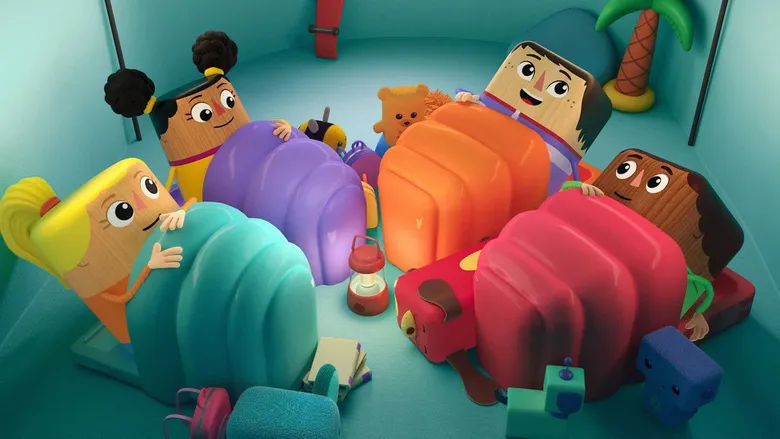
Four year olds want to do something about their fear rather than only be soothed. They can talk about what worries them, they enjoy testing how brave they are, and they copy strategies they see. Look for characters who make a plan, check the room, carry a flashlight, or ask for help out loud, and who still feel a bit scared while doing it. Fear that is taken seriously teaches more here than a character who is never afraid at all.

For 5-year-olds

By five, your child understands that dark is simply the absence of light, but knowing that does not switch the feeling off. Fears grow more specific now, often fed by things heard from older children, and your child may hide them to seem grown up. Good stories at this age explain how night works, make the dark somewhere to explore rather than only endure, and show courage as something you build slowly. A character comforting a scared friend gives your child words to borrow.

For 6-year-olds

At six, being afraid of the dark can feel embarrassing, and that shame is often heavier than the fear itself. Your child can follow a longer story, sit with real tension, and understand that fear and knowledge can exist side by side. Look for stories that allow genuine suspense before resolving it clearly, that use humour without mocking the frightened character, and that let curiosity about the night win. Seeing an older or capable character admit to nerves matters most now.

Just launched: free lifetime premium for the first 1,000 members to activate their account.

Create your account

Search by title, show, tag, or topic

We use functional cookies and Google Analytics to improve our site. Read our cookie policy