




This program is stimulating. It actively demands attention and can feel intense. For the recommended age, this may be on the more intense side.
The pacing is calm. A child has time to watch and understand what is happening.
The sound is intense and continuously present.
The visuals are busy, with a lot of movement and frequent changes.
There is one clear thread to follow: the song works straight through the alphabet from A to Z, so a child always knows where they are. It opens with an introduction, moves letter by letter in order, and closes by returning to the chorus, which makes the build-up easy to track. The small caveat is that this is a teaching song rather than a story, so there is little cause and effect beyond the idea that single sounds blend together into words. Each letter adds a simple, familiar example such as apple for A or ball for B, which keeps the load manageable.
This show stands out for its steady, warm mood. The tone stays cheerful and encouraging from beginning to end, with friendly characters singing and smiling together and no anger, fear, or sadness anywhere in the video. Because nothing frightening or tense ever appears, there are no upsetting moments a child would need to recover from. The emotional register holds level the whole way through, so a young viewer is never caught off guard by a sudden change in mood.
This pillar scores low because the video is a sing-along, not a story where someone faces a problem and works it out. No character sets a goal, tries something, hits a setback, or adjusts, so a child sees almost no independent thinking or initiative in action. The one positive thread is the phonics method itself, where the song models breaking a word down, sounding it out, and putting the sounds back together to read. That is a useful strategy, but it is delivered as instruction rather than shown through a character solving something.
The language is clear and well matched to a four-year-old. Each letter sound is spoken cleanly and paired correctly with a concrete, familiar word like cat, dog, or fish, and a few less common words such as igloo and xylophone stretch vocabulary a little with a picture to anchor them. Nearly all of the words do a teaching job rather than filling space, which keeps the language purposeful. The one caveat is that the format leans on single sounds and one-word examples, so full sentences are mostly limited to the chorus lines like 'What sound does that letter make?'.
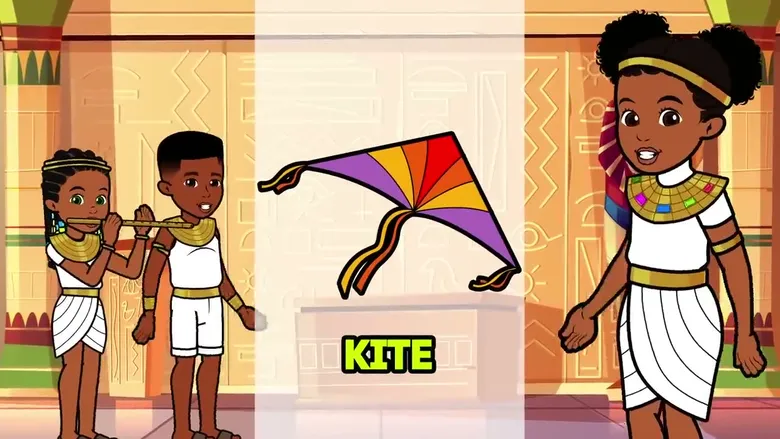
The core skill here connects directly to real life: learning letter sounds and blending them is a genuine first step toward reading, and a child can practice it off screen right away. The example words are all real, recognizable objects, and the Egyptian setting of pyramids and desert ties the song to a real place in the world. What holds the pillar back is that, as a song, it shows little hands-on, step-by-step activity, and the social side stays light, with children mostly singing and dancing together rather than working through everyday situations.
More information
This score shows how inclusively the series portrays diverse people, families and cultures. Scale: Limited → Varied → Rich → Inclusive.
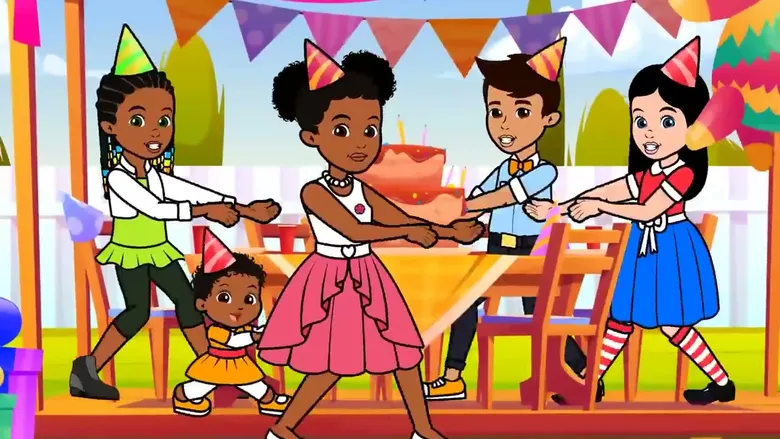
This phonics song follows Gracie and a group of friends learning letter sounds in a bright classroom and an ancient Egyptian world full of pyramids and temples. Almost all the children are Black, drawn with a range of natural hairstyles, and girls and boys take part as equals with no stereotyped roles, which makes the representation positive and dignified. What it does not offer is breadth in other directions: other ethnic backgrounds, different ages, and family or caregiving relationships do not appear, so the world stays within one group and one age band. Families looking for joyful, confident representation of Black children will find it here, while the overall span of who is shown stays narrow.
This score shows whether the series stays close to everyday reality or leans into fantasy. Scale: Fantasy → Mixed reality → Realistic.
Gracie's Corner stays firmly grounded in a real child's world, following a family of children who sing and dance their way through the alphabet using everyday objects and familiar animals for each letter. There is no villain and no conflict at all, just a friendly, cooperative lesson in letter sounds. Because the show uses no magic, there are no fantasy rules to keep track of, and its simple, recognizable world is a strong match for a child of this age learning the alphabet.
This score shows how enjoyable the series is for parents watching along. Scale: Tedious → Tolerable → Pleasant → Enjoyable.
This is a phonics song that moves through the alphabet from A to Z, pairing each letter with its sound and a simple word like apple or ball. The songs are catchy and the animation is clean, which makes the video easy to have on in the room. For a parent watching along, though, there is no story to follow and nothing written for an adult, so the appeal rests mostly on the music. The same letter-by-letter format runs from start to finish, which is what holds the adult experience back.
Themes
Alphabet
Central
The song moves through every letter A to Z, each shown as a large colored letter on screen
Phonics
Central
Each letter is paired with its sound, such as 'A says a-a-a' and 'B says b-b-b'
Early literacy
Central
The chorus models blending sounds with 'put the sounds together, now we're reading words'
Gracie and a group of children sing a phonics song that works through the alphabet from A to Z, giving each letter its sound and a familiar example word, such as apple for A and ball for B. The setting is an Egyptian backdrop of pyramids, desert, and temples, where the characters dance and sing together. The chorus repeatedly asks 'What sound does that letter make?' and models sounding out and blending sounds into words. The song closes by returning to the chorus and showing Gracie with a book in a quiet room.