
Slowscreen SlowScreen
Toggle sidebar

Just launched: free lifetime premium for the first 1,000 members to activate their account.

Start free

Theme

Saying no

Saying no is one of the first ways a child claims a bit of control over their own life. It shows up as refusing a coat, holding a toy tight, or turning down a game a friend suggests. A calm, well-made series can show children how a no sounds when it is said clearly and kindly, and how it feels to hear one without the world falling apart.

For 2-year-olds

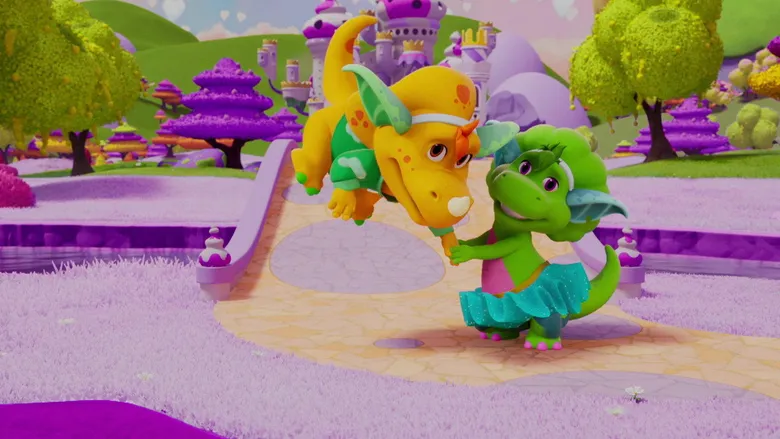
At two, no is a whole-body word. It arrives loudly, often about coats, shoes, food or bedtime, and it is less about the coat than about discovering that a small person can have an opinion at all. Look for stories with a slow rhythm, plenty of repetition and adults who stay calm when a child digs in. The reassuring part for a toddler is seeing that the grown-up still stays close after the no.

For 3-year-olds

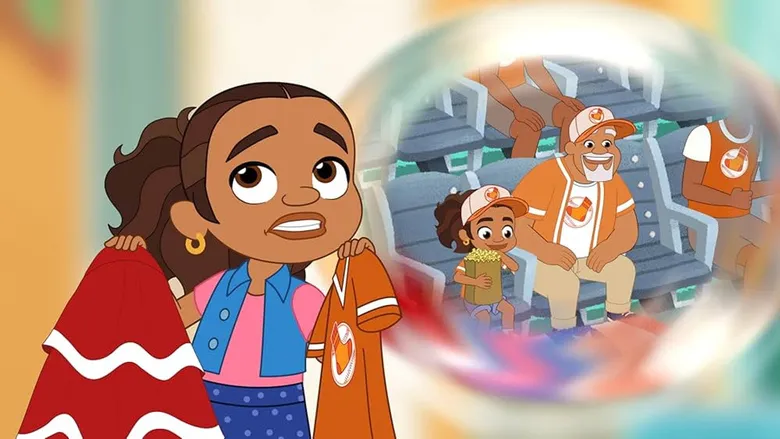
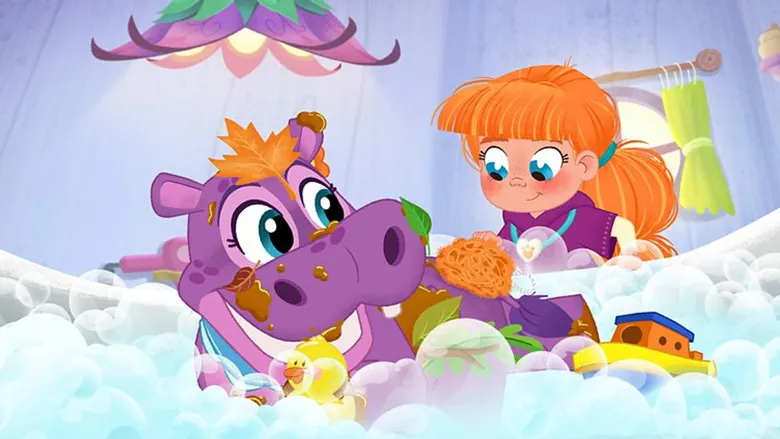
Three-year-olds start pairing their no with a reason, even a shaky one. They test how far a refusal stretches and notice that some no's are accepted and others are not. Helpful stories name the feeling underneath, show a simple choice offered instead of a battle, and let the child recover afterwards. Watch for episodes where a no leads to a conversation rather than a punishment or an instant surrender.

For 6-year-olds

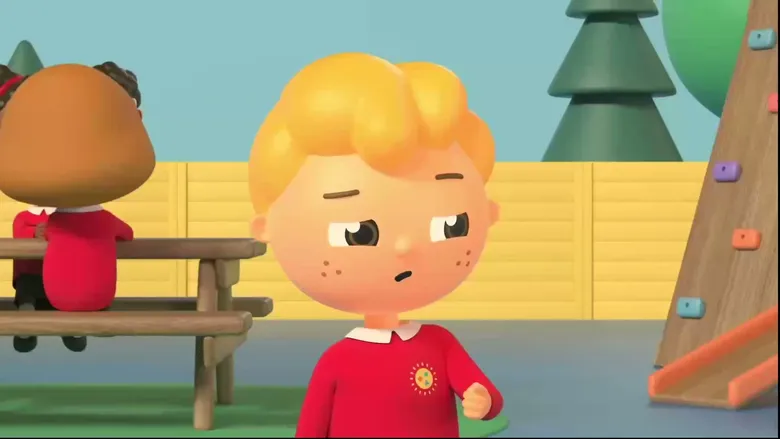
At six, children can hold two things at once: caring about someone and still turning them down. They are ready for stories where a no is said carefully, with a reason attached, or where a character regrets not saying it sooner. Look for plots that give the refusal consequences and time to work through, including repair afterwards. This is also the age to see adults accept a child's no, which quietly tells a six-year-old their limits count.

Just launched: free lifetime premium for the first 1,000 members to activate their account.

Create your account

Search by title, show, tag, or topic

We use functional cookies and Google Analytics to improve our site. Learn more