
Slowscreen SlowScreen
Toggle sidebar

Just launched: free lifetime premium for the first 1,000 members to activate their account.

Start free

Activity

Experimenting

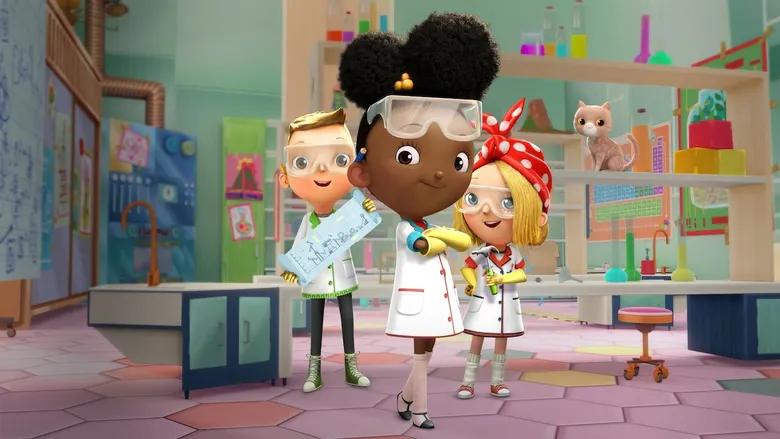
Experimenting is how young children find out what happens when they change something: pour water from one cup to another, roll a ball down a steeper ramp, mix two colours and see what appears. A calm, well-made series about experimenting shows that trying, failing and trying again is normal, and it gives children words for what they are noticing. It can turn ordinary moments at the kitchen table into something worth looking at more closely.

For 3-year-olds

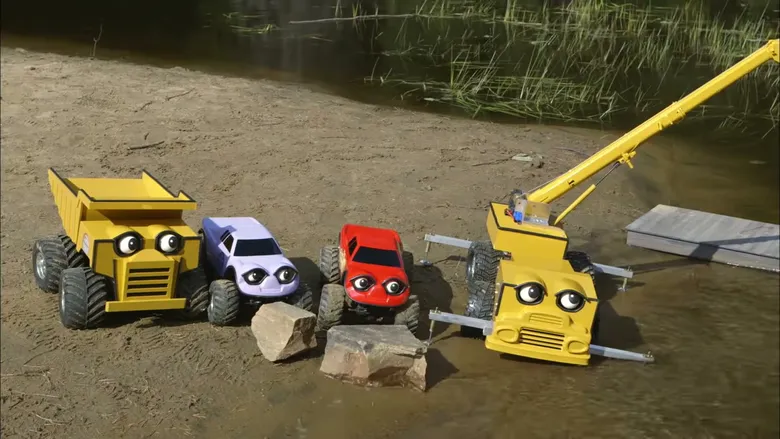
At three, experimenting is mostly hands and repetition. A child fills and empties the same cup a dozen times because the result still surprises them, and the idea of a question with an answer is only just forming. Look for a series that stays with one simple wonder at a time, shows the trying-out step by step, and lets a mistake pass without drama. Slow pacing matters here: a child of this age needs time to watch what happens before the next thing starts.

For 4-year-olds

By four, a child can hold a small prediction in their head and check it. They start asking why things fall, float or stick, and they notice when the outcome does not match what they expected. Look for a series that makes the question audible before the trying begins, so the child can guess along, and that shows a plan changing after something fails rather than working the first time. Stories where children work out an idea together fit this age well, since sharing and comparing ideas is part of the thinking now.

Just launched: free lifetime premium for the first 1,000 members to activate their account.

Create your account

Search by title, show, tag, or topic

We use functional cookies and Google Analytics to improve our site. Read our cookie policy