
Activity
Traveling
Traveling is one of the first ways children learn that the world is bigger than home. A show about journeys can turn packing a bag, riding a bus, or arriving somewhere new into something a child understands and looks forward to. When it moves at a calm pace, it gives children time to take in unfamiliar places without feeling overwhelmed.
For 2-year-olds
At two, traveling is mostly about the going, not the destination. Toddlers recognise the car seat, the suitcase, the wave goodbye, and they find comfort in seeing those same steps repeated on screen. Look for stories with short, simple journeys and a clear return home, so the trip always ends where it started. Familiar characters and gentle repetition help a toddler follow along without needing to understand a map or a plan.
For 4-year-olds
By four, a child can hold a whole journey in mind: the reason for going, the trip itself, and what was found there. This is the age where traveling becomes about discovery, comparing how people eat, play, or build houses somewhere else. Stories that pause long enough to explore one place properly give a four-year-old something real to remember and talk about afterwards. Small hiccups along the way, a wrong turn or a delay, are useful here, because they show that travel takes patience.
Tumble Leaf
Shiny Coins
recommended age
Unlock
co-watching from 2
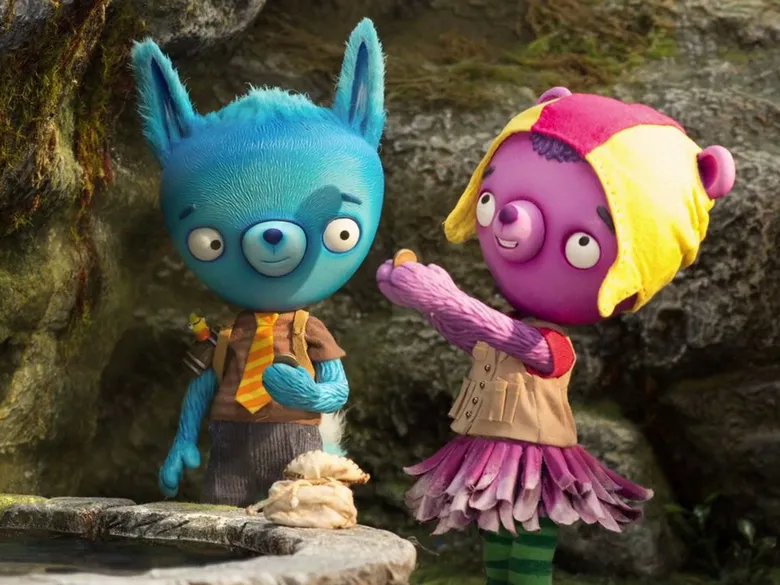
Fig, a small blue fox, finds a handful of shiny coins near his home, a wooden ship turned into a house on a sunny island. Curious about them, he sets off with his caterpillar friend, meets a group of small woodland creatures and explores the forest as day turns to night. A hermit crab with a glowing claw lights the way through the dark stretch. The episode closes back at the beach by Fig's home, with the discovery worked out.
Doug Unplugs
It's the Bot that Counts
recommended age
Unlock
co-watching from 2
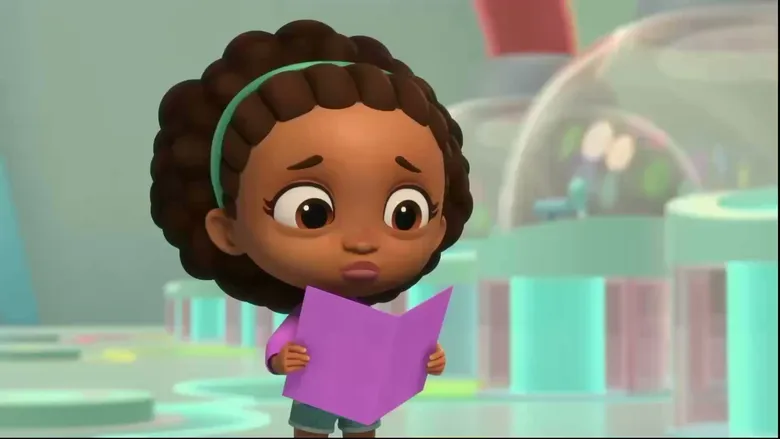
Doug, a robot boy, and his human friend Emma set out to cheer up Doug's grandmother Nana after she has to cancel her visit. Treating it like a secret-agent mission, they make a handmade card in four steps: turning old newspaper into fresh paper, writing a loving message, decorating it with a daisy and a painted starry sky, and travelling to the farm to deliver it. A goat grabs and chews the card along the way, but they bring it anyway. Nana is touched by the effort and tells them she feels loved and cared for.
Helpsters
Astronaut Amrita
recommended age
Unlock
co-watching from 3
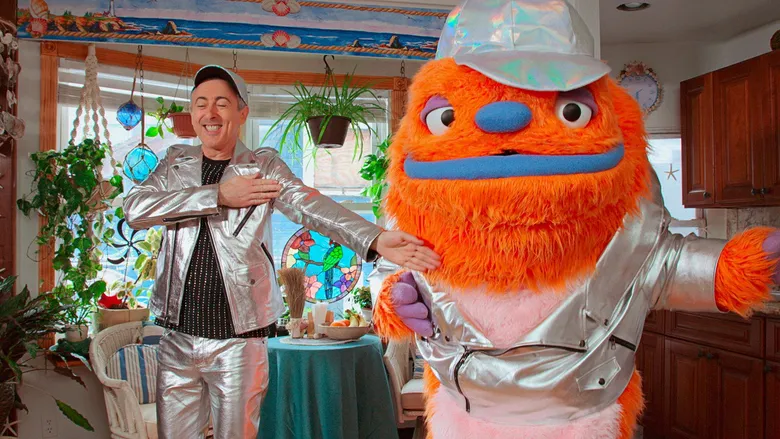
The Helpsters, a team of puppets who run a problem-solving help shop, are asked by astronaut Amrita to deliver a birthday present to her friend Pete before she launches to the moon. They make a plan with four jobs, find out that Pete lives in a red house near the park, read a map, and give step-by-step directions to reach his door. Along the way they travel through a real city and ask neighbours for help. When they arrive, Pete opens the box to find a party, and the group celebrates completing their plan.
64 Zoo Lane
The Story of Henrietta the Hairy Hippo
recommended age
Unlock
co-watching from 4
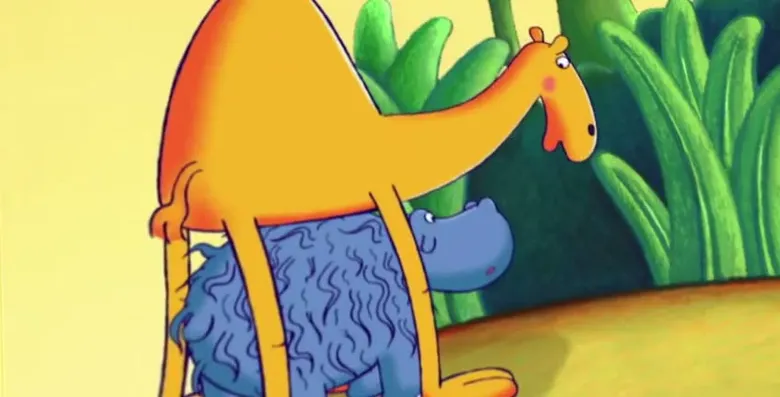
Lucy comes home from school upset that classmates teased her hair, and her animal friends gather to comfort her at bedtime. Molly the meerkat tells her the story of Henrietta, a hairy hippo mocked by her river family who sets off to find a new home. Henrietta travels through the desert with Dennis the Dromedary, escapes a giant spider in the jungle with help from monkeys, and climbs the Blue Mountain where the snip-snip bird gives her a princess hairdo. She returns to the Zambam River, shares her adventures, and the other hippos welcome her back with a big splash.
Bluey
Backpackers
recommended age
Unlock
co-watching from 2
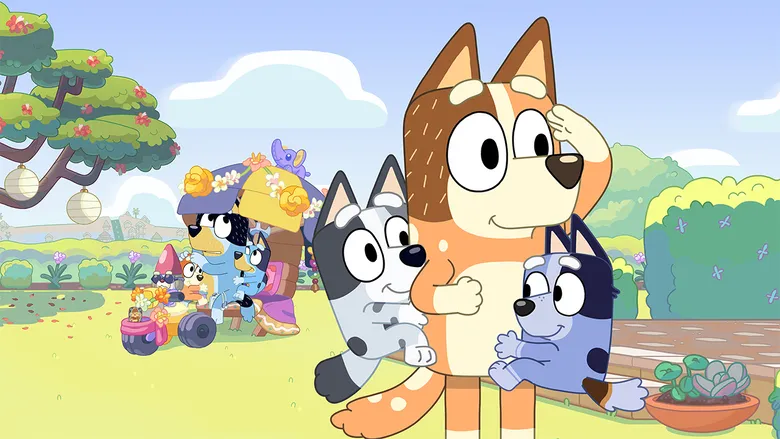
Two puppy sisters, Bluey and Bingo, turn a family visit into a game where they become backpacks and their parents carry them on a pretend backpacking holiday. Across the sunny backyard the family acts out arriving by train, buying croissants, hailing a taxi and hunting for a hotel, hitting one funny snag after another. A missing passport is found just in time when everyone empties their backpacks. The game closes with the family checking into their 'hotel' and setting off on a mountain hike.
Let's Go Luna
Speaking Wigglewalker
recommended age
Unlock
co-watching from 3
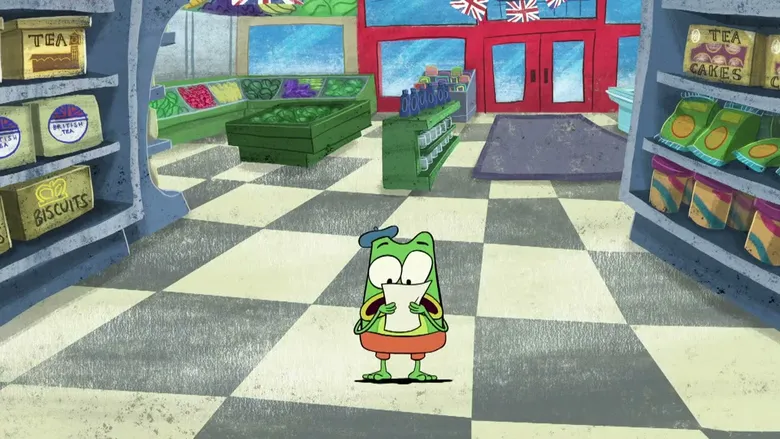
Andy, Carmen and Leo, travelling with Luna the Moon, stop in London where Andy eats a circus troupe's juggling food. To replace it before showtime, the friends ride the underground to a market and discover that British English uses different words for familiar things, summed up as 'same thing, different name.' When the performers are short a treat during the finale, Andy uses the lesson to realise candy floss is cotton candy and saves the act. The episode closes with Andy reciting the poem 'Foreign Lands' to the viewer.
Let's Go Luna
Hoopin' Hopper
recommended age
Unlock
co-watching from 3
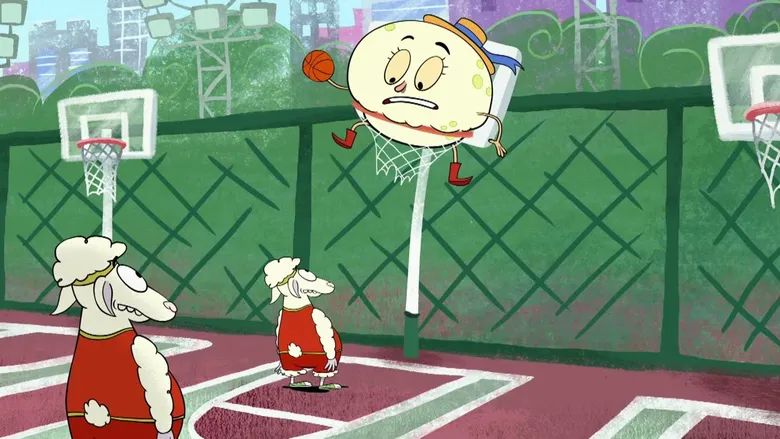
A travelling troupe led by Luna the Moon, with her young friends Andy the frog, Leo the wombat, and Carmen the butterfly, spends the episode in Beijing. They take on the city's love of sport, shooting hoops on outdoor courts and facing a table-tennis match where Luna plays an opponent named Fong. A short felt stop-motion legend set in the Chinese countryside is woven in, and the story closes with the match resolved and the friends together before the credits and a closing logo.
For 5-year-olds
Five-year-olds can follow travel as a story with purpose, where a journey solves a problem or answers a question. They are ready for more detail: local words, customs, landscapes, and the idea that people elsewhere live by different rhythms and still make sense. Look for stories that treat the places visited with genuine curiosity rather than as a backdrop, and that let the child character do some of the figuring out. At this age, a trip on screen often sparks questions about your own next one.
Molly of Denali
Grandpa's Drum
recommended age
Unlock
co-watching from 2
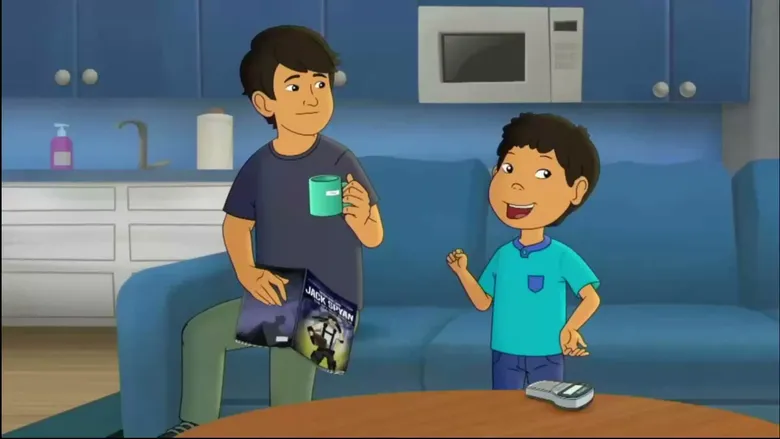
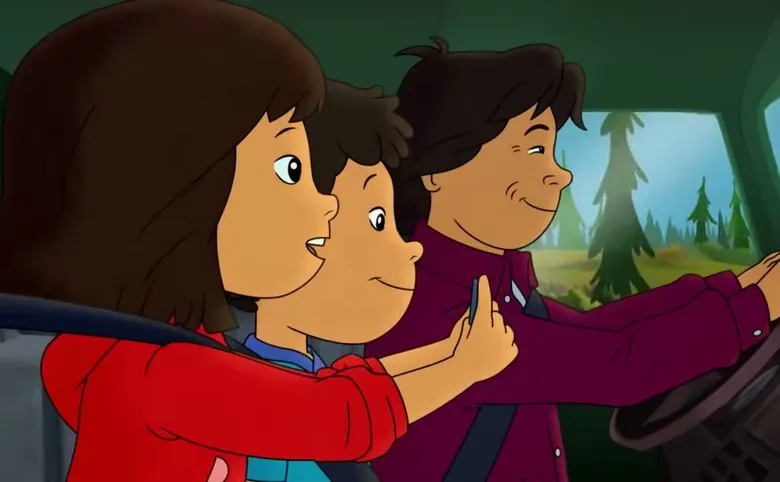
Molly finds an old photograph of her grandfather Nat as a boy, singing and drumming with a young girl, and learns that he no longer sings because he gave his drum away long ago. With her friend Tooey, she uses clues in the photo (mountains, a water tower, train tracks, and partial letters on a sign) to locate the town of Tiritchik and find the now-grown woman who still has the drum. The elder Shyahtsoo explains that at boarding school Native children were forbidden from singing their own songs, which is why Grandpa stopped. Molly returns the drum, and during the community show Grandpa rediscovers his songs and drums alongside her, followed by a live-action segment of Alaska Native children sharing their own traditions.
Molly of Denali
Sticker Shock
recommended age
Unlock
co-watching from 2
In the Alaskan village, Tui borrows his older brother's label maker and starts naming all his belongings, then labels seats at the shared picnic table so friends know where to sit. When Molly is left with nowhere to sit, the labelling causes a falling out, and the device jams and breaks. The children fix it by following the troubleshooting steps in the instruction manual, and Jay explains that shared spaces belong to everyone. The episode closes with Molly answering a viewer's question and a live-action trip where children go dog sledding.
Rosie's Rules - Rosie's Christmas in Mexico
Rosie's Christmas in Mexico
recommended age
Unlock
co-watching from 2
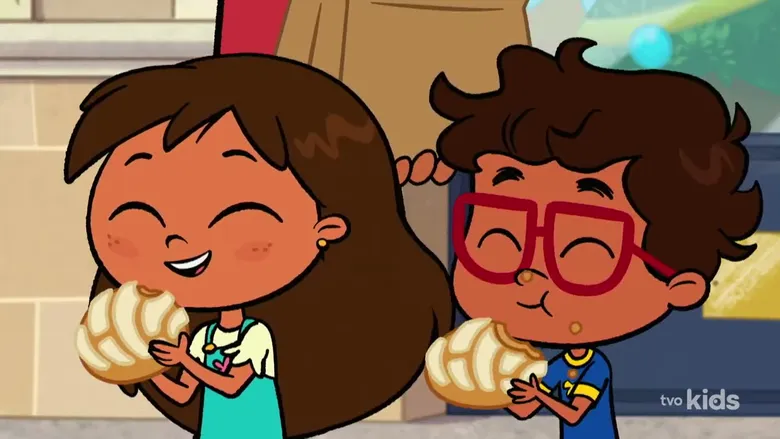
Rosie and her family leave home and travel by car and plane to Mexico to spend Christmas with relatives. Along the way Rosie explores city plazas and a cathedral, joins a posada and helps break a colorful piƱata. The family shares meals and gathers around the decorated tree, and Santa appears as part of the holiday. The story ends on Christmas morning, opening presents together.
Arthur
Muffy Misses Out
recommended age
Unlock
co-watching from 3

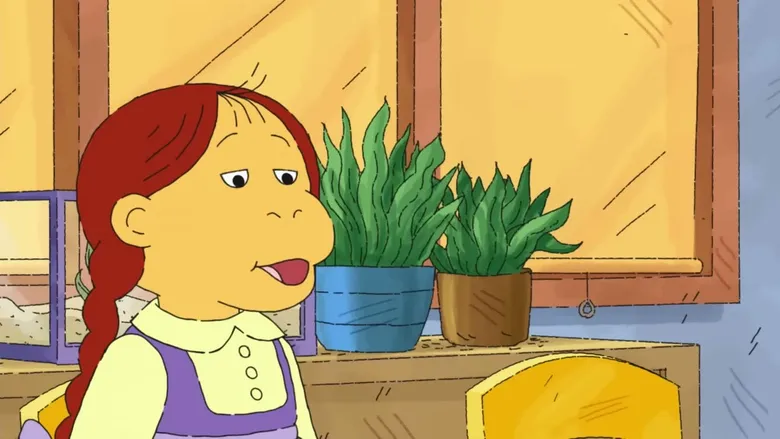
Muffy, a confident organizer at Lakewood Elementary, is thrilled to visit Italy with her father but worries about leaving her friends to run the school bake sale. While she is away, the friends swap her Italian theme for New Orleans beignets and jazz, and the sale is a hit, which leaves Muffy feeling unneeded. When her friends realize how much her ideas and presence meant, they bring her back to help settle a disagreement over decorating the stage curtain. A short closing segment has real children explain who civil rights leader John Lewis was.