
Slowscreen SlowScreen
Toggle sidebar

Just launched: free lifetime premium for the first 1,000 members to activate their account.

Start free

Theme

Winning & losing
Games, races and contests are one of the first places a child meets fairness, pride and disappointment all at once. Long before a child can follow rules, they can feel the sting of going last or the rush of being first, and they need help putting words to both. A calm, well made story about winning and losing gives that feeling a shape a child can recognise, and shows that the game, and the friendship, continues afterwards.

For 2-year-olds

At two, winning has almost no meaning yet. What matters is joining in, taking a turn, and doing the same thing again. A child this age may notice that someone finished first, but the feeling passes quickly and attaches to the moment rather than to being better or worse. Look for stories where playing together is the point, where the pace stays slow enough to follow, and where nobody is celebrated at another child's expense.

For 3-year-olds

Three-year-olds want to be first, and they say so. Rules bend to their wishes mid-game, and a lost turn can bring a sudden, whole-body upset that surprises everyone including them. This is normal, not poor sportsmanship. Look for stories where a character is openly disappointed and someone stays nearby without talking them out of it, and where play starts up again once the feeling has passed.

For 4-year-olds

Around four, children grasp that a game has rules and that rules apply to everyone, which is exactly when bending them becomes tempting. Pride runs high, and losing can feel like a judgment on who they are. Look for stories where the disappointment is named out loud, where a character owns up to changing the rules, and where adults let the outcome stand instead of arranging a win to stop the tears.

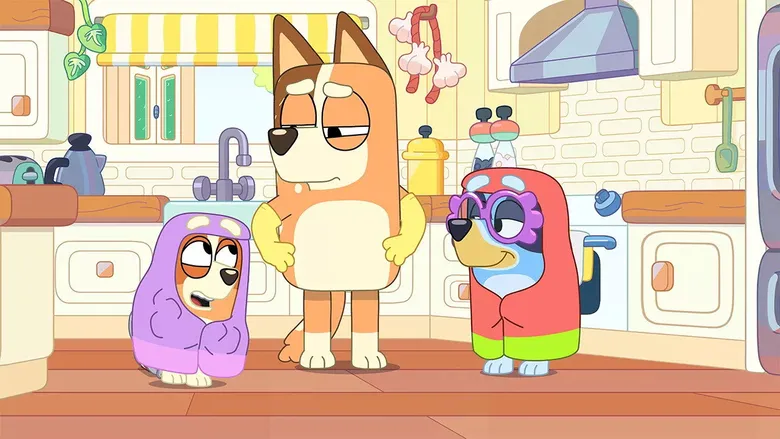
Bluey
S01 E28

Bluey

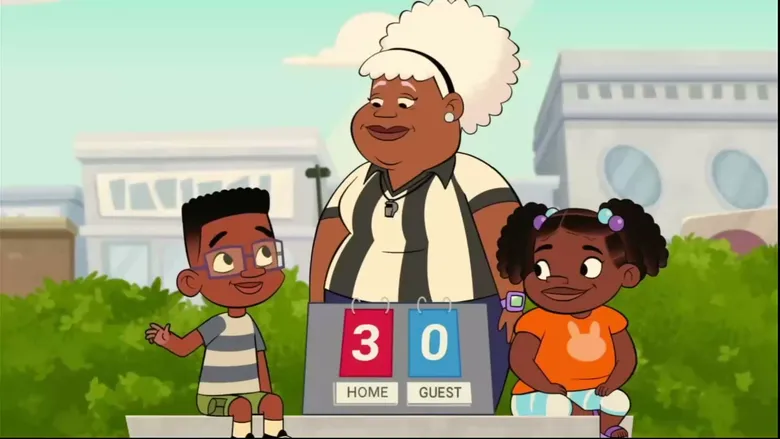
Grannies

Balanced
recommended age Unlock co-watching from 2
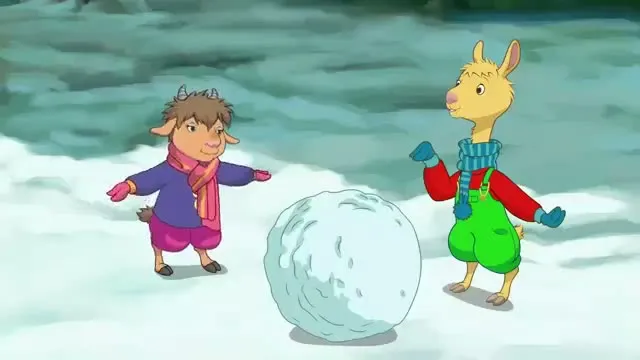
Mum asks whether Bluey wants to be right or wants Bingo to keep playing.

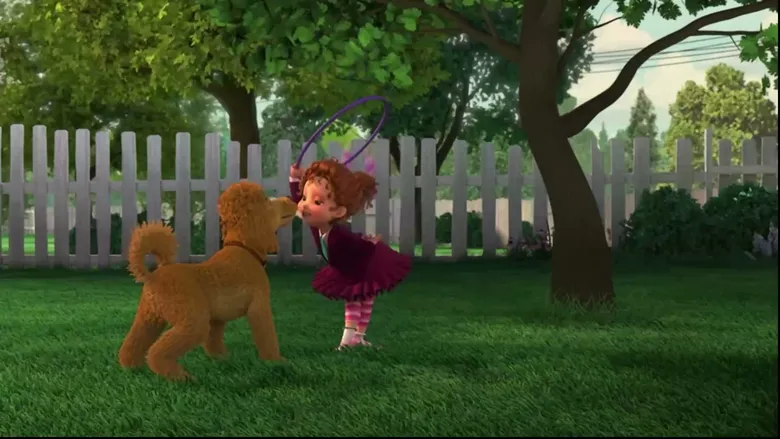
Llama Llama
S01 E11

Llama Llama

Snow Show

Balanced
recommended age Unlock co-watching from 2
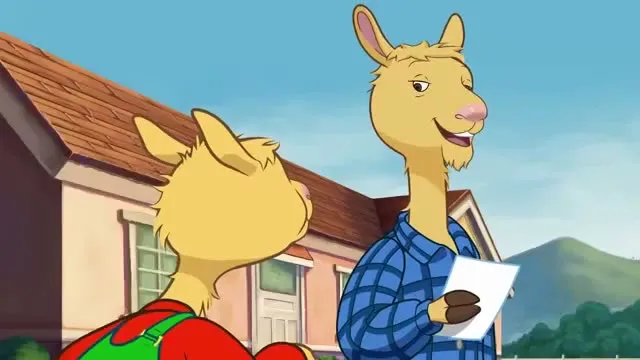
A contest requires choosing a winner, which Llama Llama reframes so everyone wins.

Llama Llama
S01 E01

Llama Llama

Zoom! Zoom! Zoom!

Balanced
recommended age Unlock co-watching from 2
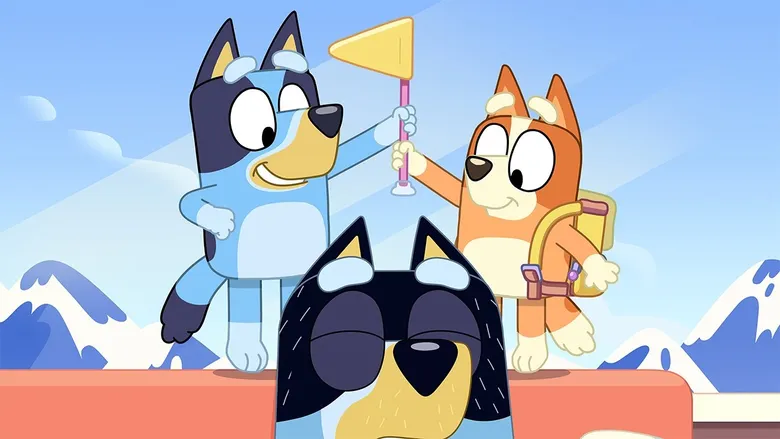
Llama does not win but learns the race was about having fun, not winning.

Bluey
S01 E44

Bluey

Mount Mumandad

Balanced
recommended age Unlock co-watching from 2
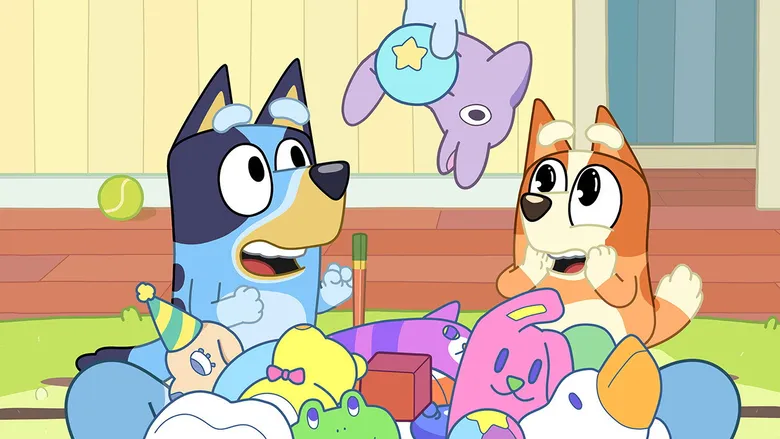
The race to plant a flag first frames the whole game.

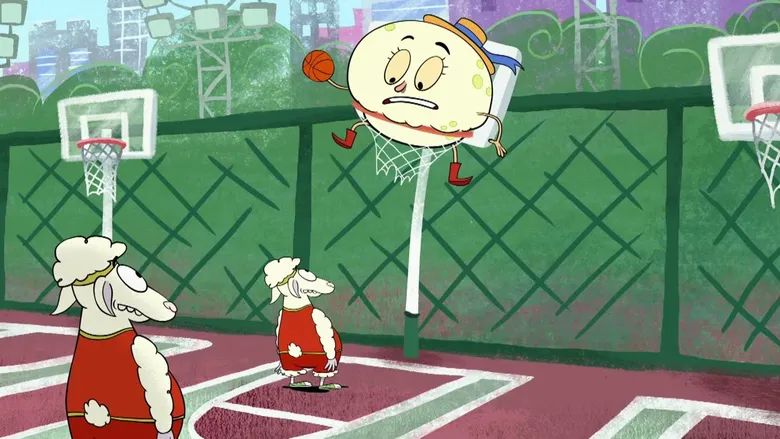
Helpsters
S01 E01 Story B

Helpsters

Robbie & Rhonda Runner

Stimulating
recommended age Unlock co-watching from 3
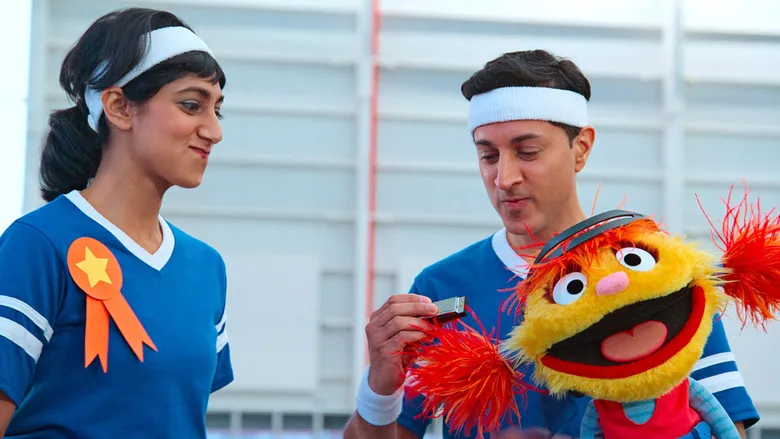
Rhonda wins the race while Robbie is praised as best at the harmonica, so both feel good.

The Berenstain Bears
S02 E14

The Berenstain Bears

Out for the Team

Balanced
recommended age Unlock co-watching from 2
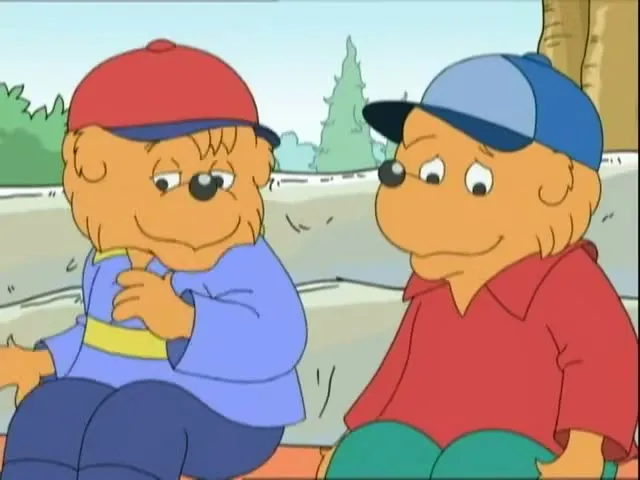
Brother fears losing the roster spot to his sister after striking out.

Doc McStuffins
S01 E04

Doc McStuffins

Run Down Race Car

Balanced
recommended age Unlock co-watching from 2
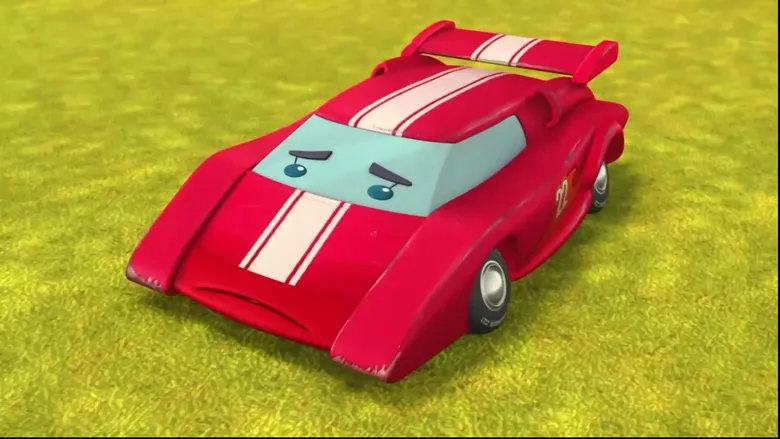
Donnie is upset by the lost race and later accepts the turtle car winning.

Bluey
S01 E19

Bluey

The Claw

Balanced
recommended age Unlock co-watching from 2
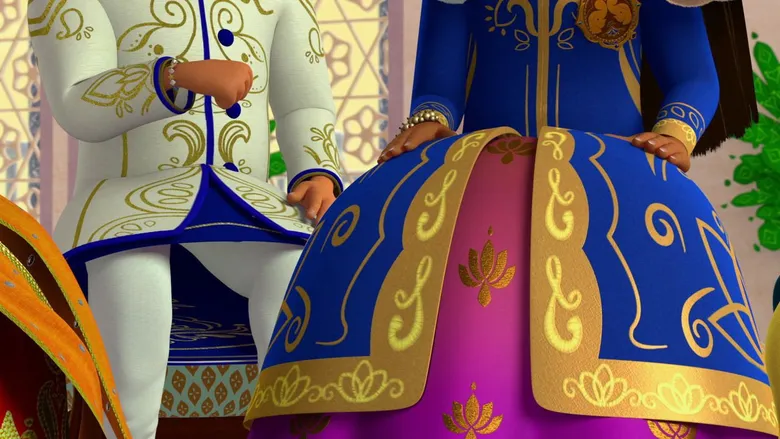
The kids react to both winning toys and losing rounds at the claw.

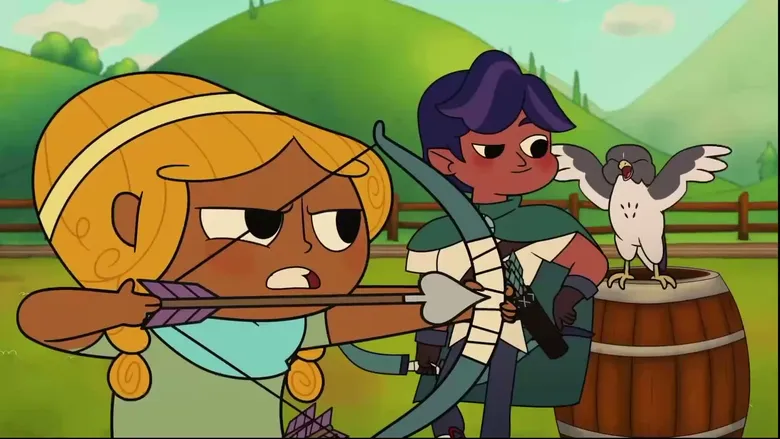
Mira, Royal Detective
S01 E14

Mira, Royal Detective

Mystery at the Cooking Contest

Balanced
recommended age Unlock co-watching from 2
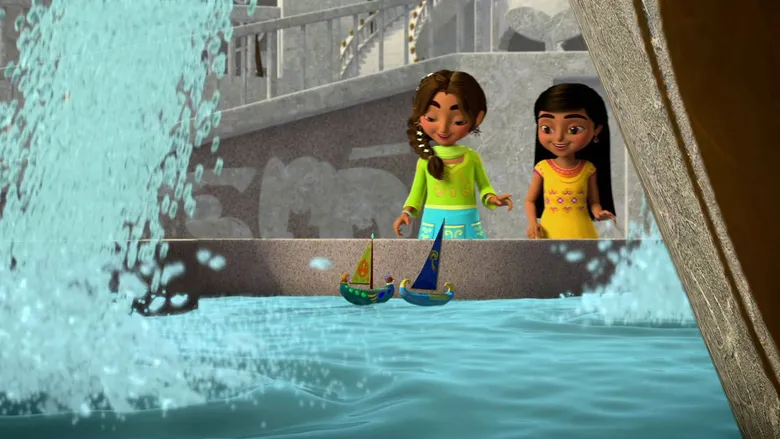
One chef is awarded the golden spoon at the end.

Mira, Royal Detective
S01 E05

Mira, Royal Detective

The Case of the Dance Off Disaster

Balanced
recommended age Unlock co-watching from 2
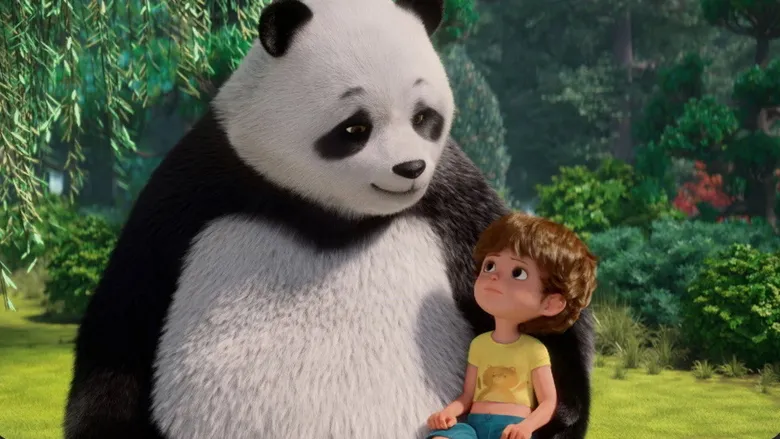
Teams cope with losing and a shared honest win in the final dance-off.

For 5-year-olds

Five-year-olds compare themselves with the children around them and notice who is faster, better, chosen first. That comparison can make them avoid anything they might not be good at. Stories help most here when they show practice paying off over time, when a character manages to congratulate the winner while still feeling sore about it, and when trying something difficult is treated as worth doing on its own.

For 6-year-olds

By six, children play with teams, tactics and long arguments about what is fair. Winning starts to feel tied to worth, and a loss can carry into the rest of the day. Look for stories with room for nuance: winning without rubbing it in, staying friends after a defeat, sharing credit with the rest of the team. Small acts of generosity between opponents land clearly at this age.

Just launched: free lifetime premium for the first 1,000 members to activate their account.

Create your account

Search by title, show, tag, or topic

We use functional cookies and Google Analytics to improve our site. Learn more