


















This program is stimulating. It actively demands attention and can feel intense. For the recommended age, this may be on the more intense side.
The pacing is fast. Images follow each other quickly, leaving little time to pause and take in what is happening.
The sound is soft and supportive.
The visuals are calm and well-organized.
The episode splits into two distinct delivery stories, which keeps each individual thread followable with a clear beginning, middle, and end. Inside each segment the narrative builds sequentially: a baby is assigned, complications appear, and a resolution lands. New information arrives at a manageable rate for a preschool viewer, and actions produce predictable consequences (a fussy baby gets soothed, a misplaced cargo gets retrieved). The multi-segment format slightly reduces the focus a single continuous arc would offer.
The interactions are consistently warm: Pip and Freddy speak gently to the babies, support each other, and respond with care to the families they meet. Worry moments (a scared baby, a delivery mishap) are short and recover inside the same scene with explicit reassurance. Emotional transitions are smooth, with the brightest peaks tied to songs and reunions rather than fear. The supervising stork-pilot and adult animals stay supportive throughout, modelling kind authority.
Pip and Freddy work through each delivery by naming the problem, trying something, adjusting, and arriving at a solution, which gives a visible reasoning chain for preschoolers to follow. Their motivation is partly external (they are on the job for the service), but they regularly take initiative to handle surprises along the way. Solutions usually involve two or three concrete steps rather than an instant fix, and cause-and-effect logic is consistently visible. The reliance on fantasy tools (flying, magical baby cargo) limits how far the reasoning maps onto a child's own world.
Dialogue is clearly enunciated, with short to medium sentences, concrete vocabulary, and stable use of words like 'baby', 'family', 'delivery', and the characters' names. Speech leads the audio mix with no muddled lines, and the babies' coos function as recognisable emotional cues rather than filler noise. Language carries real meaning most of the time, with informative exchanges about each baby's needs balanced against expressive 'awws' and song lyrics. Grammar fits a four-year-old comfortably and supports the storyline rather than competing with it.
The pillar scores in the mixed band because the underlying themes (nurturing babies, family belonging, recognising needs) are recognisable, but the world around them is heavily fantastical: flying delivery birds, a tropical transport hub, talking baby animals in pilot scarves. Practical actions like feeding, soothing, and dressing a baby do appear, yet they are wrapped in pretend scenarios that don't transfer cleanly to a child's daily life. Social dynamics between caregivers, families, and supervisors are warm and recognisable, which is the strongest real-world hook. The fantasy framing is internally coherent and acceptable at this age, but it caps how directly applicable the content feels.
More information
This score shows how inclusively the series portrays diverse people, families and cultures. Scale: Limited → Varied → Rich → Inclusive.
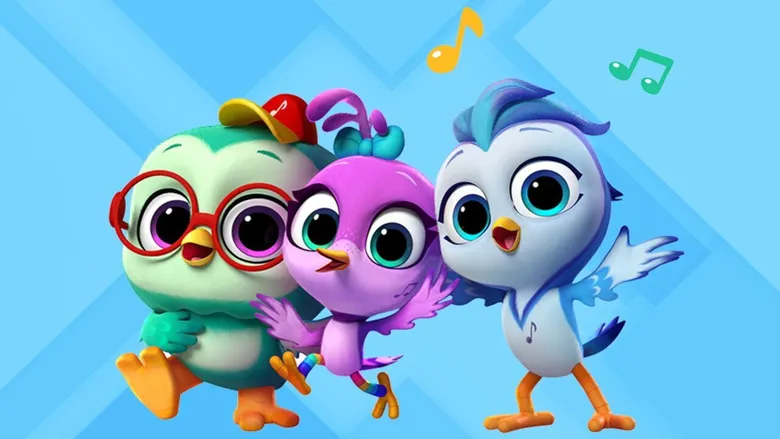
T.O.T.S. presents an all-animal world with a wide variety of bird and mammal species in the cast. Because there are no human characters, visible markers of ethnic, cultural or socio-economic diversity do not appear, but the show does picture many different animal 'families' and home settings as babies are delivered to their parents. Role distribution is one of the show's stronger points: the two male leads, a penguin and a flamingo, are shown as warm and nurturing caregivers, while female characters take leadership and active delivery roles alongside them. The result is a programme that is limited on visible human diversity but breaks several traditional gender patterns around care and competence.
This score shows whether the series stays close to everyday reality or leans into fantasy. Scale: Fantasy → Mixed reality → Realistic.
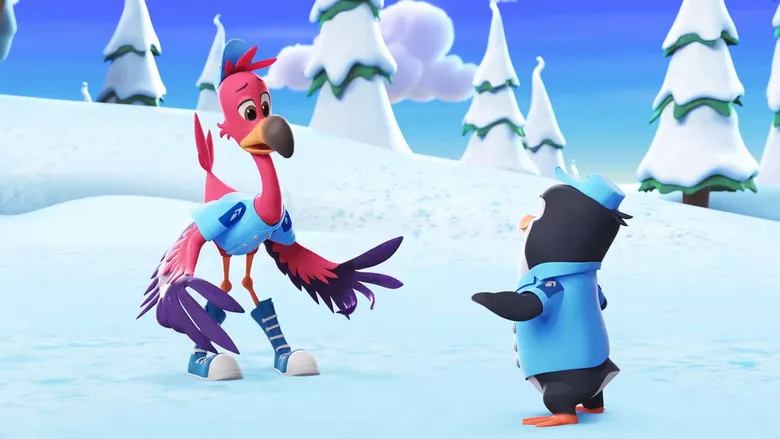
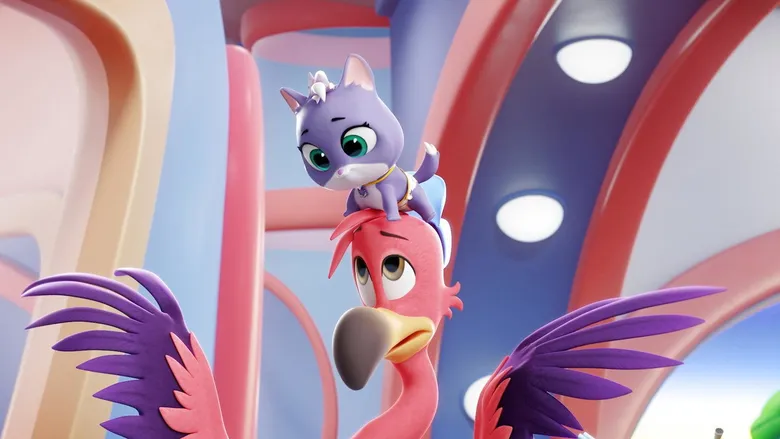
T.O.T.S. takes place in an animal-only world where a flamingo and penguin work at a baby delivery service, so the realism level is low by design. There is no villain in this episode; conflicts come from delivery challenges and caring for the babies rather than from an antagonist. The fantasy world follows its own clear rules, and the mix of imagination and emotional warmth fits a four-year-old viewer well.
This score shows how enjoyable the series is for parents watching along. Scale: Tedious → Tolerable → Pleasant → Enjoyable.
T.O.T.S. is a polished Disney Junior production aimed squarely at preschoolers, with little crossover appeal for adult co-viewers. The delivery-mission formula offers a light emotional arc but stays predictable, and the candy-bright palette plus chirpy voice cast can wear on adult ears over time. Craft is solid, but the parental fun ceiling is low: a co-viewing adult mostly tolerates rather than enjoys.
Themes
Caregiving
Central
Pip and Freddy comfort, feed, and watch over the babies during transport scenes throughout the episode.
Work
Central
The story is built around their job at the Tiny Ones Transport Service, with assignments, deliveries, and a supervisor.
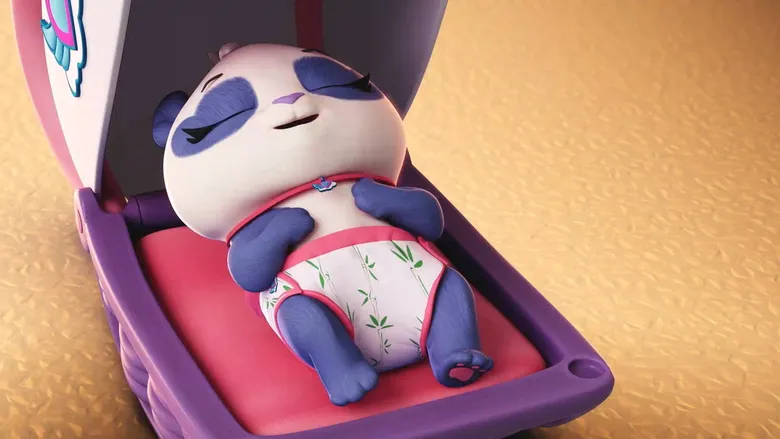
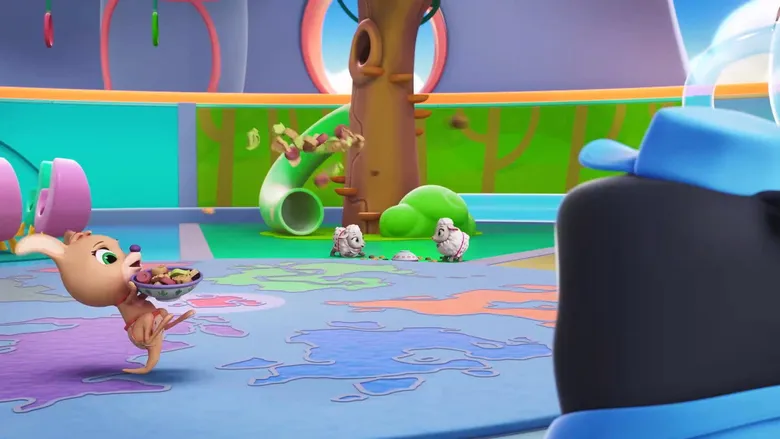
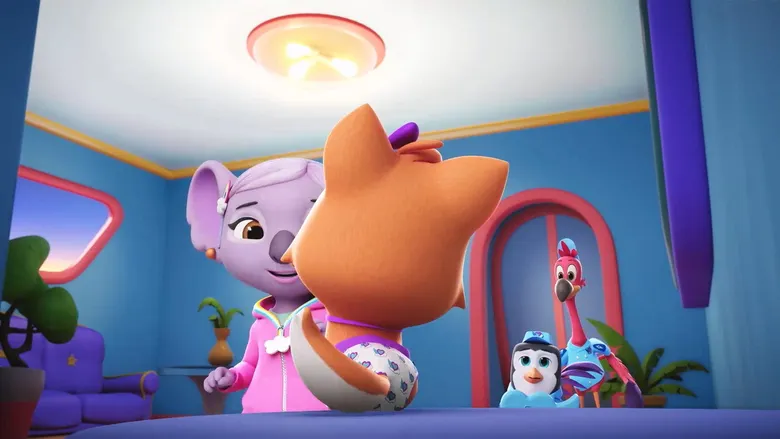
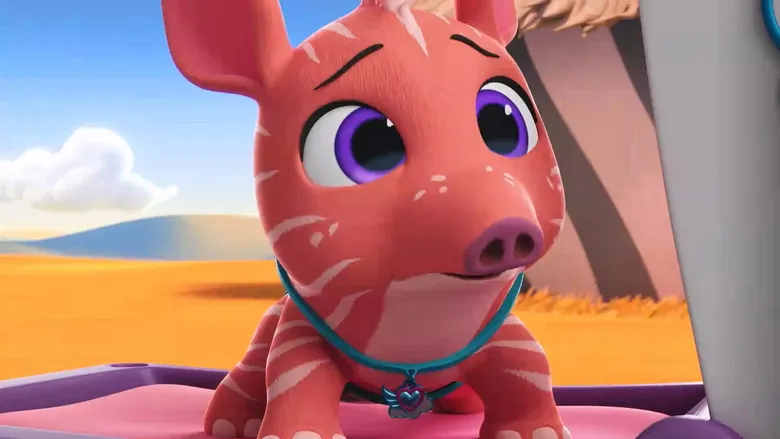
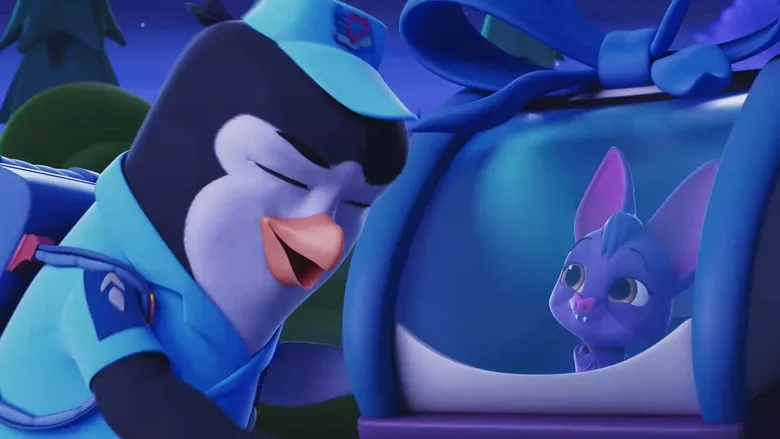
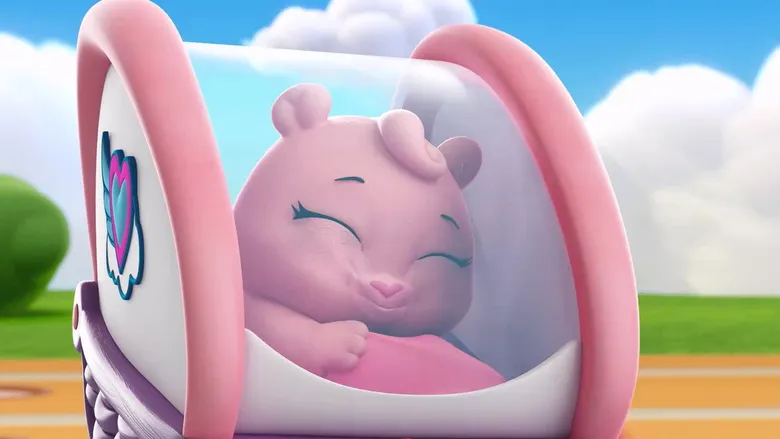
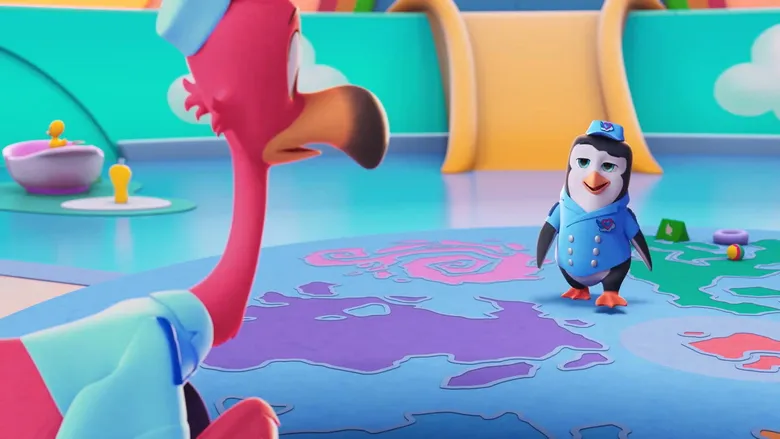
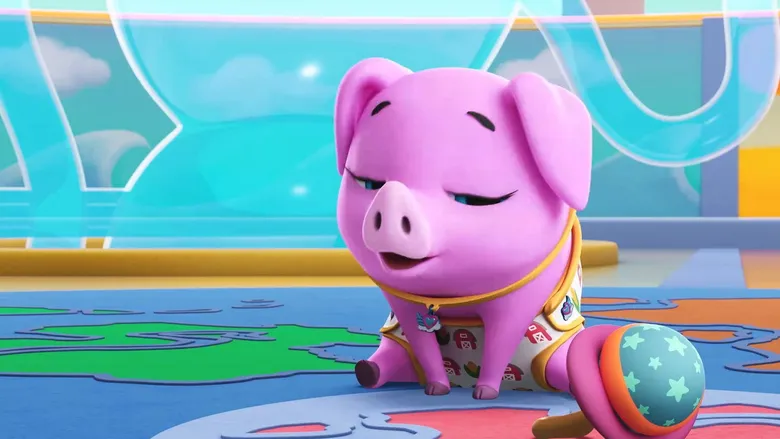
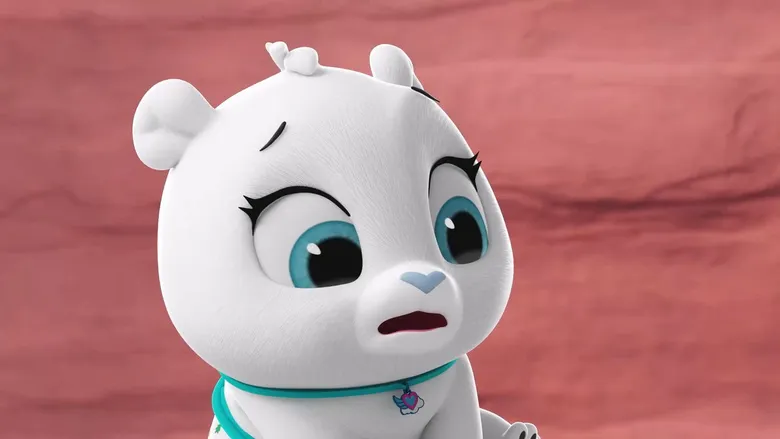
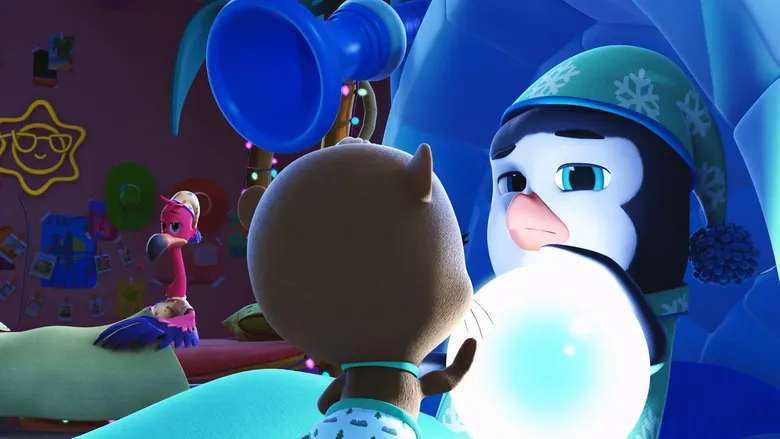
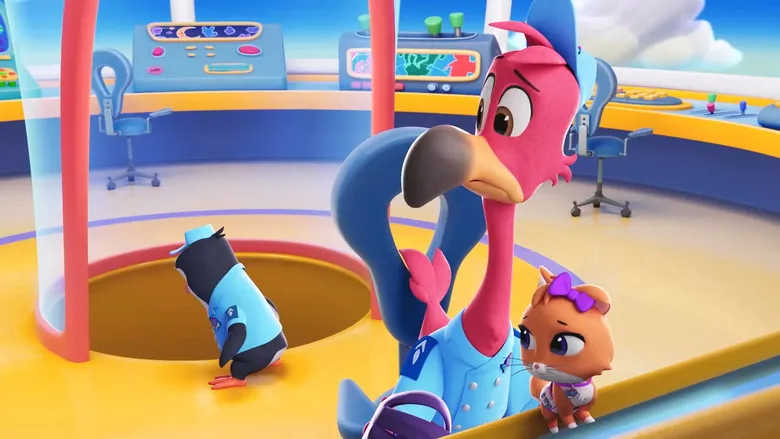
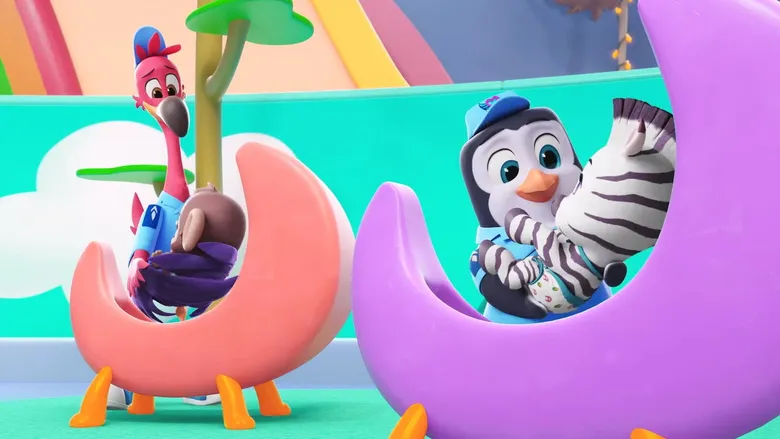
Pip the penguin and Freddy the flamingo, pilots for the Tiny Ones Transport Service, take on two delivery assignments in this episode. In the first segment they bring a baby through a colourful tropical hub with their stork-pilot supervisor, while the second moves to a farm setting where a cowboy bull helps them deliver more baby animals. Each segment follows the pair through complications during the trip and the reunion at the destination. Both stories close with the babies safely handed off to their families.