



















This program is stimulating. It actively demands attention and can feel intense. For the recommended age, this may be on the more intense side.
The pacing is fast. Images follow each other quickly, leaving little time to pause and take in what is happening.
The sound is clearly present and regularly draws attention.
The visuals are calm and well-organized.
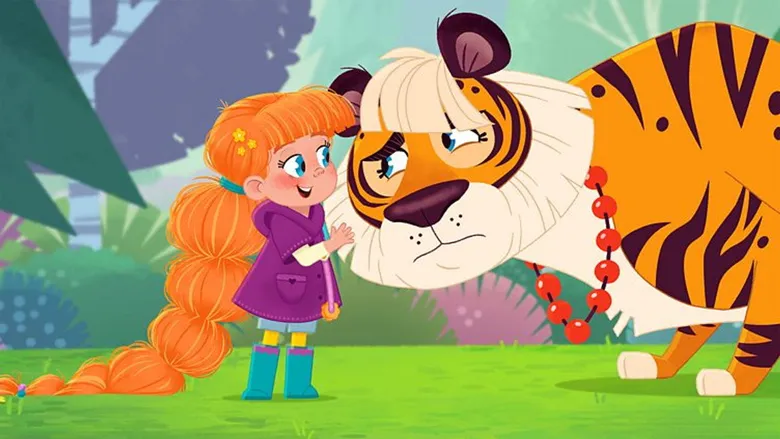
The episode follows one clear thread, Koa the tiger has a sore tooth and visits Vida the vet to find out why, with a recognisable beginning, middle, and end. Events connect in plain cause and effect a child can follow, Koa eats a big pile of sweets and soon his teeth hurt even more. The small caveat is that a second patient, Tidbit the turtle, has his checkup woven through the same stretch, and the back and forth between the two visits asks a young child to hold two things at once. New ideas like bacteria and a turtle's webbed feet also arrive often enough that a few scenes carry a little more than this age fully digests.
The emotional tone is warm and steady. Vida greets every patient with reassurance, telling Koa 'don't worry, I can make your tooth feel better,' characters ask for and give hugs, and a friend stays to keep Koa company while he waits. Feelings stay gentle, Koa's tooth discomfort and his candy excitement are the strongest moments, and nothing turns frightening. The toothache that drives the story is fully resolved by the end, with Koa saying his teeth feel 'so much better,' though that relief lands at the climax rather than soon after each worried moment.
A child watches a real problem get worked through step by step, Vida looks in Koa's mouth with a headlamp and mirror, rules out a cavity, names the cause that too much sugar feeds bacteria, and gives a concrete fix of eating less sugar and brushing after sweets. The reasoning is spelled out, so the link between cause and solution is easy to follow. What holds this pillar back is that the thinking is almost entirely the adult expert's, the animal characters mostly bring their wishes and questions and then receive the answer, rather than trying, failing, and adjusting themselves. Koa does take initiative in seeking a snack, but his own attempt at solving 'I'm hungry' is simply to pile on sweets.
The dialogue is clear and purposeful, built from short complete sentences that suit a young listener, and words are used consistently and correctly. Language does real work here, Vida explains where tooth pain comes from and what to do about it, and the song repeats the message in a way that reinforces rather than pads it. A few terms reach above this age, 'diagnosis,' 'bacteria,' and 'cavity,' but each is unpacked in plain words right after, as when Vida says 'sugar is like a magnet for bad bacteria.' On balance the talk is informative and well formed, with only that vocabulary stretch as a minor caveat.
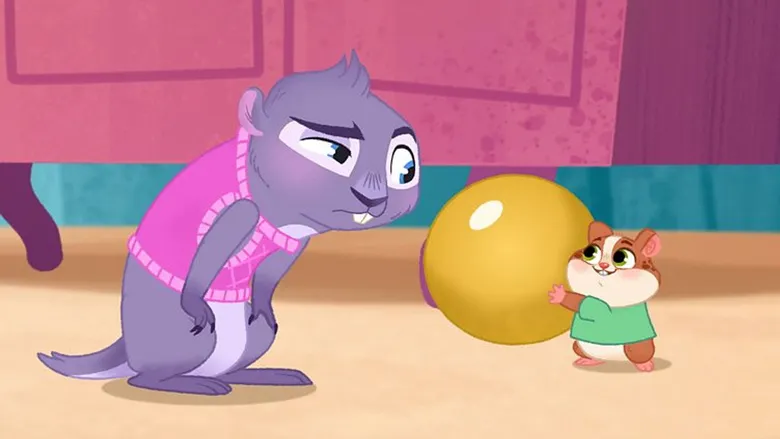
The lesson connects straight to a child's own life, brushing teeth, choosing vegetables over sweets, and visiting someone who checks that you are healthy are all things a young child can recognise and copy. Social moments ring true as well, saying please and thank you, a friend waiting with you, and going home to a parent at the end. The clear limit for this pillar at this age is that everything happens in a make-believe world of talking tigers, turtles, and an opera-singing hamster running a clinic, so the realistic grounding sits inside a fantasy frame. The health habits still transfer cleanly, which keeps the practical value meaningful even though the setting is invented.
More information
This score shows how inclusively the series portrays diverse people, families and cultures. Scale: Limited → Varied → Rich → Inclusive.
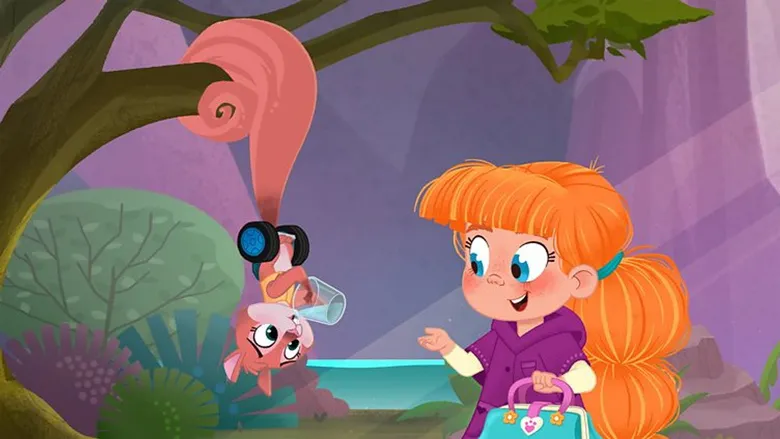
Vida the Vet follows a human veterinarian and her hamster helper Popcorn as they care for a village of talking animals, here a tiger named Koa with a sore tooth. The show offers a friendly spread of species and ages and keeps a girl in the lead expert role, which is a clear strength against the usual patterns. What it does not show is much human variety, since only one person appears on screen and family and cultural backgrounds are barely sketched. Roles are shared fairly and feelings are open to every character, with only light traditional touches such as a nurturing Mama Mouse tending her garden.
This score shows whether the series stays close to everyday reality or leans into fantasy. Scale: Fantasy → Mixed reality → Realistic.
Vida the Vet builds its world from situations a young child already knows: a clinic visit, a sore tooth, and the link between sugary treats and dental pain. The only imaginative layer is that every character is a talking animal, a convention the show holds to consistently, so nothing feels random or hard to follow. There is no villain anywhere in the episode; the problem Koa the tiger faces comes from eating too many sweets, and it is solved with a friendly checkup and a clear lesson about brushing. For a child of around three, this mostly real world with a light touch of animal make-believe is a comfortable match.
This score shows how enjoyable the series is for parents watching along. Scale: Tedious → Tolerable → Pleasant → Enjoyable.
This show is built squarely for young children, and an adult in the room gets a clean, professional production to watch without much written for them. The story of Koa the tiger eating too many sweets and worsening his toothache follows a clear cause and effect, but a long end trivia recap and heavily repeated song refrains pad the runtime. The bright palette and looping chorus are noticeable without being painful. The animation and art are the strongest part, polished and consistent throughout.
Themes
Dental health
Central
Vida diagnoses Koa's sore tooth and teaches him to brush after eating sugar.
Healthy eating
Recurring
Vida explains that too many sugary sweets feed bacteria and recommends vegetables from Mama Mouse's garden.
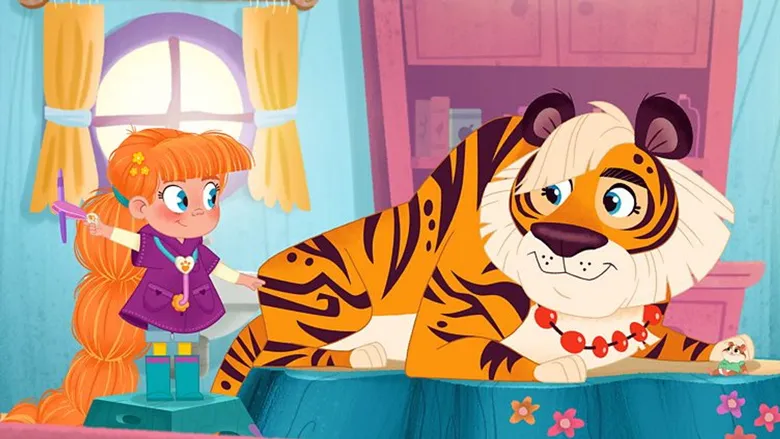
Vida, a young vet, runs a clinic in the woodland town of Sweetwood with her hamster Popcorn. When Koa the tiger arrives with a sore tooth, he fills up on sweets from friends while he waits, and his tooth ends up hurting even more. Vida examines him, explains that too much sugar feeds bacteria, and shows him to eat less sugar and brush after treats, after which Koa feels better and heads home. The episode closes with a short trivia quiz about what happened and a note to watch more episodes online.