



















This program is stimulating. It actively demands attention and can feel intense. For the recommended age, this may be on the more intense side.
The pacing is fast. Images follow each other quickly, leaving little time to pause and take in what is happening.
The sound is clearly present and regularly draws attention.
The visuals are calm and well-organized.
A single thread runs from start to finish: Zou discovers the day's letters, visits the post office, and decides to become a postman himself. Events follow each other in clear order, with each new scene tied to the previous one through cause and effect, such as Zou forgetting to write names on parcels and then being taught to label them. The amount of new information per scene stays small enough for a three-year-old to follow.
Interactions across the zebra family are warm and supportive, with parents, grandparents, and Nana responding to Zou with patience and encouragement. Mild disappointment, such as Zou not getting his own letter, is soothed in the same scene by a kind adult response. Emotional shifts happen gradually, and the closing surprise letter to 'the best postman ever' rounds the episode off with clear positive resolution.
Zou drives the activity himself, announcing 'I'm going to set up my own post office' after watching Postmaster Zoey work. When his first delivery round fails because the parcels are unlabelled, Grandpa walks him through a concrete fix: write names on every parcel and use a post box. The reasoning is visible at each step, and Zou closes the loop by completing a correct second round of deliveries.
Most lines are short, clear sentences using concrete words a three-year-old can picture: letter, parcel, post box, envelope, stamp. A few longer constructions and the title 'postmaster' may stretch the youngest viewers, but the meaning is supported by what is happening on screen. Words are used consistently across scenes, so repeated terms like 'special delivery' and 'postman' build familiar vocabulary through use rather than drill.
The episode centres on a recognisable real-world activity: writing on envelopes, putting them in a post box, sorting parcels, and handing them to the right person. Family scenes mirror everyday life, with a child learning a job by trying, failing, and asking an adult for help. The zebra-only world is a light fantasy frame that holds the realism score back at this age, but the actions themselves are easy for a child to copy with a toy bag and paper letters at home.
More information
This score shows how inclusively the series portrays diverse people, families and cultures. Scale: Limited → Varied → Rich → Inclusive.
The world of Zou is intentionally homogeneous: a town inhabited only by zebras, with one extended family at the center across multiple generations. There is no ethnic or cultural variation, no visible disability, and only one family form on screen, though grandparents and a great-grandmother (Nana) add generational breadth. Role patterns lean traditional, with the mother and grandmother handling domestic tasks and the male zebras filling the public-facing postman and postmaster roles. Zou himself is curious, makes mistakes and learns, which broadens the picture of how a young character may behave.
This score shows whether the series stays close to everyday reality or leans into fantasy. Scale: Fantasy → Mixed reality → Realistic.
Zou is grounded in recognisable everyday life: a child goes to the post office with mum, then sets up a pretend post office at home and delivers parcels to grandma, grandpa, Nana and dad. The only imagined element is that all the characters are zebras, but they live and behave like an ordinary family. There is no villain or hero-versus-evil framing; the small bumps in the story come from a misdelivered letter and Zou forgetting to label his parcels. The realism and gentle pretend play sit right in the comfort zone for a young preschool child.
This score shows how enjoyable the series is for parents watching along. Scale: Tedious → Tolerable → Pleasant → Enjoyable.
This Zou episode works well as calm background viewing for adults thanks to its gentle voices, soft music, and unhurried pace. The story has a clear arc with a small problem and resolution, which is more engaging than pure formula repetition, but the humor and references are pitched entirely at young children. Production craft is solid and consistent without being distinctive. Overall this sits in the comfortable middle for parental fun: easy to sit through, hard to be captivated by.
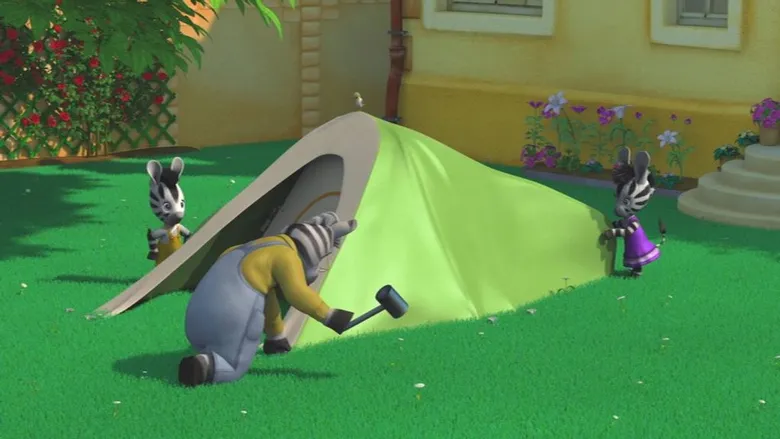
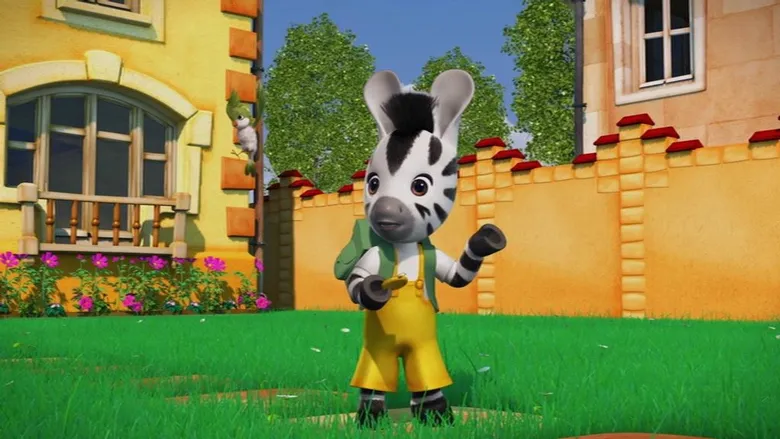
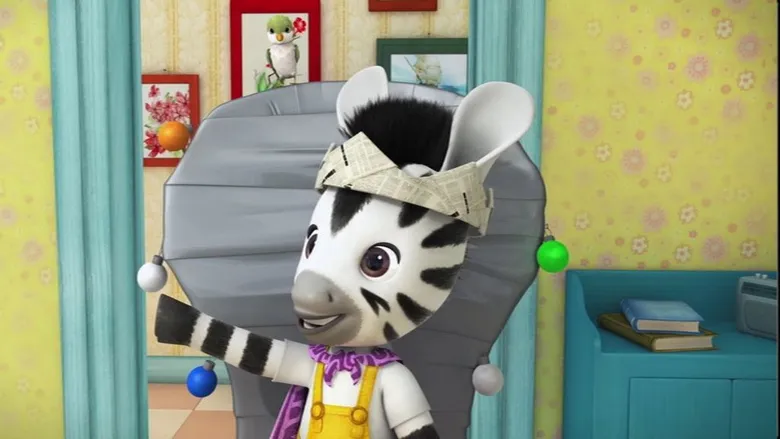
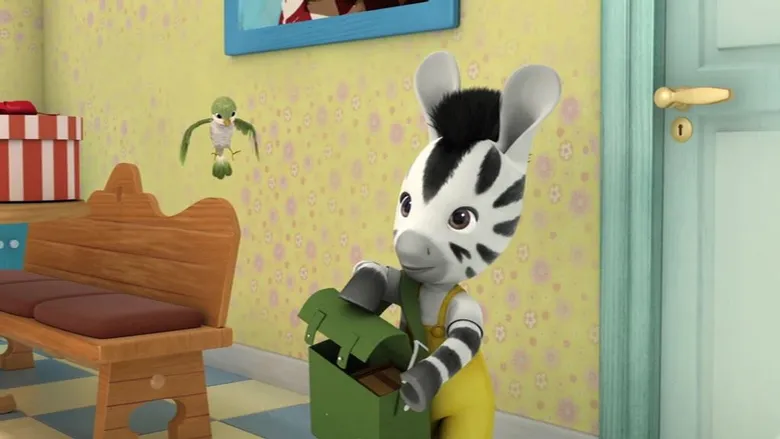
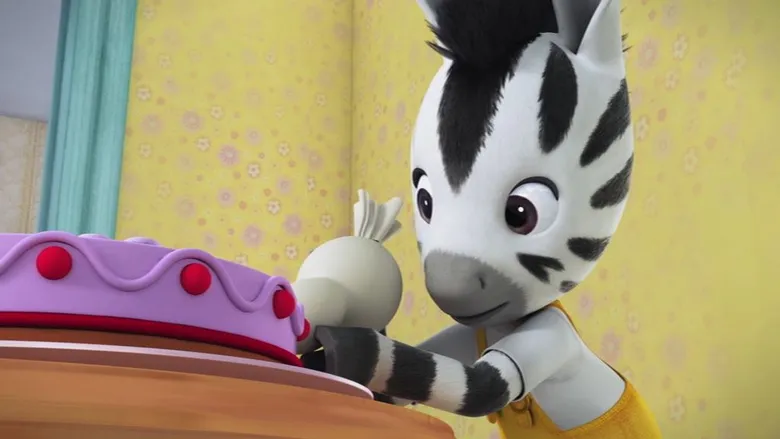
Zou, a young zebra, is bored until the postman brings letters for everyone except him, plus one delivered by mistake. His mum takes him to the post office where Postmaster Zoey shows him how mail is sent, inspiring Zou to set up his own post office at home. After a confused first round with unlabelled parcels, Grandpa helps him introduce a post box and name labels, and Zou successfully delivers every parcel and receives a thank-you letter from the family.