


















This program is well-balanced. It remains mostly easy to follow and process. It is a good fit for the recommended age.
The pacing is moderate. The story remains easy for a child to follow.
The sound is soft and supportive.
The visuals are calm and well-organized.
The episode follows one clear question from start to finish: Diggs has a new attachment and nobody knows what it does. Events build in order, from showing it off, to asking Carl and Lug, to the all-night attempts, to the job where its purpose finally shows, so a child can see how one thing leads to the next. Actions carry sensible consequences, such as Lug recalling how the wrong tool once made other machines topple over backwards. The small caveat is that the witty, layered dialogue carries more ideas at once than a three-year-old will fully take in.
The feelings stay gentle throughout. Diggs is embarrassed about not knowing and worried about letting Bozer down, but the worry never tips into anything frightening, and his friends rally round with real warmth, staying up to help him. When tension rises it settles again soon after, and the ending brings relief and a round of applause. The one note is the light teasing between the machines, the odd sarcastic jab, though it stays affectionate rather than mean.
Diggs and his friends throw themselves at the problem, trying the attachment side to side, throwing it back, lifting it up and swinging it in a circle, checking each time whether it worked. That visible effort, plus asking the machines who might know, gives a child a real model of not giving up. The honest limitation is that the answer arrives by accident on the job rather than through their reasoning, so the satisfying click of working it out is missing. Diggs does take the initiative to find out, even though the push to use the tool comes from his boss.
The voices are clear and the made-up tool names, jibber, dipper and holer, are used consistently and explained by the end, so the words hold together. The catch for this age is that the writing is pitched well above a three-year-old: quick idioms like 'before you could say HDV', jokes about combine harvesters and a steady stream of clever asides. Sentences are complete and well formed, but much of the humour and vocabulary will pass a young preschooler by. A good share of the talk does real work, describing, instructing and explaining, alongside the playful banter.
The work on screen is grounded in a recognisable construction site, with a hole dug, filled with concrete and a post dropped in, and the social side rings true: showing off, feeling embarrassed, asking friends for help and owning up to a mistake. The clear takeaway, keep your instructions so you know how things work, is something a child can carry into real life. What limits the everyday value is that the cast are talking machines doing machine jobs, so little of the actual doing transfers to a young child's own play with real objects. The lesson lands, but it sits inside a fantasy world rather than tasks a three-year-old can copy.
More information
This score shows how inclusively the series portrays diverse people, families and cultures. Scale: Limited → Varied → Rich → Inclusive.
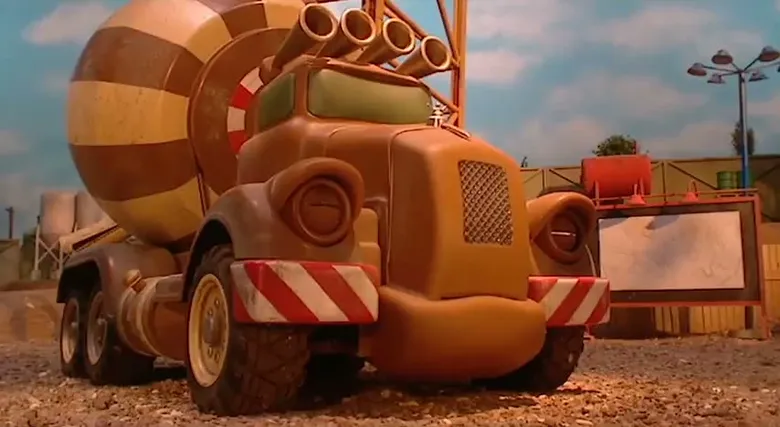
This is a world of talking construction vehicles set on one building site, so it offers little of the human variety, different cultures, family forms, ages or bodies, that broader representation would show. The machines are mostly coded male through their voices and names, with Carrie and Maxine the two exceptions, and the central parts of boss, hero and expert all belong to male characters. The female machines do real work, Maxine pours the concrete and Carrie quickly sees through Diggs' bluffing, but both stay at the edges of a story built around the male cast. There is some warmth in watching Diggs admit he is stuck and ask his friends for help, yet the overall picture stays narrow and male-led.
This score shows whether the series stays close to everyday reality or leans into fantasy. Scale: Fantasy → Mixed reality → Realistic.
This episode tells a character-driven story on a busy construction site where talking machines work and build together. There is no villain at all; the only tension comes from Diggs feeling too proud to admit he does not know what his new attachment is or how to use it, and his friends help him work it out. The talking-machine world stays consistent and the building tasks themselves are real, which keeps the imagination tied to things children can recognize. The main caveat is that the entire cast is invented machines rather than the mostly-realistic mix the youngest in this range lean toward, and the chatty back-and-forth runs a little long.
This score shows how enjoyable the series is for parents watching along. Scale: Tedious → Tolerable → Pleasant → Enjoyable.
This holds up well for a parent in the room. The construction vehicles trade genuinely witty banter, the running joke about an attachment 'going really well with your headlights' lands for adults, and the story of Diggs hiding that he cannot use his new tool carries a clear arc with a real payoff. The warm, dusty palette and characterful voices make for easy background company, and the craft stays consistent throughout. The only mild caveat is that the humour stays gentle rather than packed with references.
Themes
Construction
Central
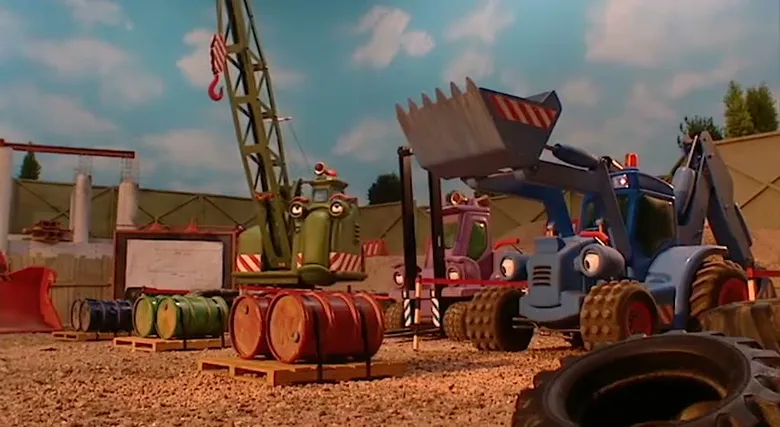
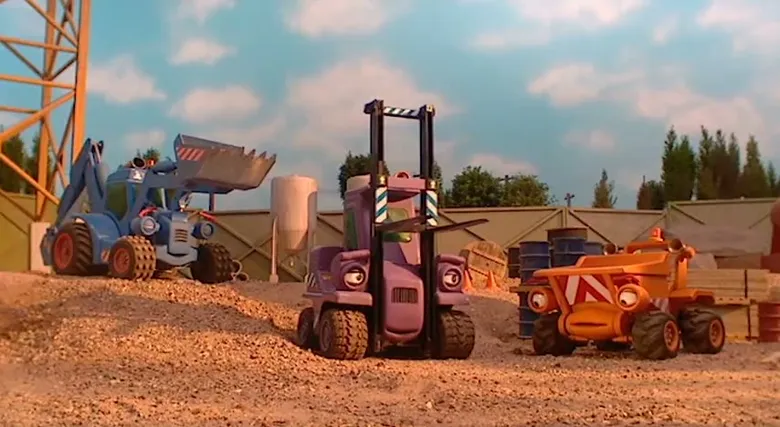
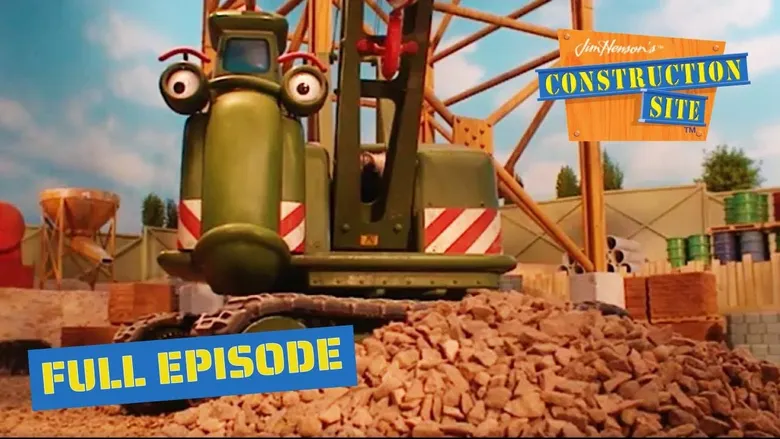
The episode is set on a construction site where machines dig a hole, fill it with concrete and drop in a post
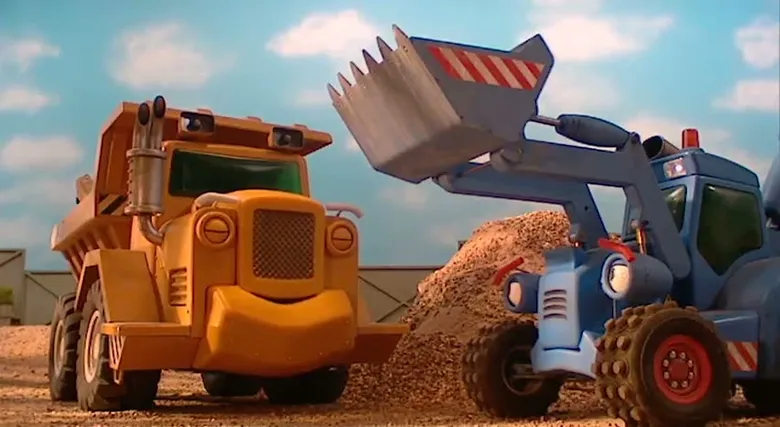
Diggs, a blue backhoe, proudly shows off a shiny new attachment but realises he has no idea what it does or what it is called, having thrown the instructions away. When his foreman Bozer says it is needed for an important job, Diggs asks his friends Carl and Lug, who guess wrong, then spends the night trying every move he can think of. On the job he discovers by chance that it is a holer, used to make holes for concrete and posts. He ends up sharing the lesson never to throw away instructions.