
Theme
Space
Space is a child's first look at the very big: the moon that follows the car home, stars that appear once the light goes, a rocket that leaves the ground. For young children it starts as wonder about the night sky, long before it becomes facts about planets. A calm, well-made series can hold that wonder steady, giving a child time to look up, ask, and imagine.
For 2-year-olds
At two, space is mostly the moon and the dark sky at bedtime. A toddler notices the moon is round, bright, and far away, and may point at it long before naming it. Look for something quiet and slow, with soft light, gentle voices, and plenty of time to rest on one image. Big talk about planets or rockets means little now; the feeling of a peaceful night sky means everything.
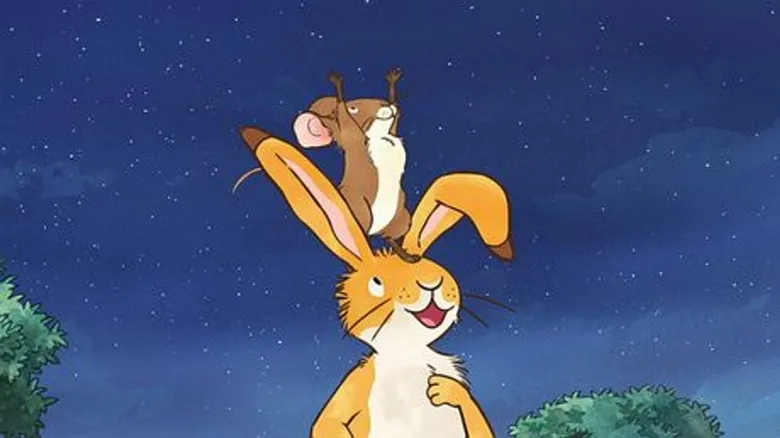
Guess How Much I Love You
Can You Touch the Stars?
recommended age
Unlock
co-watching from 2
The episode explains that stars look tiny only because they are 'so very far away.'
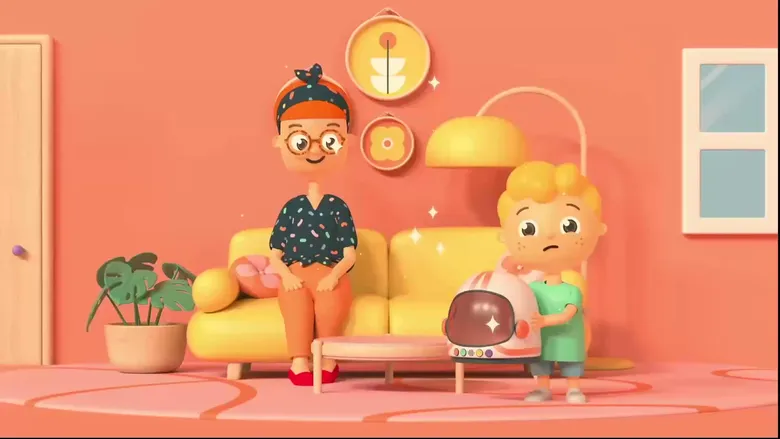
Ready Eddie GO!
Show and Tell
recommended age
Unlock
co-watching from 2
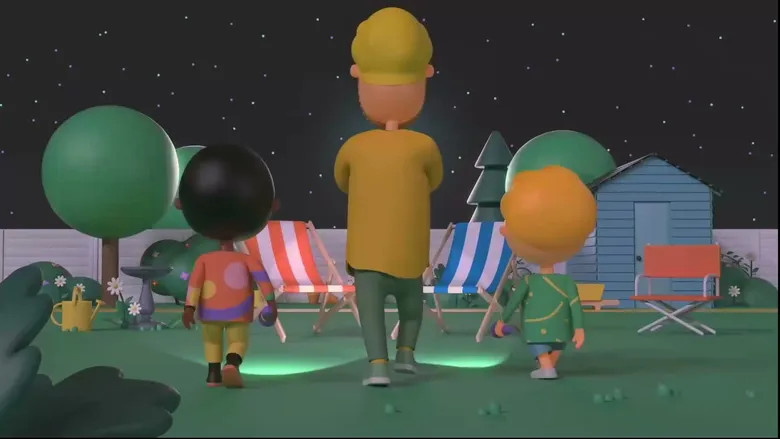
Eddie explains his astronaut helmet's visor, buttons and mission-control mic.
Ready Eddie GO!
Stargazing
recommended age
Unlock
co-watching from 2
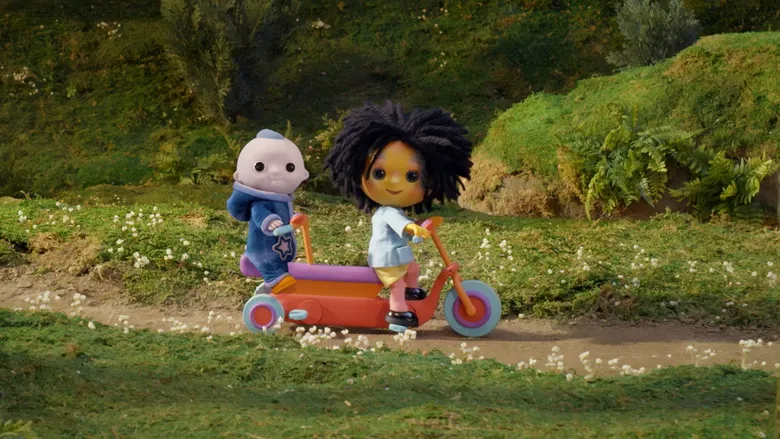
The episode explores stars, planets and constellations as Eddie's favourite topic.
Moon and Me
Who Rides What?
recommended age
Unlock
co-watching from 2
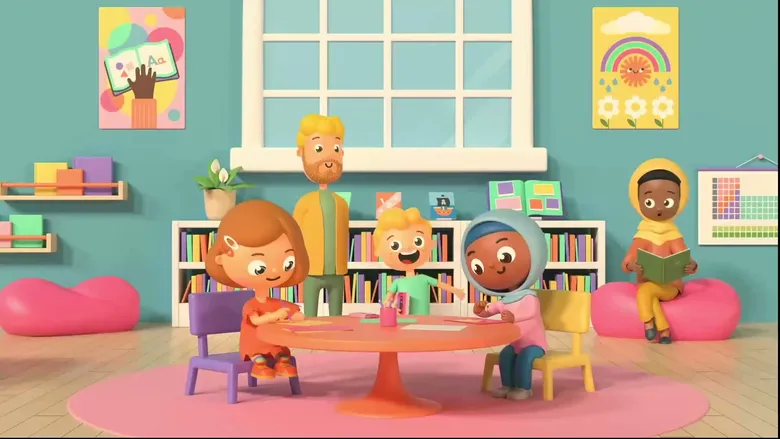
The moon is a constant motif, from the opening sky to Moon Baby who lives on it and slides down to visit.
Ready Eddie GO!
Library
recommended age
Unlock
co-watching from 2
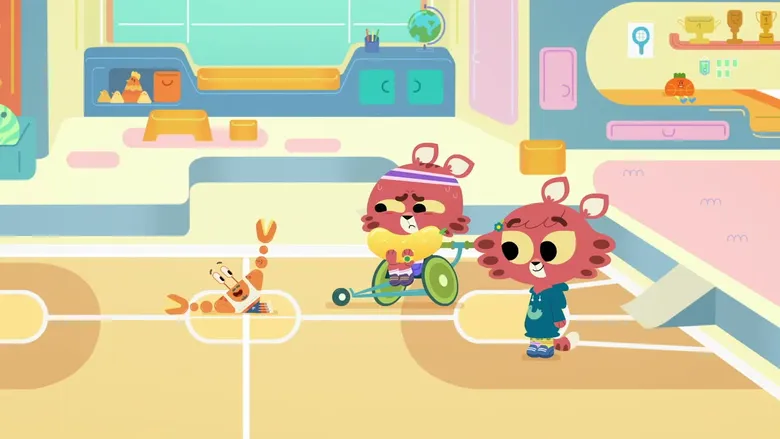
Eddie's book is about the first Mars rover and he hunts for more space titles.
For 3-year-olds
Three-year-olds begin to connect night, stars, and sleep, and they start asking where the moon goes in the daytime. Space becomes a place you can pretend to visit, in a cardboard rocket or under a blanket. Good series at this age keep the story small and familiar, with one clear idea per episode and a warm return home at the end. Simple words like star, moon, and sky do more than the names of planets.
Little Bear
Little Bear Goes to the Moon
recommended age
Unlock
co-watching from 2
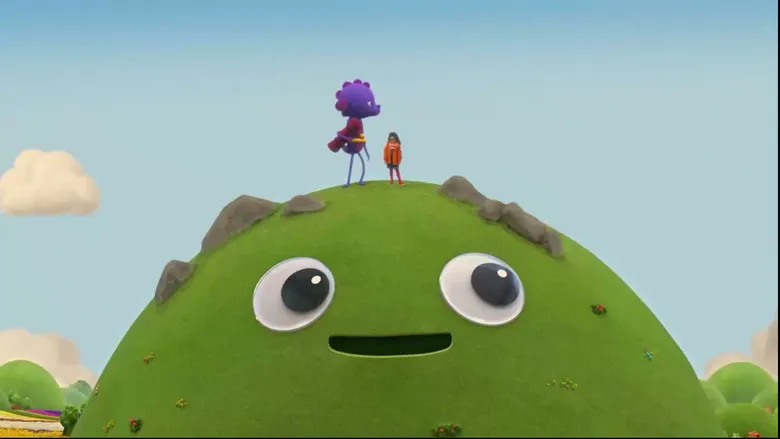
His whole plan centres on flying up to the moon in a homemade space helmet.
Paprika
The Space Shuttle
recommended age
Unlock
co-watching from 2
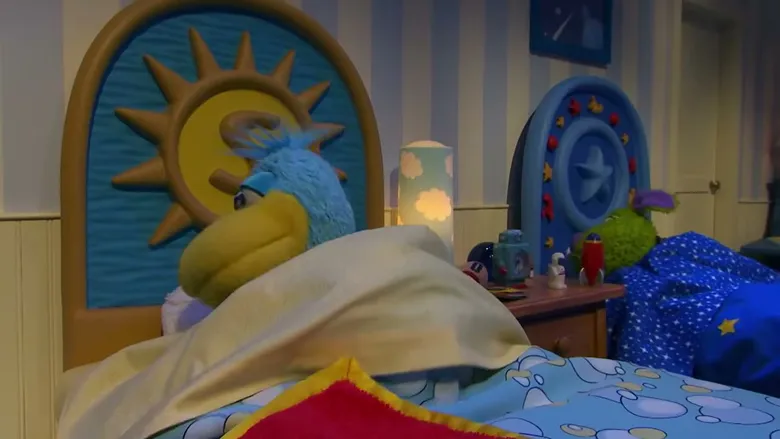
Olivia defines an astronaut and the group names planets, moons and shooting stars.
Jessy & Nessy
Why Is the Moon Out During the Day?
recommended age
Unlock
co-watching from 2
The story centres on the moon and sun appearing in the sky together.
Pajanimals
Squacky's Night Light Adventure! No Fear of the Dark!
recommended age
Unlock
co-watching from 2
The friends visit the Moon among the stars in the night sky.
Super Truck of Car City
Space Vacation
recommended age
Unlock
co-watching from 2
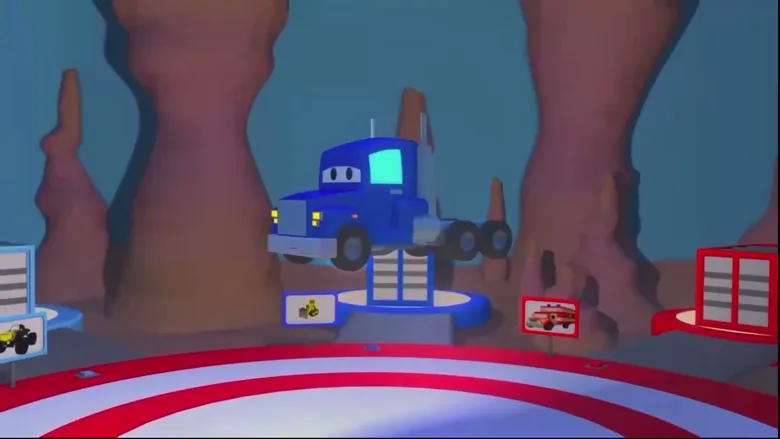
Stars, meteors and the brightness of the sun in space are shown and explained
The Hoobs
Stars
recommended age
Unlock
co-watching from 3
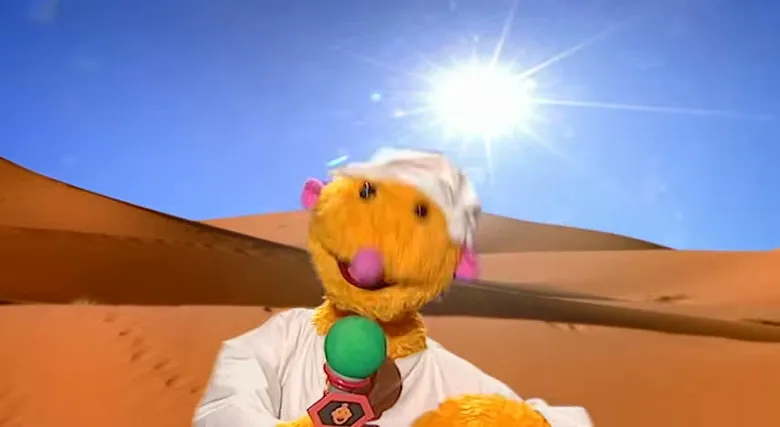
Roma explains the sun is a star, close to earth, and that stars are extremely hot and fiery.
For 4-year-olds
Four is when the questions get sharper: what is up there, who goes, how do they get back. A child this age can hold a short sequence of events, so a countdown, a launch, and a landing all make sense together. Look for a series that lets characters wonder out loud and try things, rather than one that lists facts. Some awe and a little bit of dark is fine here, as long as the tone stays steady.
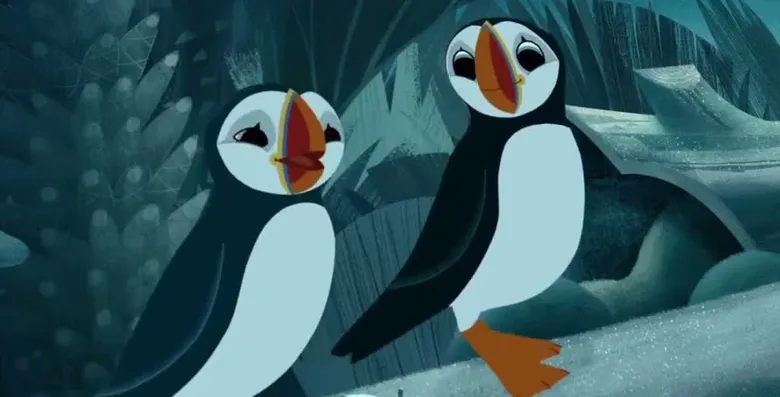
Puffin Rock
The Meteor Shower
recommended age
Unlock
co-watching from 4
The narrator describes the Perseid meteor shower and shooting stars.
Doc McStuffins
Starry, Starry Night
recommended age
Unlock
co-watching from 2
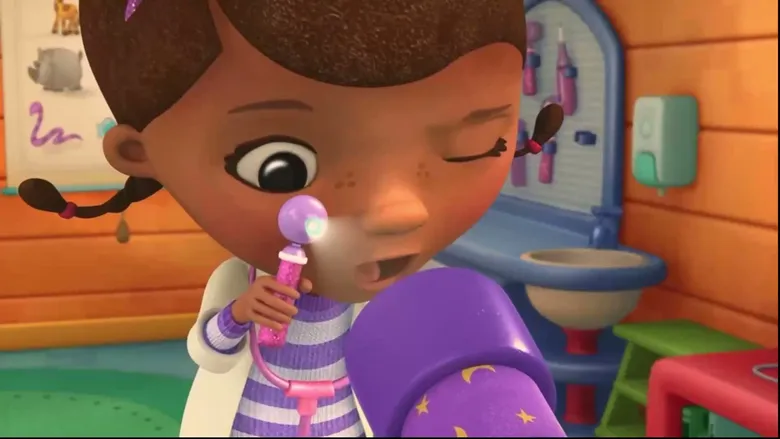
Doc names planets, stars, galaxies and a meteor shower through the telescope.
Helpsters
Astronaut Amrita
recommended age
Unlock
co-watching from 3
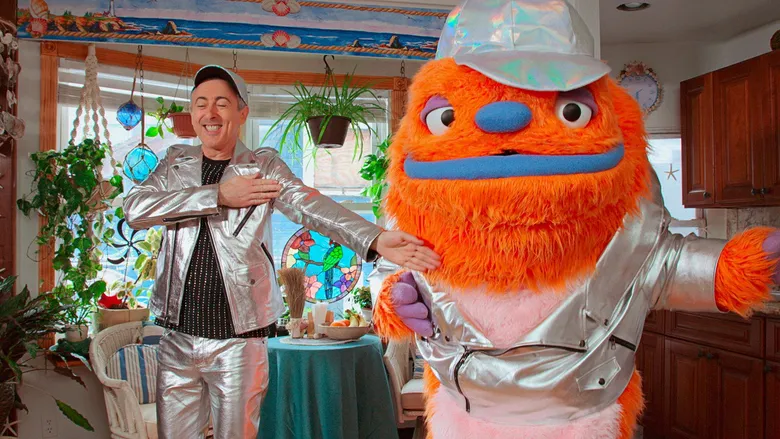
The customer is an astronaut launching to the moon with a mission countdown.
The Berenstain Bears
Too Much TV
recommended age
Unlock
co-watching from 2
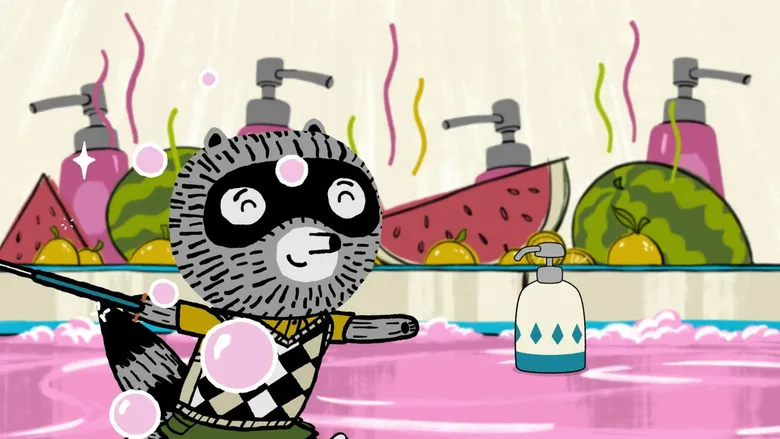
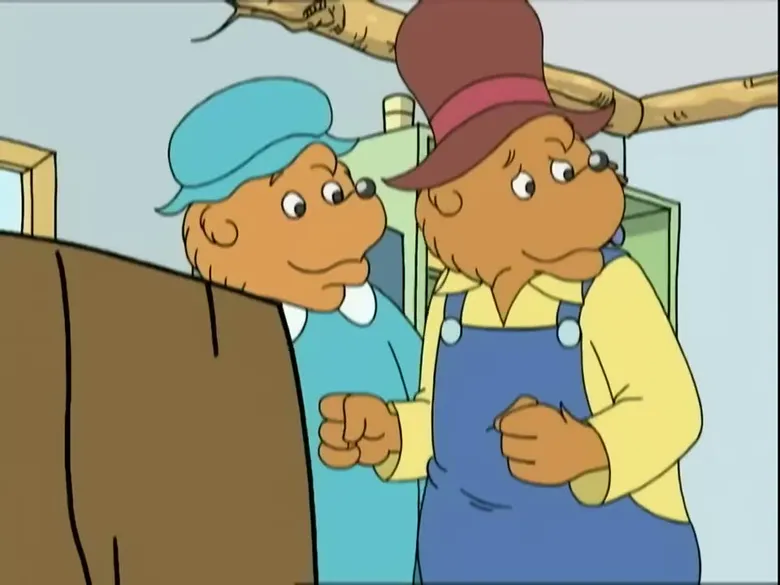
Papa names Orion's belt and the Big Dipper during a night of stargazing.
Carl the Collector
Show And Smell/The Campfire Conundrum
recommended age
Unlock
co-watching from 4
The campers learn constellation names and how sailors used stars to navigate.
For 5-year-olds
By five, children can carry real ideas: that Earth is a planet, that the moon circles us, that astronauts need air and suits. They enjoy knowing something and telling you about it. This is the age where an explaining series earns its place, provided it answers actual questions, shows how people find out, and admits when something is still unknown. Watch that the pacing stays calm; excitement about space does not need loud editing to land.
Stillwater
The Impossible Dream
recommended age
Unlock
co-watching from 2
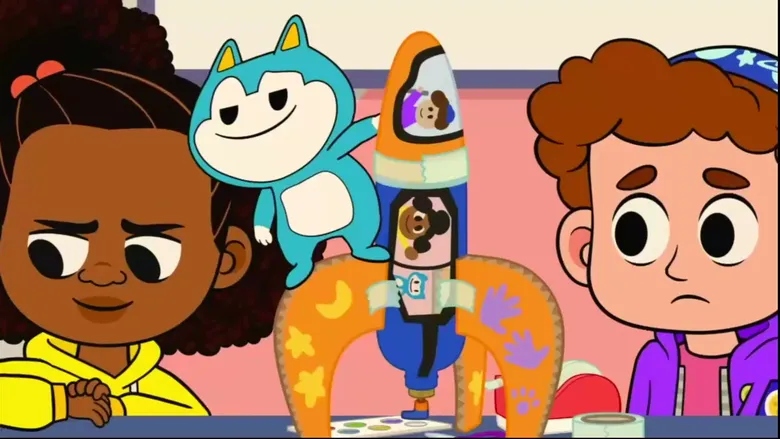
Carl's spaceship is built to fly up to where 'the stars are and everything.'
Lyla in the Loop
3, 2, 1 Liftoff!
recommended age
Unlock
co-watching from 2

The children build spaceships and run a countdown liftoff.
Stillwater
The Sleeping Moon
recommended age
Unlock
co-watching from 2
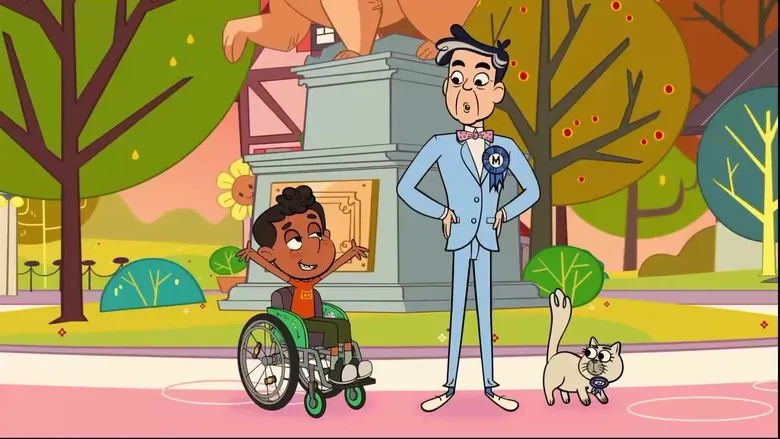
The episode centers on watching and explaining a lunar eclipse
Goldie
Petey the Stargazer
recommended age
Unlock
co-watching from 3
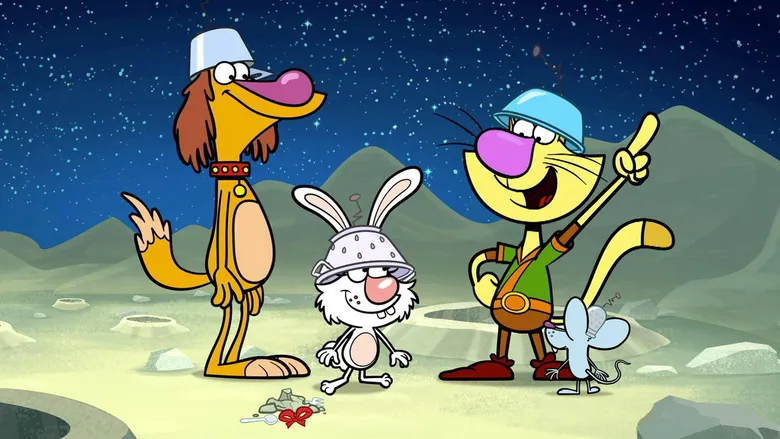
The friends stargaze and discuss the universe, stars and aliens.
Nature Cat
Astronuts
recommended age
Unlock
co-watching from 4

The episode centres on travelling to and exploring the moon.