








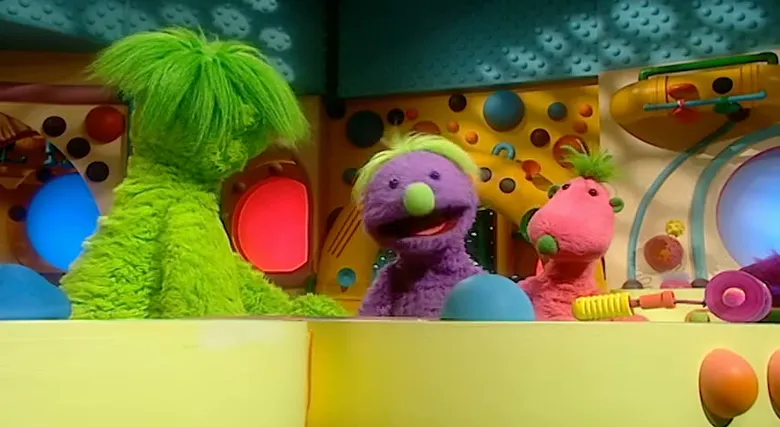
This program is stimulating. It actively demands attention and can feel intense. For the recommended age, this may be on the more intense side.
The pacing is fast. Images follow each other quickly, leaving little time to pause and take in what is happening.
The sound is soft and supportive.
The visuals are busy, with a lot of movement and frequent changes.
One clear question drives the whole episode: how can the Hoobs get a star to hang in their Hoobmobile? Every scene builds on that single thread, from trying to catch a falling star to learning that the sun is a star, and a closing 'Hoob News' segment recaps the whole journey one step at a time. New ideas arrive separately with plenty of repetition, so a young child can follow each turn. A few explanations lean on the show's playful logic rather than strict facts, but the cause-and-effect stays easy to track.
The mood stays warm and encouraging from start to finish. When Iver is disappointed that he cannot catch a real star, the others reassure him and he ends up with a star he is proud of, and the embedded story rewards kindness when Speck hands his drink to a tired friend. There is no anger, fear or meanness, and the one moment of mock distress, Roma pretending to wilt in the midday sun, is light and settled at once. Feelings shift gently rather than swinging, which makes it easy and safe to watch.
The whole episode is built around the Hoobs working something out for themselves. Iver's own wish sets the goal, and the group tries one idea after another: a leg-up to the sky, a homemade star catcher, asking Roma, then making and decorating a star, checking each attempt and adjusting when it fails. Children get to see real trial and error instead of instant answers, with a small caveat that some leaps rely on the show's whimsy. Still, the habit of testing an idea and learning from it comes through clearly.
The dialogue is clear and the sentences stay short, and the real ideas, the sun being a star, stars being hot, twinkling at night, are explained in plain, concrete words. The catch is the heavy layer of invented vocabulary: 'humacious', 'twizzle tuft', 'fan tabby hooby' and many more sit right alongside the real words. For a three-year-old building everyday language, these made-up words dilute what is genuinely useful to pick up. The informative stretches, like Roma's explanation of the sun and the closing recap, are the strongest part.
Much of the episode lives in a puppet fantasy world, with a magic galaxy, a Hoobmobile and an animated story, which keeps a lot of it at a distance from everyday life. What grounds it are the cut-aways to real children catching tadpoles with nets and making sparkly decorations, plus genuine facts about the sun and a clear lesson about kindness. A child could copy the make-your-own-star craft or the net-catching at home. The real-world activities are there, but they share the screen with a lot of pure imagination, so the direct everyday usefulness is partial.
More information
This score shows how inclusively the series portrays diverse people, families and cultures. Scale: Limited → Varied → Rich → Inclusive.
This puppet series mixes fuzzy Hoob characters like Iver, Tula, Groove and Roma with short live-action clips of real children in a garden and a family kitchen. The puppet voices are split between male and female, and the children who appear, both boys and girls, take part in the activities. What is missing is broader human variety: the children all seem to share a similar light-skinned background, no adults or different family set-ups appear, and the everyday worlds shown stay narrow. Where the series does better is in how it spreads tasks and curiosity fairly evenly, with knowledge and hands-on work shared rather than handed to one type of character.
This score shows whether the series stays close to everyday reality or leans into fantasy. Scale: Fantasy → Mixed reality → Realistic.
This episode blends a colourful imagined world with plenty of real-world learning. The Hoobs are invented creatures living in Hoobland, yet they explore genuine facts about stars and the sun, and real children appear catching tadpoles with fishing nets and making sparkly crafts. There is no villain anywhere; every challenge is a friendly problem the characters puzzle through together, like whether a falling star can be caught. The imagined elements stay internally consistent, though the playful invented world leans a little more fantastical than a three-year-old strictly needs.
This score shows how enjoyable the series is for parents watching along. Scale: Tedious → Tolerable → Pleasant → Enjoyable.
The Hoobs is built around colourful foam puppets and an excitable, invented vocabulary that sits squarely with children, so an adult in the room finds little aimed their way beyond a light news parody and the odd pun. The story holds together better than pure repetition, following Iva's wish for a star through a real question, a few failed attempts, and a satisfying ending. The busy, saturated sets and the repeated travel song are noticeable for adult eyes and ears, even if the voices stay warm rather than shrill. The Jim Henson puppetry and clean sound carry the craft, with only the dated star and space effects showing their age.
Themes
Stars
Central
The whole episode is about stars, from Iver wishing for one to the closing song 'I'd catch a star that winks at me'.
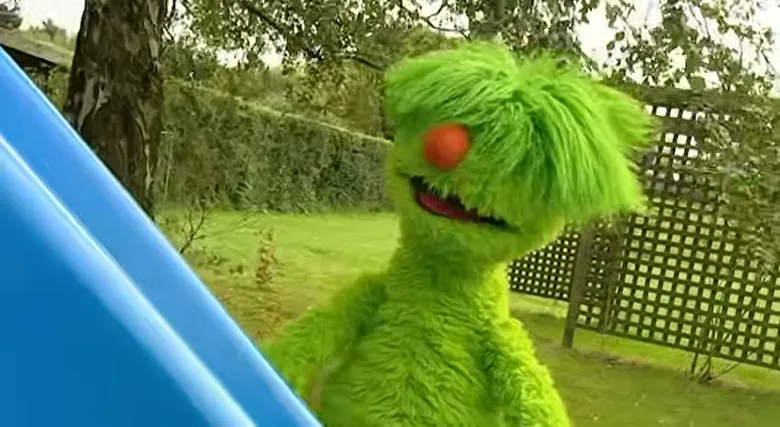
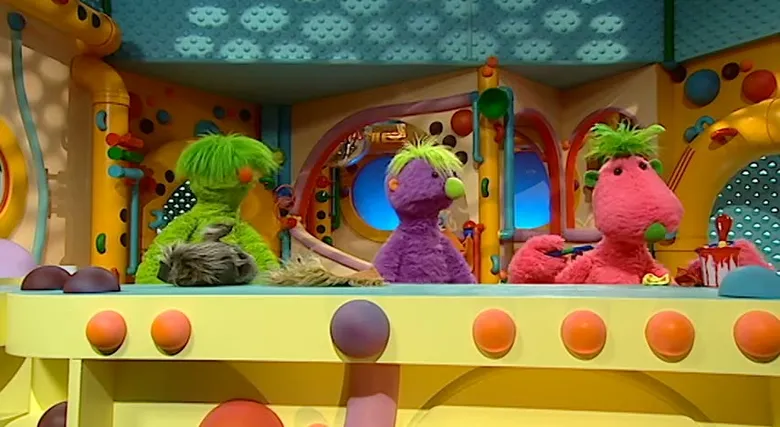
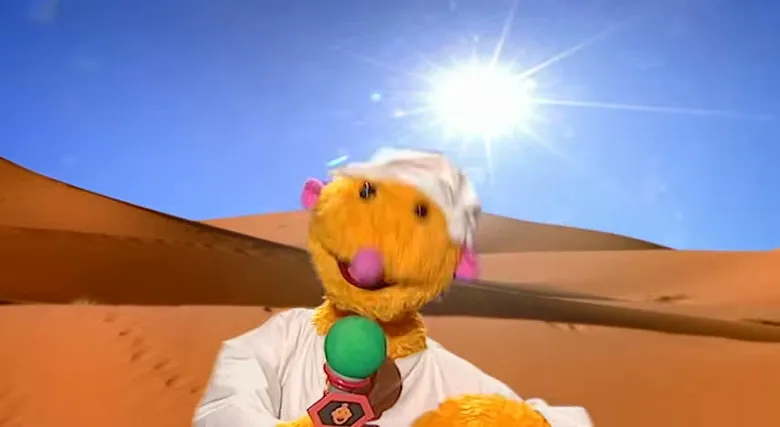
In this episode of The Hoobs, four puppet friends, Iver, Tula, Groove and Roma, set out to answer one question: how can they get a star to hang in their Hoobmobile? They try to catch a falling star, learn from Roma that the sun is a star and that stars are far too hot to hold, and visit real children who show them how to catch and craft. After a story about a speck of light that learns to twinkle by being kind, the Hoobs make their own star and give it a sparkly twinkle, then present it on their 'Hoob News'. Iver ends the day by catching a falling star of his own.