










This program is well-balanced. It remains mostly easy to follow and process. It is a good fit for the recommended age.
The pacing is fast. Images follow each other quickly, leaving little time to pause and take in what is happening.
The sound is clearly present and regularly draws attention.
The visuals are calm and well-organized.
The episode follows one clear question from beginning to end: what does a cloud look like, and where will Seren find it. Each new idea arrives on its own, that clouds are white or grey, that they float, that they belong in the sky, so a child is never asked to hold too much at once. The logic is easy to follow, with a clear begin, middle and end and dependable cause and effect, such as the balloon popping while the cloud does not, and the cloud finally making rain. This makes the storyline simple for a toddler to track.
The emotional tone stays warm and steady throughout. Ben guides Seren with patience and praise, the friends are kind and encouraging to one another, and no character is mocked, shamed or made the butt of a joke. The one small surprise, a balloon popping, is softened at once ('clouds don't go pop like a balloon, I'm glad to hear that'), so there is little for a child to feel uneasy about. Feelings stay even and predictable from start to finish.
There is a visible thinking process here: Seren reasons that clouds float, rules out the garden and the sea, and works out that the sky is the place to look. She then tests what she finds, holding a balloon and a feather up against the clues before deciding which one is truly a cloud. The puzzle is handed to the friends by Ben rather than growing from their own goal, which limits the sense of initiative a little. Even so, the trial and error and the clear reasoning steps are well suited to this age.
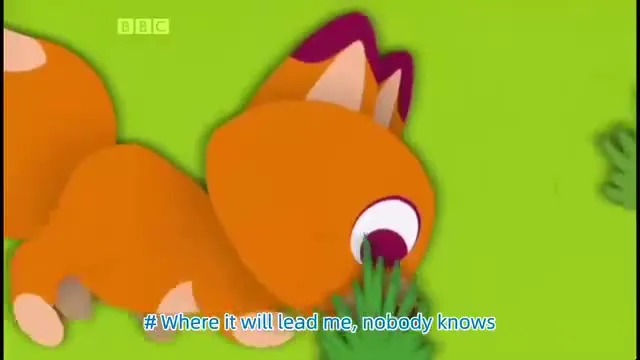
The language is simple, concrete and well matched to a young child: short sentences about clouds being white, floating and making rain, repeated often so each idea sticks. Words are used consistently and the speech is clear and easy to understand. The character songs are a touch more lyrical ('where it will lead me, nobody knows'), slightly above everyday talk, but the core teaching language stays plain and purposeful.
The episode teaches a real idea a child can take outside: clouds are white or grey, they float in the sky and they make rain, which invites looking up at the real weather. What holds this pillar back is that the cast are make-believe animals and much of what happens, such as a bat-like character soaring through the sky, cannot be copied in everyday life. The social moments are recognisable, with friends playing together, taking turns and saying goodbye, and brief live-action shots of a real child add a real-world anchor. So the underlying lesson carries over well even though the way it is shown is largely imaginary.
More information
This score shows how inclusively the series portrays diverse people, families and cultures. Scale: Limited → Varied → Rich → Inclusive.
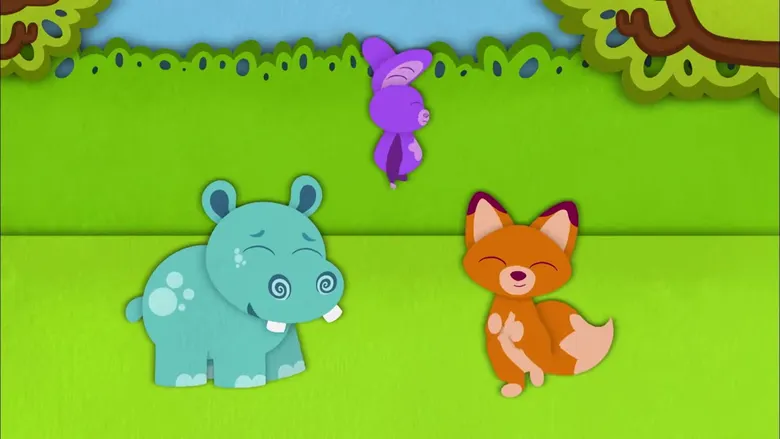
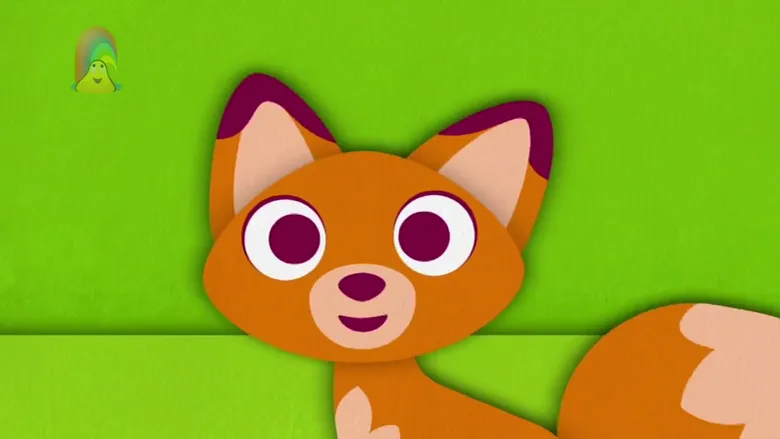
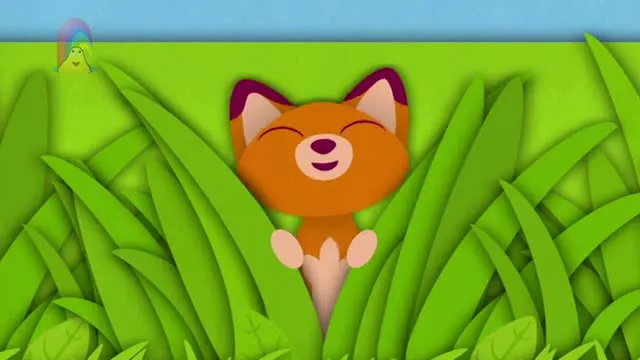
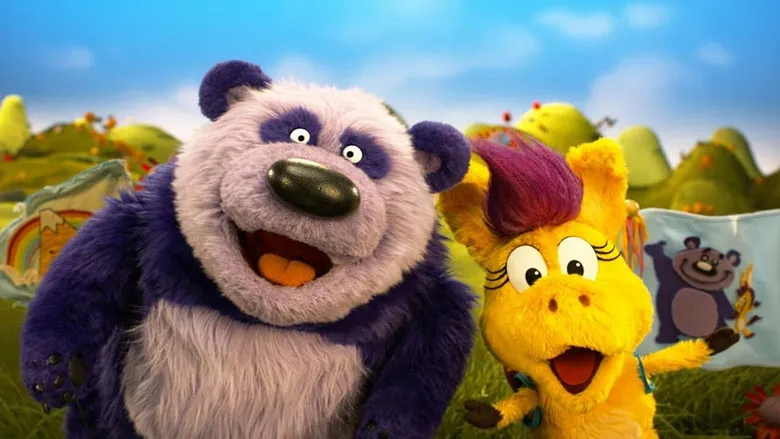
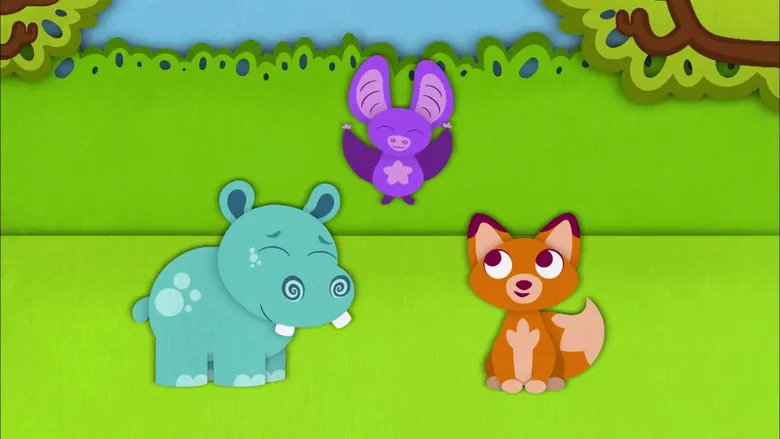
This episode follows a small cast: a live-action boy named Ben with brown skin and dark hair, plus three animated creatures (a purple bat, a blue otter, and an orange fox) who explore a green countryside. Having a child of colour as the host adds some ethnic variety, and the animal trio mixes male and female, but the world stays narrow, with no families, adults, older people, or different ways of living shown. Roles are handled fairly, since the female bat Seren leads the search for the cloud while Ben offers gentle encouragement, so initiative is not pinned to one gender. The result is even-handed treatment of the characters, set inside a fairly thin picture of how people live together.
This score shows whether the series stays close to everyday reality or leans into fantasy. Scale: Fantasy → Mixed reality → Realistic.
Abadas teaches the word 'cloud' through a friendly game, and almost everything the child learns is grounded in real life: clouds are white or gray, they float in the sky, and they bring rain. The animal characters who guide the search are imagined and arrive from a magic book, but the places they visit (a garden, the seaside, the open sky) and the objects they meet (a balloon, a feather) are all things a child can recognize. There is no villain anywhere in the episode, and the only challenge is the gentle puzzle of telling a cloud apart from a balloon or a feather. The blend of real-world learning and light, consistent make-believe suits a two-year-old.
This score shows how enjoyable the series is for parents watching along. Scale: Tedious → Tolerable → Pleasant → Enjoyable.
For an adult sharing the room, Abadas is an easy watch. The production is polished, with smooth animation and a clean sound mix, and the episode builds a small quest to identify a cloud that gives a parent a thread to follow. Soft voices and an unhurried pace keep it pleasant in the background. The main limit is that the humor and ideas sit squarely at the child's level, so there is little written for the grown-up, and the looping opening chant and songs are the only real wear points on repeat.
Themes
Weather
Central
The whole episode explores what a cloud is, ending with the cloud making rain ('clouds make rain').
Literacy
Central
Ben introduces a word game where the friends guess what the word 'cloud' looks like.
Discovery
Central
Seren flies up to find out what a cloud looks like, testing a balloon and a feather first.
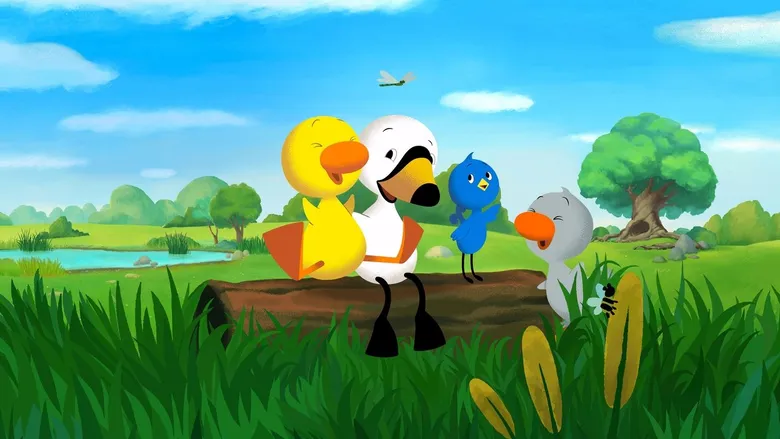
Abadas is a CBeebies show in which three animal friends, Seren, Harry and Ella, play a word game introduced by Ben, a character who lives in a book. In this episode the word is 'cloud', and Seren flies up into the sky to discover what a cloud looks like. Along the way she meets a balloon that pops and a feather that tickles before finding a real cloud that is white, floats and makes rain. The episode ends with the friends recapping what they learned and singing goodbye.