



This program is well-balanced. It remains mostly easy to follow and process. It is a good fit for the recommended age.
The pacing is calm. A child has time to watch and understand what is happening.
The sound is intense and continuously present.
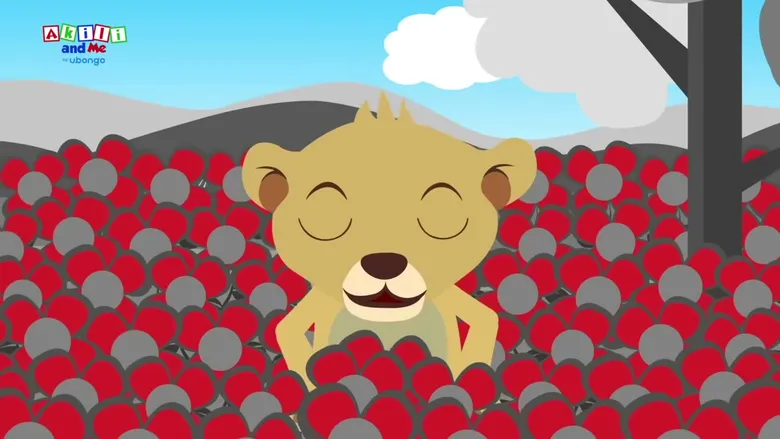
The visuals are calm and well-organized.
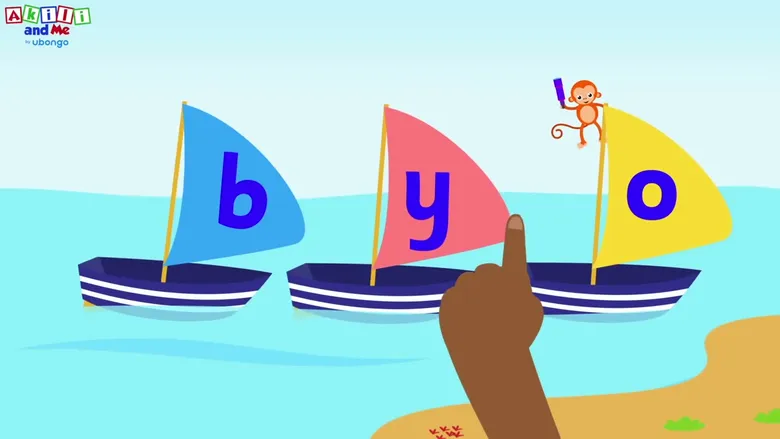
The episode follows one clear thread from beginning to end: the letter O has fallen into the ocean and needs to find her way home. Each step builds on the one before in a sensible order, floating her up on a bubble, shrinking her down to size, writing her shape in the sand so passing boats notice her, then clearing an octopus from the path. New ideas arrive one at a time, so a three-year-old can keep track of what is happening. The cause-and-effect mostly holds together, with the small caveat that a few turns rely on invented logic, like saying 'oh' to make her shrink.
The tone is warm and reassuring all the way through. The guiding voice keeps encouraging both the letter O and the children, with lines like 'don't worry letter O' and 'great job kids,' and never mocks or shames anyone. The small worries that come up, the boats not seeing her or the octopus blocking the way, are handled gently and settled before they can grow. Feelings move smoothly from one moment to the next, which keeps the whole experience steady and safe for a young child.
The guiding voice does most of the thinking out loud, proposing each idea ('I bet if letter O holds on to a bubble she will float') and leaving the children mainly to point out which letter is round. The problems are handed to the characters by events rather than chosen by them, so there is little self-driven initiative on screen. There is some real modelling of trying and checking, as when the voice says 'I think it's working kids, let's try one more time,' and the solutions do follow recognizable steps. On the whole a child watches problem-solving demonstrated more than they are invited to work it out themselves.
The language is simple, clear and concrete, built from short sentences and familiar words like round, big, small, bubble and boat. Instructions come in steady, repeated phrases ('we start at the top, then we go around, and around, and join together') that reinforce meaning and are easy for a three-year-old to take in. Words are used correctly and consistently, and the speech is clearly articulated. Most of the talk carries real information or instruction, with only the occasional filler sound like 'oh' or 'ah-ha,' a small caveat against an otherwise purposeful script.
The real-world value sits mainly in one place: children are invited to trace the shape of the letter O with their fingers and to make its 'oh' sound, which they can practise away from the screen. Around that, almost everything happens in an imaginary world of a talking letter, magic shrinking and a tickled octopus, so the link to everyday life is thin for this age. The helping theme, lending a hand to get a friend home, is recognizable, and a closing alphabet sing-along grounds it a little. Still, most of what happens cannot be carried into daily play.
More information
This score shows how inclusively the series portrays diverse people, families and cultures. Scale: Limited → Varied → Rich → Inclusive.
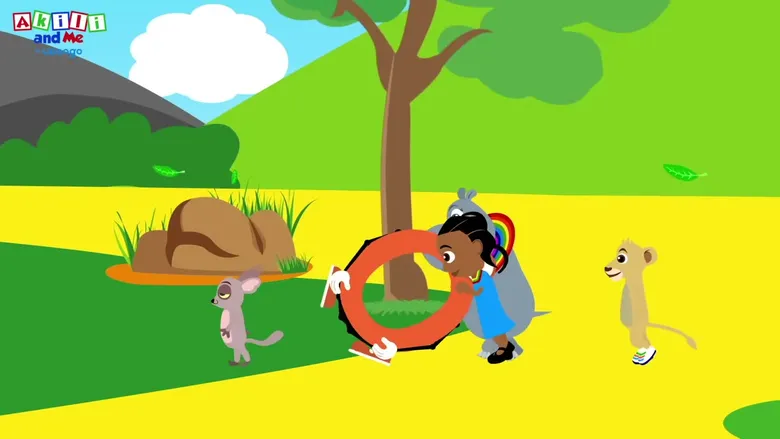
This is an alphabet adventure built around a round 'Letter O' that gets lost at sea and finds its way home with help from the children watching. The people on screen, Black East African children and an adult woman, appear mostly in a short live-action stretch near the end, so the warmest part of the representation sits outside the main story. Within the adventure, roles are shared and cooperative, with problems solved by kindness rather than force and no stereotyped patterns to speak of. The result naturally centers an audience often overlooked in children's media, while keeping human variety and substantive human roles light inside the episode itself.
This score shows whether the series stays close to everyday reality or leans into fantasy. Scale: Fantasy → Mixed reality → Realistic.
This alphabet adventure sends a friendly letter O on a journey home across a recognizable ocean, sandy beach and sailing boats, helped along by magic such as shrinking whenever she says 'oh'. There are no villains: the problems come from situations rather than characters, and even the octopus blocking the path is solved with a playful tickle and swims off happily. The made-up world keeps its own rules consistent, which makes the story easy to follow and invites children to join in. The main caveat is that the episode leans more on imagination than the mostly realistic content that best suits the youngest viewers, though it stays gentle and tied to learning letters.
This score shows how enjoyable the series is for parents watching along. Scale: Tedious → Tolerable → Pleasant → Enjoyable.
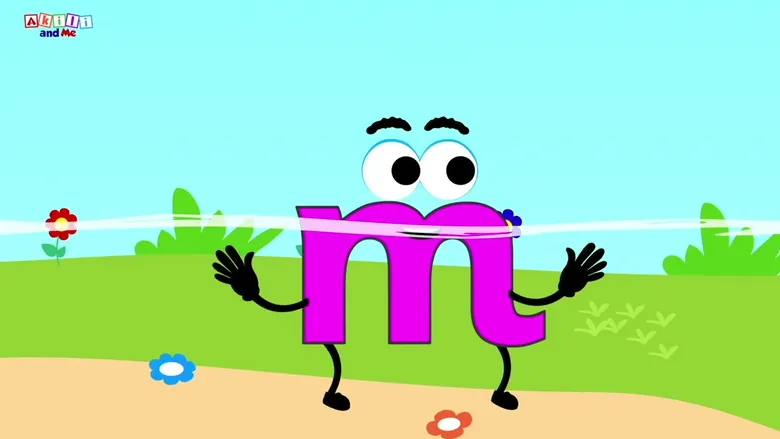
This is a straightforward letter-learning episode that speaks directly to young children and offers little for an adult sitting alongside. A light journey home gives it more shape than a pure activity loop, though the repeated writing routine keeps the story thin. The calm narration and steady pace make it easy to have on in the room, with a looping song and a saturated pink-on-blue look as the main irritants. Production is functional, with simple animation and clean sound rather than standout craft.
Themes
Alphabet
Central
The entire episode teaches the letter O, its round shape and its 'oh' sound, ending with the full alphabet sung aloud.
Ocean
Recurring
Letter O floats through the sea, travels by boat and passes an octopus on her journey home.
A round character called Letter O falls into the ocean and has to find her way back home. With help from a guiding voice and the watching children, she floats up on a bubble, shrinks back to size by saying 'oh,' writes her shape in the sand to flag down passing boats, and tickles an octopus out of her path. She reaches home and announces that she makes the 'oh' sound. The episode then closes with an alphabet sing-along featuring the character Akili and a segment advertising a letter-learning app.