







This program is highly stimulating. It may be difficult to calmly process everything. For the recommended age, this can feel clearly intense.
The pacing is fast. Images follow each other quickly, leaving little time to pause and take in what is happening.
The sound is intense and continuously present.
The visuals are busy, with a lot of movement and frequent changes.
The episode is a string of separate songs rather than one connected story, so there is no single thread running from beginning to end. Within each song the order is clear and the heavy repetition keeps the amount of new information low and easy to digest, which suits a young child. The letter songs show a simple, predictable logic, where changing one letter turns 'cat' into 'fat' and 'sun' into 'run'. The main limitation is that the segments do not build on one another, so each one starts fresh with little connection to what came before.
The mood stays warm and friendly throughout, with characters greeting each other, cheering 'good job kids' and celebrating a birthday together. There is no fear, conflict or sadness, so a young child is never caught off guard by an upsetting moment. The singers and animals behave consistently and kindly, which makes the world feel predictable and reassuring. The one caveat is that the cheerful intensity stays high and seldom settles into a calmer, gentler register.
There is little independent thinking or problem-solving for a child to watch unfold. The format teaches by naming and repeating, so characters rarely face a problem, try something and adjust. A few small moments hint at reasoning, such as the question-and-answer about how many sides a square has and the letter games that swap one sound for another. Beyond those, knowledge is handed over directly rather than worked out, and the viewer is invited to copy along instead of figuring anything out.
The language is simple, concrete and well matched to a young child, built on everyday words like red, blue, jump, run, family and the body parts head, arms, legs and toes. Words are used consistently and clearly, and much of the talk has a real purpose, naming colours, counting fruit or describing a shape. The repetition reinforces meaning rather than filling space, which helps children learning English follow along. The small caveat is that many lines are chants or single words rather than full sentences, so complete sentence structure takes a back seat.
Several songs connect directly to a child's daily life, inviting them to touch their head and toes, count on their fingers, name colours and join a family song about mother, father, brother and sister. These actions are easy to copy away from the screen and carry clear practical meaning. The limitation is the setting, a magical dream world where animals talk, fly and sing, which sits at a distance from the everyday world a three-year-old knows. Real concepts and imaginary surroundings sit side by side, so the practical value is mixed with fantasy.
More information
This score shows how inclusively the series portrays diverse people, families and cultures. Scale: Limited → Varied → Rich → Inclusive.
This singalong puts Black African children front and centre, something often missing from children's media, and surrounds the girl Akili with boys, girls, talking animals, and real children and families filmed in Tanzania. Gender and age are well represented, and everyone joins the same songs, games and lessons without roles being split along predictable lines. The frame stays within one cultural and ethnic world, and family life appears mainly as a single mother, father and children model. Within that range, people are shown fairly and on an equal footing.
This score shows whether the series stays close to everyday reality or leans into fantasy. Scale: Fantasy → Mixed reality → Realistic.
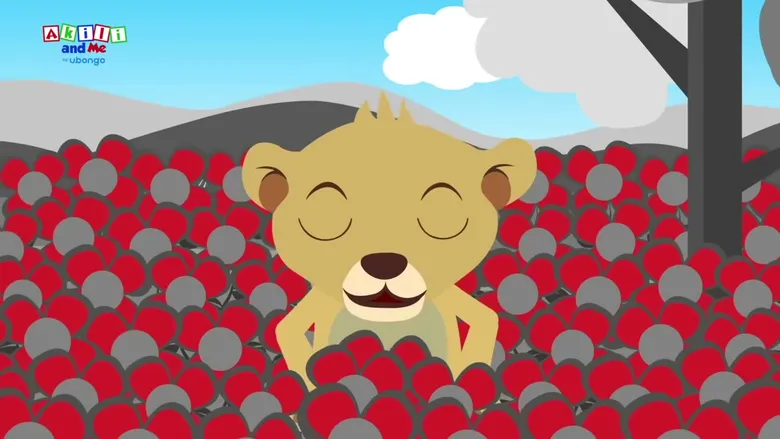
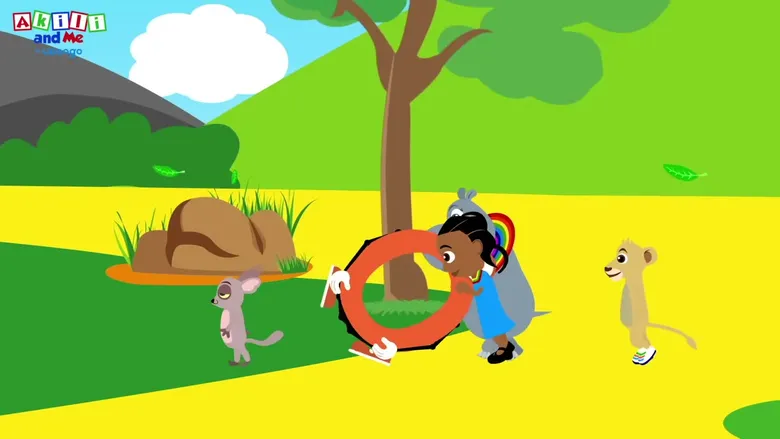
Most of what children see is drawn straight from everyday life: counting yummy fruits, naming colours like red tomatoes and yellow bananas, touching head and toes, singing about family, and celebrating a birthday. A light layer of imagination sits on top, as Akili falls asleep and visits a friendly dream world where a lion, a hippo and a bush baby talk, and one song cheers 'I can fly.' No villain appears at any point; every challenge comes from learning something new rather than from a bad character. The blend of real-life lessons and gentle make-believe fits a young preschooler well.
This score shows how enjoyable the series is for parents watching along. Scale: Tedious → Tolerable → Pleasant → Enjoyable.
This compilation offers little for an adult watching alongside, with no jokes, references, or layers pitched above the child's level. The songs lean almost entirely on repetition, and several refrains loop the same line for minutes, which wears thin for anyone in the room. The animation is the strongest part of the package: clean, consistent characters with bright colour, plus a few filmed clips of real children dancing. As background for a parent it is more tiring than rewarding, carried by competent craft rather than anything engaging.
Themes
Alphabet
Central
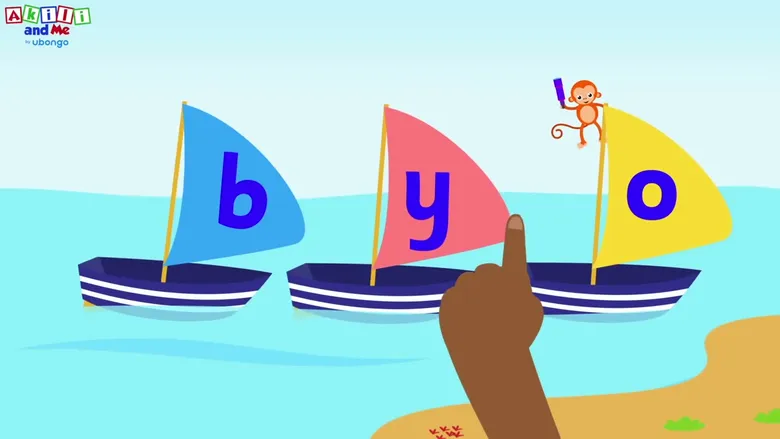
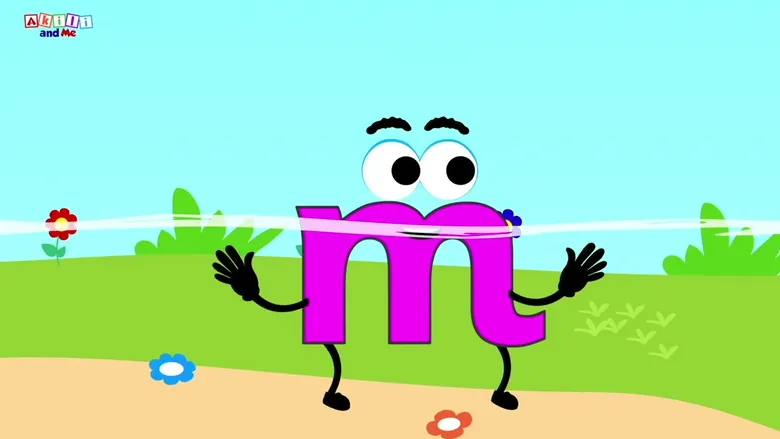
Songs teach letters and how 'changing C to F' turns 'cat' into 'fat'.
Counting
Central
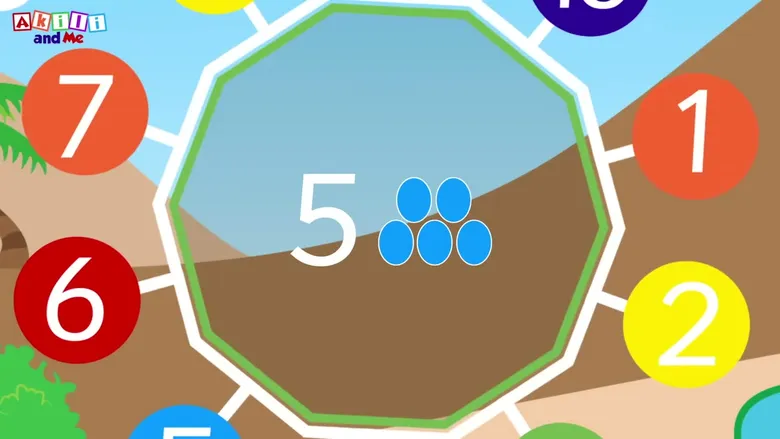
Repeated counting songs run '1 2 3 4 5 6 7 8 9 10' and up to twenty.
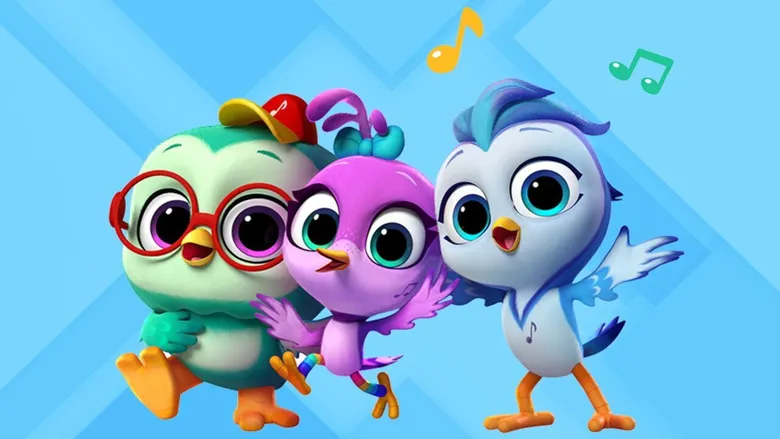
This is a half-hour singalong from the series Akili and Me, built around a birthday celebration for Akili, a young girl who visits a magical world called Lala Land. A run of songs teaches the alphabet, counting to ten, colours, shapes, body parts and a family song, with friendly animals like a lion, a hippo and a bush baby joining in. Children are often invited to sing, count and move along. It closes with a live presenter, Melody, who introduces herself as the voice of Akili and invites viewers to watch more.