













This program is well-balanced. It remains mostly easy to follow and process. It is a good fit for the recommended age.
The pacing is moderate. The story remains easy for a child to follow.
The sound is intense and continuously present.
The visuals are calm and well-organized.
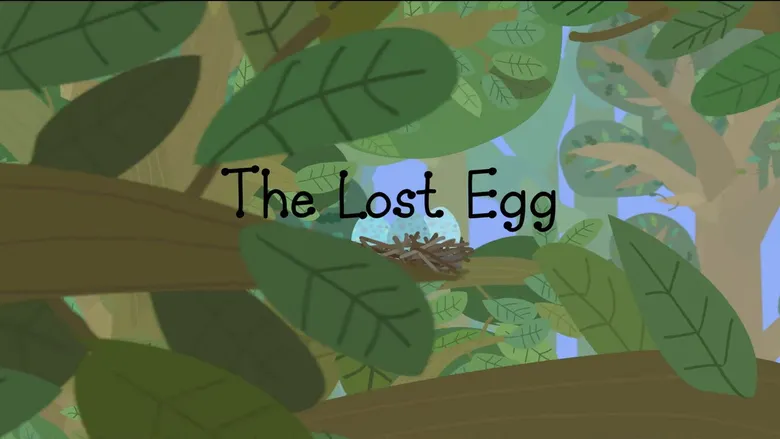
The whole episode follows one clear thread: a lost egg is found and the children work to reunite it with its mother. Events unfold in order with a recognisable beginning, middle and end, from discovering the egg to hatching the chick to the mother's return. New ideas arrive one at a time, such as following the trail, building a nest, then finding food, which keeps it followable for a young child. Actions lead to sensible outcomes, so a three year old can see why each step happens.
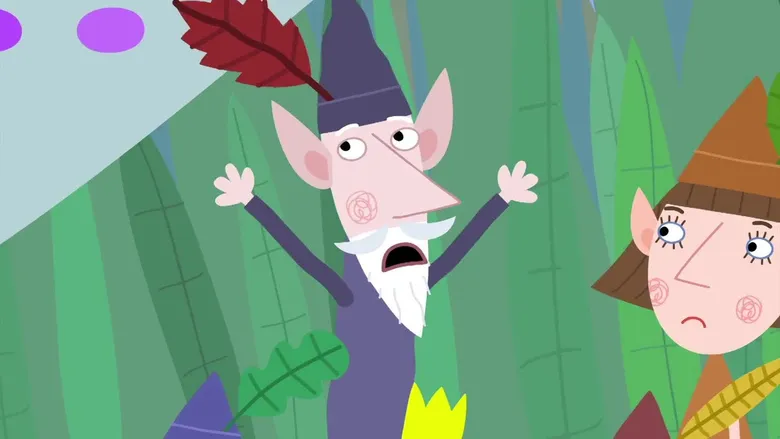
The tone stays warm and even throughout, with characters helping each other and no real menace anywhere. Small moments of worry, like the chick growing bigger after a spell or the King finding the egg uncomfortable, are quickly settled and played for gentle humour. Feelings shift smoothly rather than lurching, and the story closes with the reassuring reunion of chick and mother bird. The one small caveat is that the King is lightly the butt of the joke when he looks silly sitting on the egg, but it stays affectionate.
Ben and Holly drive much of the action, trying one idea after another: sending Gaston to sniff out the trail, building a nest, and attempting to charm worms from the ground. When attempts fail, like the worms slipping away, they regroup and try again, which shows a real thinking process for this age. Nanny Plum guides and supplies the bird knowledge, so the children share the initiative rather than owning every solution. Cause and effect is visible in their reasoning, and each problem reaches a recognisable resolution.
The dialogue uses short, clear sentences with concrete words a young child can hold onto, and new terms like 'blackbird', 'hatching' and 'nest' are explained in context. Speech is crisp and easy to follow, and much of the talk carries real information, such as why you should leave a wild bird's egg with its mother or what a chick sees first. Full sentences dominate over loose exclamations, and repetition of the egg-and-chick idea reinforces meaning. It sits comfortably at the level of a preschool listener.
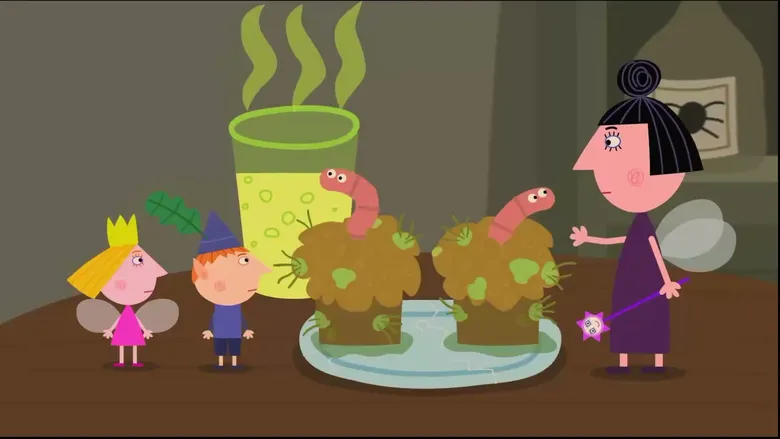
The episode teaches genuine nature facts, that birds eat worms and insects, that a chick imprints on the first thing it sees, and that eggs belong with the mother, and worm charming is even a real technique. The limitation is that most of the doing runs on magic: Holly conjures a ball, Nanny spells a nest into being and enlarges the chick, so few actions transfer directly to a child's own play. The world itself is a fantasy kingdom of fairies, elves and a talking ladybird, which sits at the more imaginative end for this age. Recognisable family and helping dynamics keep it grounded in everyday social patterns.
More information
This score shows how inclusively the series portrays diverse people, families and cultures. Scale: Limited → Varied → Rich → Inclusive.
This is a small, self-contained world of fairies and elves who all share the same pale pink skin and similar features, so there is little visible variety in background, culture, body type or family life. Where the episode does better is in how the characters behave: Holly and Ben both take initiative, and it is Nanny Plum, an older woman, who holds the knowledge and guides everyone through finding the mummy bird. Boys and girls cast spells, solve problems and help side by side, without tasks being split along fixed lines. The overall picture is a narrow cast in terms of who is shown, but a fairly even hand in who gets to lead and act.
This score shows whether the series stays close to everyday reality or leans into fantasy. Scale: Fantasy → Mixed reality → Realistic.
The world blends a fairy-and-elf kingdom of magic wands and spells with a story rooted in real nature. Ben and Holly find a bird's egg, learn that you must never take a wild bird's egg, and work to reunite the chick with its mother, so children pick up genuine facts about eggs, hatching, and what birds eat. There is no villain anywhere; the tension comes only from caring for the egg and finding its mummy. For a three-year-old the fairy and magic elements sit a little heavier than the gentle, mostly-realistic imagination this age relates to best, though the calm tone and familiar nature theme keep it within reach.
This score shows how enjoyable the series is for parents watching along. Scale: Tedious → Tolerable → Pleasant → Enjoyable.
This episode is a treat for the adult in the room. The dry, understated humor lands for grown-ups, the search-for-the-mummy plot has real shape and momentum, and the clean flat animation with calm British voices makes it easy to sit through. There is no looping song or shrill palette to grate on adult ears, which puts it well above the usual preschool fare for a co-viewing parent.
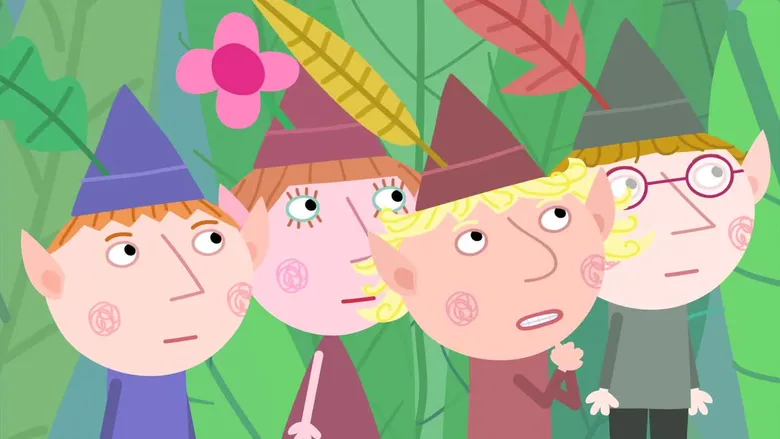
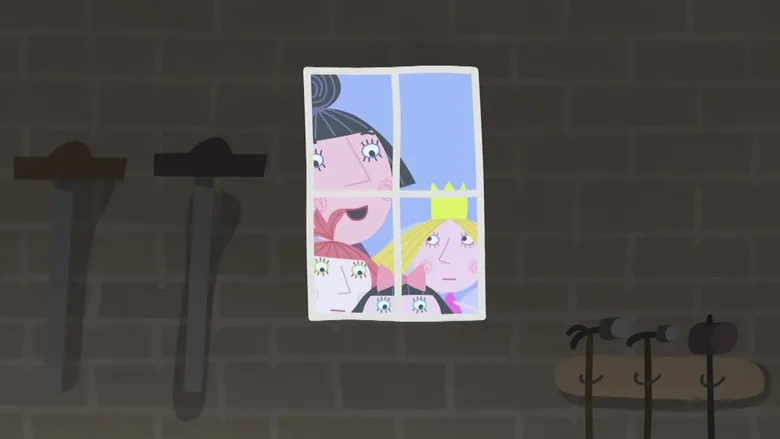
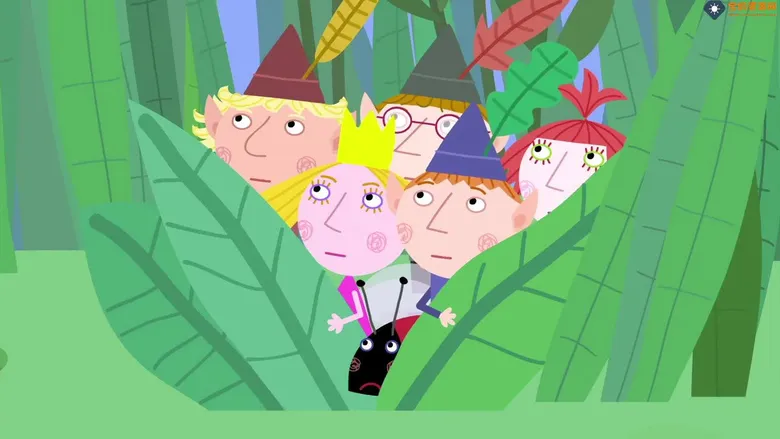
Ben the elf and Holly the fairy princess find a stray egg while playing and set out to return it to its mother. With Nanny Plum's guidance they learn it is a blackbird's egg, build a nest, and have King Thistle keep it warm until it hatches. The chick imprints on Nanny and grows hungry, so the group tries to charm worms and call the mother bird. The mummy blackbird finally arrives and takes her chick home.