

















This program is stimulating. It actively demands attention and can feel intense. For the recommended age, this may be on the more intense side.
The pacing is fast. Images follow each other quickly, leaving little time to pause and take in what is happening.
The sound is intense and continuously present.
The visuals are well-balanced, with a clear overall view.
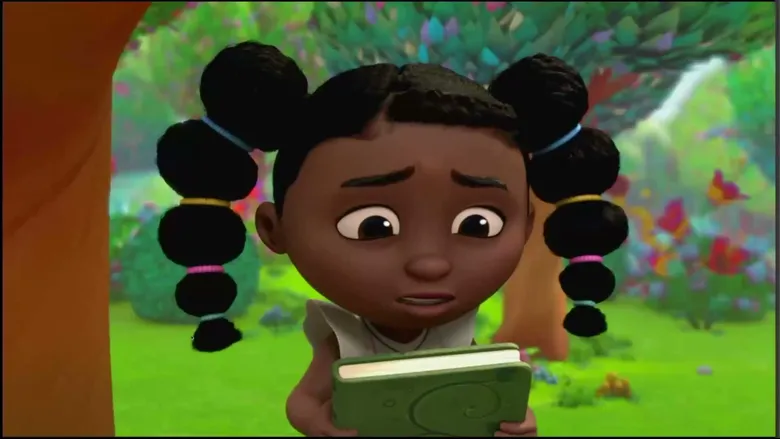
The story is easy to follow. One clear thread runs from Dee's first day at the Wonderful School of Oz to a single shared goal: calming the bubbling cauldron whose star shaped bloops keep spreading. Events arrive in a sensible order with a recognizable beginning, middle, and end, and actions lead to logical results within the world's own rules. The small caveat is that the journey introduces several new places, characters, and magical ideas one after another, which is a fair amount for a two year old to hold onto at once.
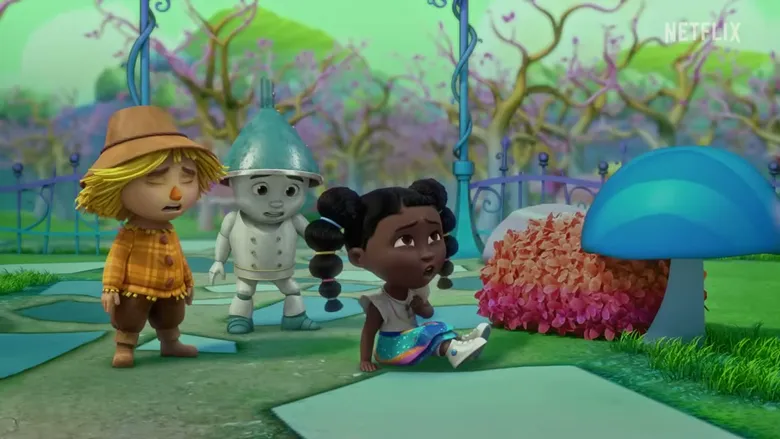
Emotionally this stays calm and reassuring. Dee and her friends treat each other with warmth and support, behave consistently, and there is no mocking or nagging to get their way. The trouble with the cauldron, including a moment when Lion is caught in a floating bubble, creates only mild and manageable worry that is settled with a clear, comforting resolution. The friendly green tinted Witch Village looks a touch spookier than the school, but the kind characters and quick reassurance keep the feeling safe.
There is a real thinking process on show. Dee and her friends name the problem, talk through ideas, and work in steps toward calming the cauldron, and they often invite the child to wonder along with them. They take the lead in deciding to help rather than waiting to be rescued, and their fixes follow recognizable steps instead of instant magic solutions. The one limitation is that the trouble is sparked by an outside magical mishap rather than the children's own goals, which slightly softens the sense of self driven initiative, though the follow through stays strong.
The language fits young listeners well. Sentences are short and clear, the vocabulary is concrete, and story words such as 'cauldron', 'witch', and 'Ozling' are introduced inside situations that explain their meaning. Speech is clear and used consistently, with plenty of describing, explaining, and inviting the child to respond rather than empty exclamations. The small caveat is that a few invented Oz terms sit alongside the everyday words, though the context carries them.
This pillar scores lower because the episode lives almost entirely in a magical world. The central activities, working a magic cauldron and dealing with enchanted bubbles, do not transfer to a child's daily life, and for a two year old the heavy fantasy setting offers little direct link to the real world. What keeps it from scoring lower is the strongly recognizable social side: a first day at school, making friends, and working together are everyday experiences a young child will know. Outside those social moments, the practical real world takeaways are limited.
More information
This score shows how inclusively the series portrays diverse people, families and cultures. Scale: Limited → Varied → Rich → Inclusive.
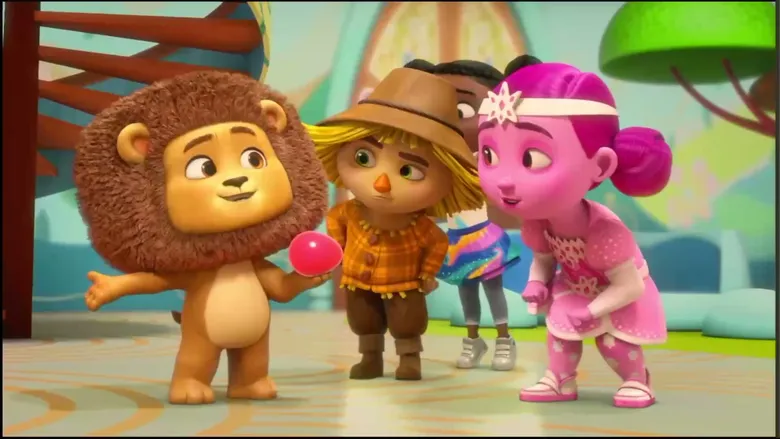
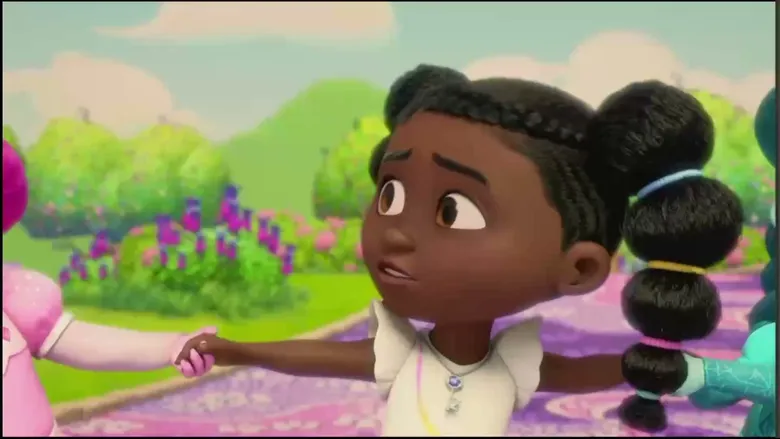
This show centers a young Black girl, Dee, and a broad cast of Black children with many different natural hairstyles, joined by a warm elder figure and a colorful fantasy world inspired by Oz. Diversity feels like a natural part of the story rather than an add-on, and a girl confidently holds the lead role, taking initiative and guiding her friends. Boys and girls cooperate as equals, and the witches are friendly rather than wicked, which sidesteps a familiar cliche. The main limitation is that the human characters come mostly from one cultural background, so the range of ethnic backgrounds is somewhat narrow even as the centering of Black characters is strong.
This score shows whether the series stays close to everyday reality or leans into fantasy. Scale: Fantasy → Mixed reality → Realistic.
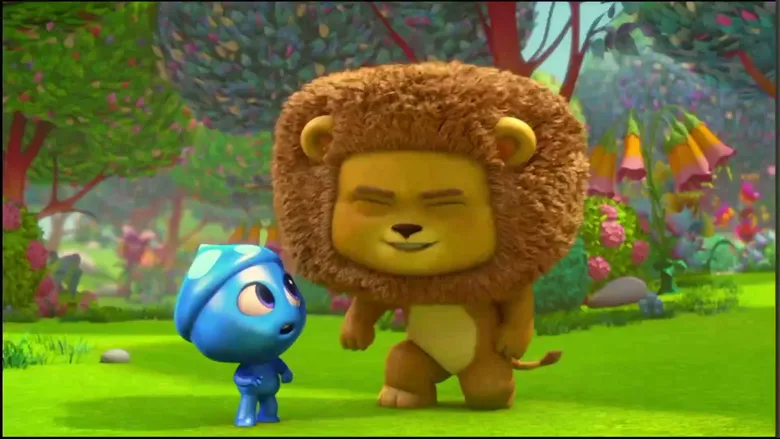
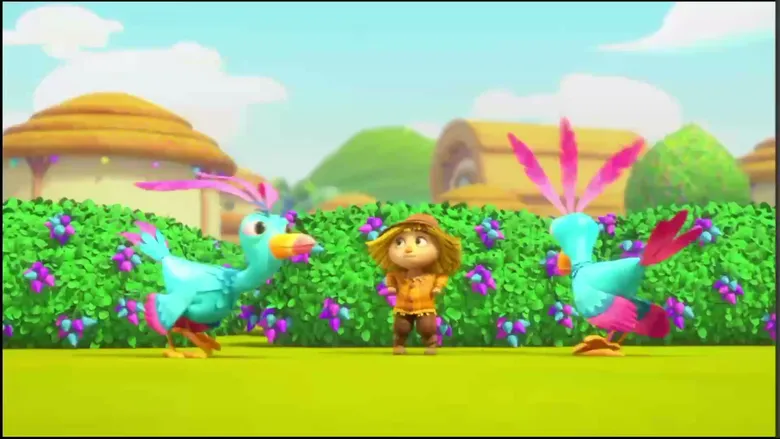
This show plays out almost entirely in the imagined Land of Oz, a magical world of talking creatures, fairies, a sun with a face, and friendly Oz figures such as a lion and a scarecrow. Its conflicts grow from everyday situations like settling into a new school and helping friends, with no recurring villain, and the world keeps its own consistent logic throughout. What holds this subscore back is the heavy reliance on fantasy: at the young age recommended here, where children relate best to mostly realistic stories, this much imagination is a real stretch. The world is gentle and friendship focused, but it fits an older preschooler more comfortably than a toddler.
This score shows how enjoyable the series is for parents watching along. Scale: Tedious → Tolerable → Pleasant → Enjoyable.
This Wizard of Oz reimagining gives parents a clear story to follow and polished, colorful animation that holds up well for an adult in the room. The main draw for a co-viewing grown-up is recognition, since Dee and her classmates are preschool versions of Dorothy, the Scarecrow, the Lion and the Tin Man set in a School of Oz. The humor and dialogue stay squarely pitched at young children, so there is little aimed directly at adults beyond that nostalgic thread. The bright palette and frequent song numbers can wear after repeat viewings, but the production craft keeps the experience pleasant rather than grating.
Dee is a young girl starting her first day at the Wonderful School of Oz, where she joins friends including a young Scarecrow, Lion, and Tin. When a magic cauldron starts bubbling over and its star shaped bloops spread, Dee and her friends travel to Witch Village to fix it. They talk through ideas, free Lion from a floating bubble, and work together to calm the cauldron. The episode is a self contained magical adventure across the colorful land of Oz that ends with the problem solved and the friends back together.