





This program is well-balanced. It remains mostly easy to follow and process. It is a good fit for the recommended age.
The pacing is moderate. The story remains easy for a child to follow.
The sound is intense and continuously present.
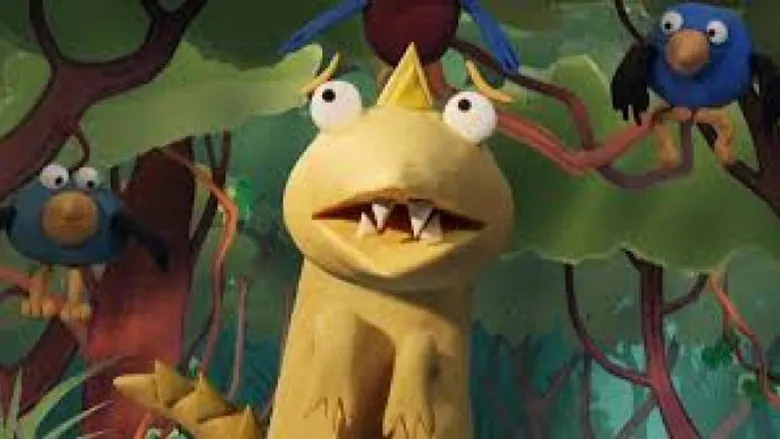
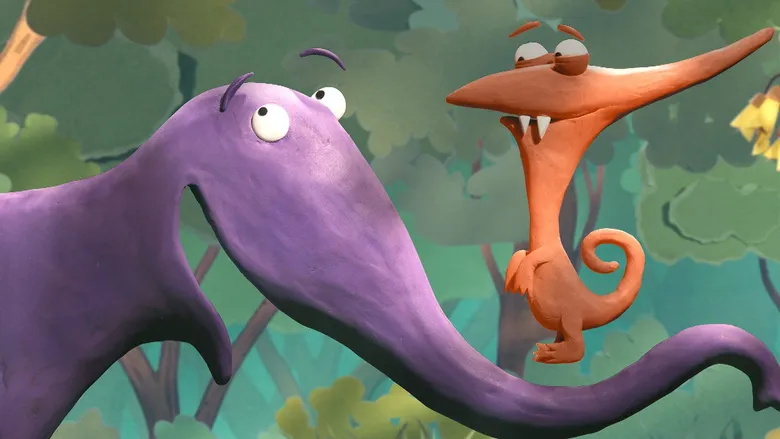
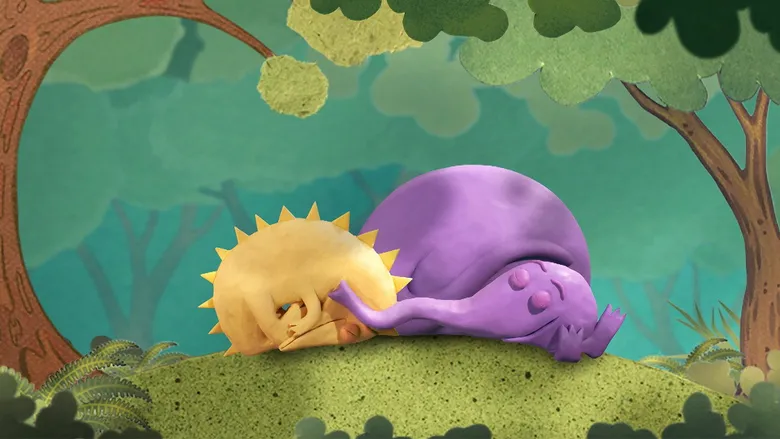
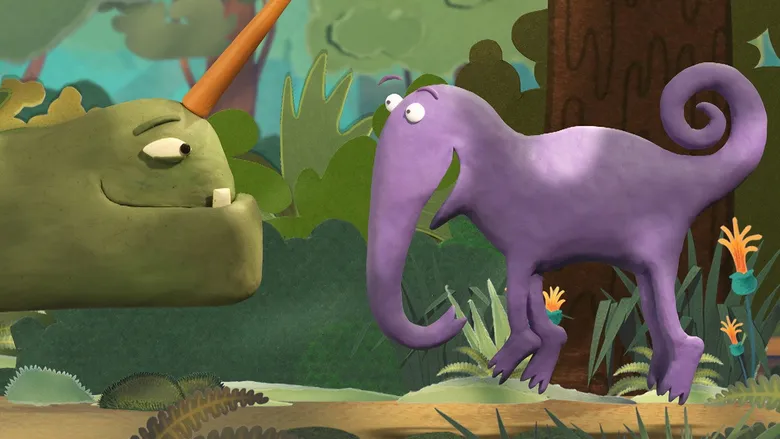
The visuals are calm and well-organized.
The story follows a single clear thread: Kiri feels left out, works through her loneliness, and finds her way back to her friends. Events arrive in a logical order with a recognisable beginning, middle, and end, and each scene introduces just one new idea at a time so a young child can keep up. Actions lead to sensible results, such as Kiri's sad song drawing her friends over to comfort her. A child this age can follow what is happening without getting lost.
This is where the episode is strongest. Emotions are real but gently handled: Kiri's loneliness is shown honestly, yet her friends respond with warmth, repeating 'We're here' and 'We do, we really do' to reassure her. When she asks to be left alone, the others respect it, with one noting 'I think she needs some space', which models attuned and respectful behaviour. The sadness is resolved within the episode as Kiri is welcomed back to play, leaving a child feeling safe rather than unsettled.
Kiri shows real initiative in facing her problem. Rather than staying stuck, she thinks it through aloud, wondering 'Maybe I need an imaginary friend' and then trying it out for herself. The thinking process is visible and fits her age, though the resolution leans partly on Lou returning to invite her along rather than on Kiri solving everything alone. Still, a child sees a character name a feeling, try out an idea, and act on it.
The language is clear and well matched to a young child, built from short everyday lines like 'What you doing?' and 'Nothing much'. The dialogue is purposeful, explaining who characters are and carrying the emotional story, and the voices are easy to understand. A few richer ideas appear, such as 'imaginary friend' and 'my imagination is amazing', alongside friendly Maori words like 'Ka-pai' (meaning good), which add interest even if they stretch a three-year-old a little. The words are used consistently and meaningfully throughout.
The social and emotional content here is genuinely recognisable: feeling left out, being comforted, wanting space, and using imagination are all situations a young child knows from their own life. What holds this pillar back is that the world itself is invented, prehistoric creatures talking in an imagined forest, with an imaginary friend that tickles for real, so the literal actions are not things a child can copy at home. The strongest transferable lesson is emotional rather than practical. As a result the everyday, hands-on usefulness stays limited even though the feelings ring true.
More information
This score shows how inclusively the series portrays diverse people, families and cultures. Scale: Limited → Varied → Rich → Inclusive.
Kiri and Lou tells its story entirely through prehistoric forest creatures, so the familiar human markers of diversity such as different ethnicities, family set-ups, ages and body types are not shown. What stands out instead is the cultural grounding: the characters speak New Zealand English and weave in Te Reo Māori words like 'Ka-pai', a genuine and uncommon form of inclusion in children's media. Where the show is strongest is in how its characters behave, with the bold, adventurous lead voiced as a girl while the gentle, big-hearted friend is voiced as a boy, quietly flipping the usual gender expectations. Feelings like jealousy, loneliness and joy move freely across all the characters, and they treat each other as equals.
This score shows whether the series stays close to everyday reality or leans into fantasy. Scale: Fantasy → Mixed reality → Realistic.
This episode of Kiri and Lou stays close to a young child's real emotional world while telling its story through a cast of talking forest creatures. There is no villain at all; the gentle tension comes entirely from feelings like loneliness and the wish to be included, and it resolves through kindness rather than conflict. The light fantasy, talking animals and the idea of an imaginary friend, stays consistent and never overwhelms the grounded emotions. For this young preschool age, the mix of mostly realistic situations with a small touch of imagination sits comfortably.
This score shows how enjoyable the series is for parents watching along. Scale: Tedious → Tolerable → Pleasant → Enjoyable.
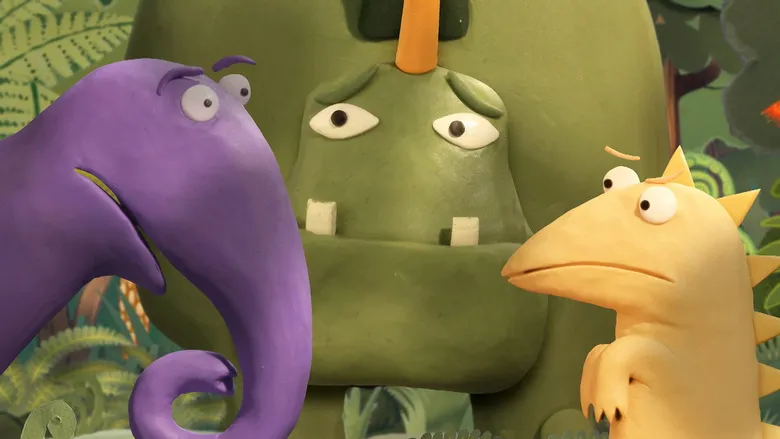
This is a rewarding watch for a parent in the room. The hand-crafted stop-motion forest, the original melodic songs, and the dry comedy give adults real things to enjoy alongside their child. The story about an imaginary friend, and a character who insists on singing a 'lonely song' entirely alone, carries genuine warmth and a few quiet laughs. The humour stays understated rather than loud, and the soft voices and warm, muted colours make this easy, pleasant company throughout.
Kiri, a small dinosaur, learns that her friend Lou has an imaginary friend named Dalvanius and begins to feel left out. Alone in the forest, she sings a 'Lonely Song' about having no one to play with, and her forest friends gather to comfort her and remind her she is not alone. After asking for some space, Kiri tries imagining her own friend and is delighted when the pretend play feels real. The episode ends as Lou invites her to come and play, and she rushes off to join in.