

















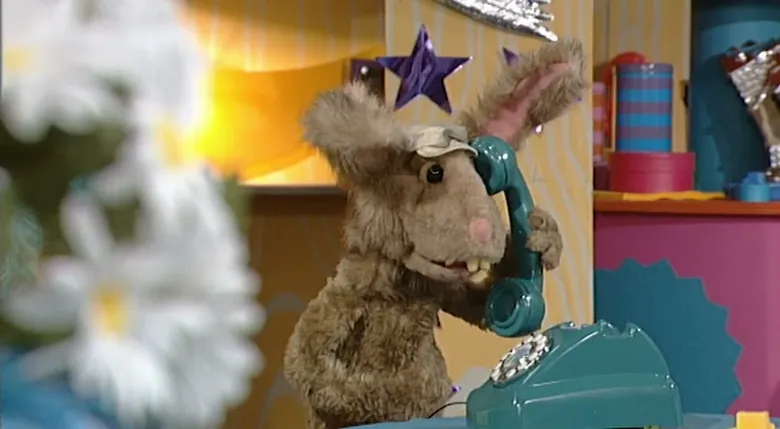
This program is well-balanced. It remains mostly easy to follow and process. It is a good fit for the recommended age.
The pacing is fast. Images follow each other quickly, leaving little time to pause and take in what is happening.
The sound is clearly present and regularly draws attention.
The visuals are busy, with a lot of movement and frequent changes.
One simple thread carries the whole episode: a mole wants a sign pointing to his garden, then realises he needs the garden itself. Each need leads logically to the next, a sign, then a fence, then flowers, grass, bees, butterflies and finally a bird in a tree, so the story builds one clear step at a time. New ideas arrive singly and with plenty of repetition, which keeps it easy for a young child to follow. The gentle running joke about Puppyduck's own garden sits alongside the main thread without pulling attention away from it.
This episode stands out for how steady and kind its emotional world is. Mopatop is patient and attentive with every customer, the mole is met with friendliness rather than frustration, and no one is frightened, shouted at or upset. The few small hitches, a missing fence or a garden that still needs one more thing, are settled warmly and right away, so any little worry passes quickly. Characters behave the same way from one moment to the next, which makes the whole shop feel safe and predictable.
The mole arrives with his own wish, and the episode works through it piece by piece, with the characters reasoning out loud about what a garden actually needs. Puppyduck shows real cause-and-effect thinking, pointing out that flowers bring bees and butterflies, so the garden comes together in visible steps rather than appearing by magic. The mole keeps driving the requests himself, which gives him genuine initiative. The caveat is that Mopatop and Puppyduck do much of the figuring out, so the mole tends to follow their lead more than he puzzles things through on his own.
The dialogue is clear and well spoken, built from short conversational sentences and concrete words a young child knows, like garden, fence, flowers and bees. Mopatop names each object plainly, and the repeated phrase 'this way to the garden' reinforces meaning rather than padding. Most lines carry real information or description, with only a little playful filler such as the string of 'oh's as a parcel is handled. The garden song adds a few richer words like bone china, while the surrounding talk keeps everything grounded.
The garden theme connects to something real, knowing that a garden holds flowers, grass and insects, and the shop models everyday ideas like asking for help and choosing what you need. The limitation is that the gardening is talked about rather than done, so a child hears the pieces named but never sees the planting or building itself. The world is also entirely one of talking puppet animals, and parts of it are deliberately silly, such as Puppyduck growing teapots and toothpaste, which loosens the link to real life. The recognisable shop-and-customer dynamic is the strongest thread a child can carry into their own day.
More information
This score shows how inclusively the series portrays diverse people, families and cultures. Scale: Limited → Varied → Rich → Inclusive.
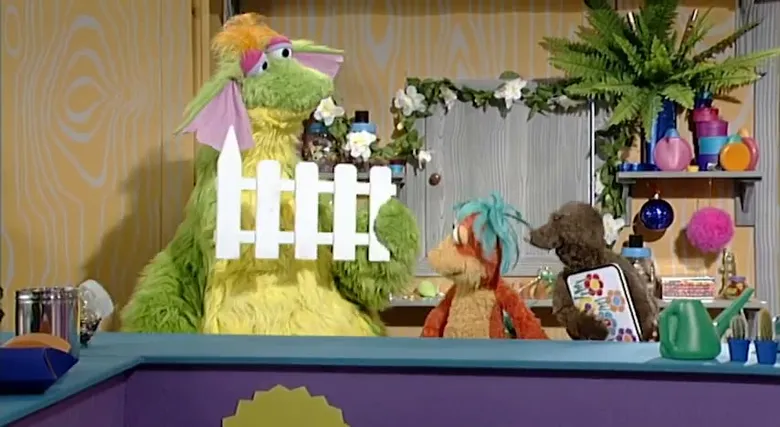
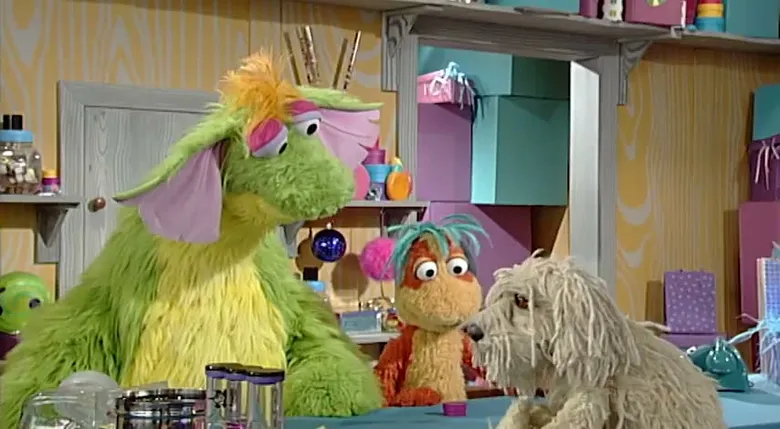
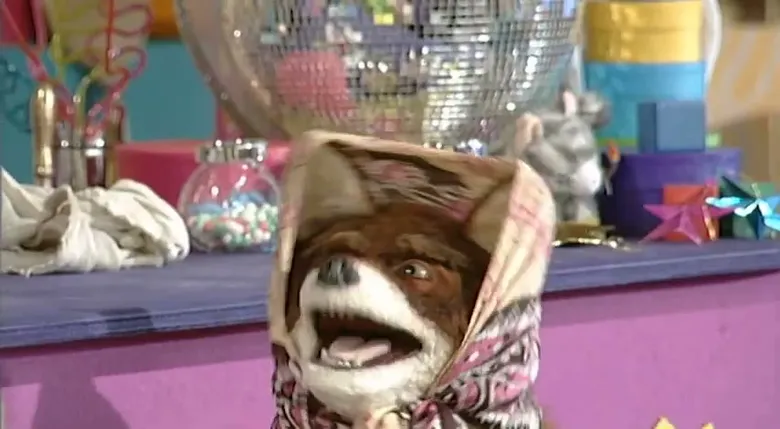
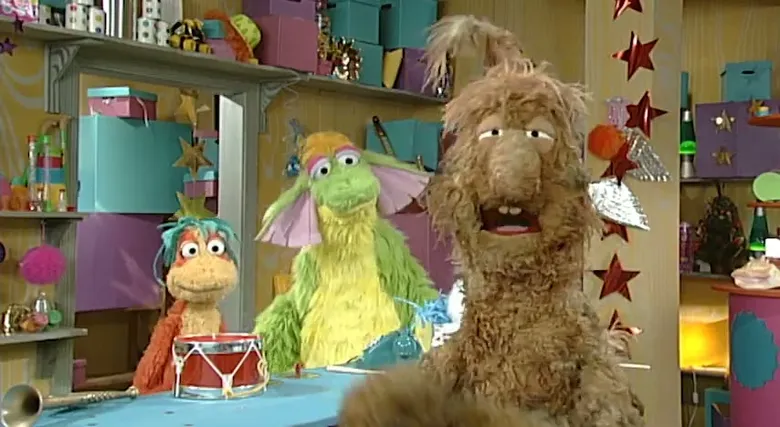
The cast is a group of animal puppets gathered in a single shop: a green shopkeeper named Mopatop, his assistant Lamont, a duck character called Puppyduck, a mole customer named Rolly Moly, and a mouse family passing through. Both male and female characters take part and the interactions stay friendly and cooperative throughout. The picture is limited in two ways: the action never leaves the one shop, so there is little variation in homes, backgrounds or ways of living, and the male shopkeeper holds most of the initiative while Puppyduck is repeatedly asked to wait before she can speak. The overall result is warm but fairly narrow.
This score shows whether the series stays close to everyday reality or leans into fantasy. Scale: Fantasy → Mixed reality → Realistic.
Mopatop Shop stays close to a child's real world: a busy shop full of things to buy, a stream of customers, and the simple project of making a garden with flowers, grass, bees and butterflies. There is no villain anywhere. The gentle story comes from everyday problems, like a mole needing a sign and then a fence before he can have a garden, with Mopatop patiently helping each visitor. The main flights of imagination are the talking puppet characters and a playful song about a garden that grows teapots, cars and pyjamas, which the story itself treats as make-believe and corrects with real garden things. For a young preschooler this grounded, lightly imaginative mix sits comfortably in range.
This score shows how enjoyable the series is for parents watching along. Scale: Tedious → Tolerable → Pleasant → Enjoyable.
This is a Jim Henson puppet shop where Mopatop and Puppyduck help a mole, Rolly Moly, work out what a garden actually needs. The craft is the strong point, with expressive puppetry, a densely detailed set and a warm, unhurried narrator voice that sits easily in the room for an adult. The story carries a small logical thread a grown-up can follow, and the garden song that swaps flowers for teapots and stripy pajamas offers parents a moment of their own. A few stretches lean repetitive, but very little here grates on adult ears.
Themes
Gardening
Central
The mole builds a garden with flowers, grass, bees, butterflies and a bird in a tree
Shopping
Central
Mopatop runs a shop and serves the mole a sign, a fence and garden items
Mopatop runs a shop where he promises to find whatever a customer could think or dream of. A mole named Rolly Moly comes in wanting a sign that reads 'this way to the garden', then a fence, before realising he has no garden at all. With Mopatop and his garden-loving assistant Puppyduck, he builds one piece by piece, adding flowers, grass, bees, butterflies and a bird in a tree. When the big clock signals closing time, the mole heads off with his finished garden and Mopatop waves him goodbye.