




This program is well-balanced. It remains mostly easy to follow and process. It is a good fit for the recommended age.
The pacing is fast. Images follow each other quickly, leaving little time to pause and take in what is happening.
The sound is clearly present and regularly draws attention.
The visuals are well-balanced, with a clear overall view.
The episode follows one clear thread: Two arrives, finds a missing pair, and shows One that things work better together. Events follow each other in a recognisable beginning-middle-end, with a clear cause-and-effect link in each verse (one shoe alone, two shoes dancing). The small caveat is that the song packs many pair examples (socks, tandem, swings, duet, wings) into a short stretch, which can become slightly dense for a two-year-old to track.
The emotional climate is warm and steady from start to finish. Two is enthusiastic and supportive ('No, two. These are for you. They belong together. Like friends.'), and One responds with curiosity rather than frustration. There are no scary moments, no mocking jokes, and the closing 'Best friend' exchange offers a soft, reassuring landing for the viewer.
The episode works overall, but the limitation is that solutions arrive through demonstration rather than through visible thinking. Two simply shows One that two shoes let you dance, two wings let you fly, and two friends make the swing fun, instead of trying, failing, and adjusting. The cause-and-effect logic ('with one the swings are boring, cause you need a friend to give you a push') is clear, yet the song format leaves little room for a step-by-step problem-solving process.
The words and sentences are well-matched to a two-year-old: short, concrete, and rhythmic ('One sock', 'Two shoes', 'My very own pair of shoes'). Vocabulary stays consistent and meaningful, with the word 'two' anchored to clear visual examples each time. A small nuance: the song does include a few more abstract turns of phrase ('imagine all the crazy things we can do'), which sit slightly above the literal level a toddler grasps.
The pairing concept itself is useful and transfers to real life (socks, shoes, friends, swings), and the friendship dynamic is recognisable. What holds this pillar down is that the world is fully abstract: the characters are talking number blocks, and one verse even shows them flying with wings, which sits above the 'mostly realistic with light imagination' bar for this age. The everyday activities depicted (eating at a table, kicking a ball, playing on the swings) do give a child concrete hooks to recognise, but the fantasy framing limits how much the content connects to the real world.
More information
This score shows how inclusively the series portrays diverse people, families and cultures. Scale: Limited → Varied → Rich → Inclusive.
Numberblocks Two is built entirely around abstract block characters in a minimal pastel landscape, so there are no humans, families, or cultural settings to draw on for diversity of presence. Within that limited cast, the two main characters share screen time, initiative, and emotional range as equal companions. Parents should know this is a math-focused show that simply does not engage with human representation, even though the roles between its characters are balanced.
This score shows whether the series stays close to everyday reality or leans into fantasy. Scale: Fantasy → Mixed reality → Realistic.
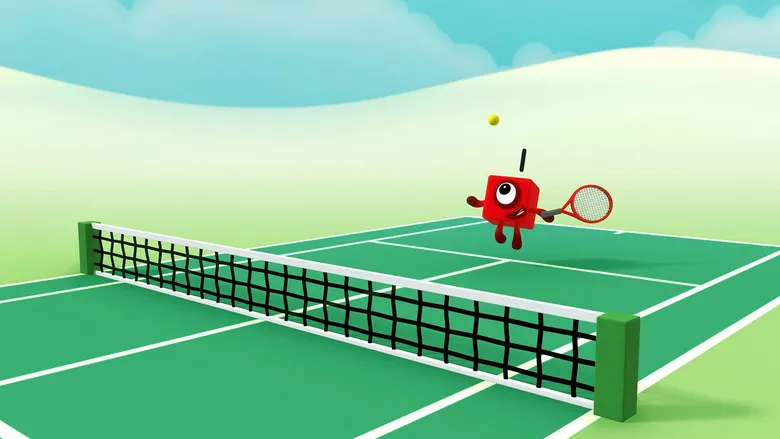
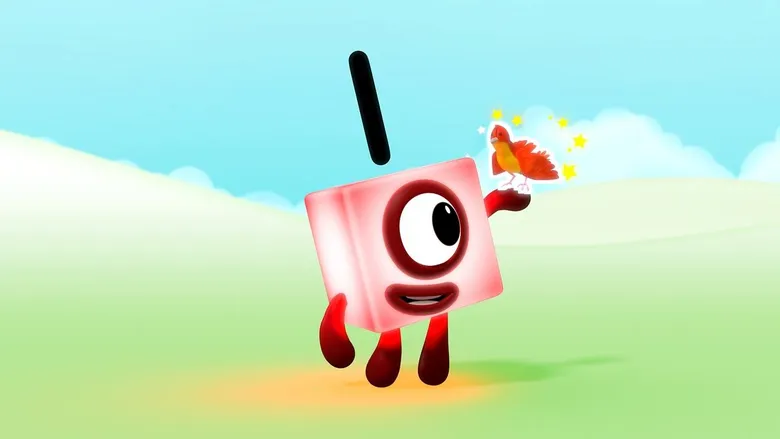
Numberblocks 'Two' takes place in a fully animated world where living number-shaped characters with eyes and limbs sing, dance, and even sprout wings to fly. The activities the blocks explore (pairing socks and shoes, kicking a football, riding a tandem, swinging at the playground) are recognisable from everyday life, but the characters and setting are pure fantasy. There is no villain anywhere in the episode; the only tension is the simple problem of one sock or one shoe needing a partner. The fantasy stays internally consistent throughout, though the heavy stylisation pushes harder into imagination than the band 'mostly realistic, light imagination' usually suggests for a 2-year-old.
This score shows how enjoyable the series is for parents watching along. Scale: Tedious → Tolerable → Pleasant → Enjoyable.
This episode of 'Numberblocks' is built around a single educational song about pairs, with a polished BBC-style production and catchy melody. The plot is thin and song-driven, the humor is pitched squarely at preschoolers, and the refrain 'one, two, one, two' repeats often enough that an adult in the room will notice. The craft itself is strong, but there is little for a parent to latch onto beyond the production values.
Themes
Numbers
Central
The whole episode focuses on the number two, counting socks, shoes, and friends.
Pairs
Central
Two explains pairs by showing 'one sock' then 'two socks' and 'two shoes that belong together'.
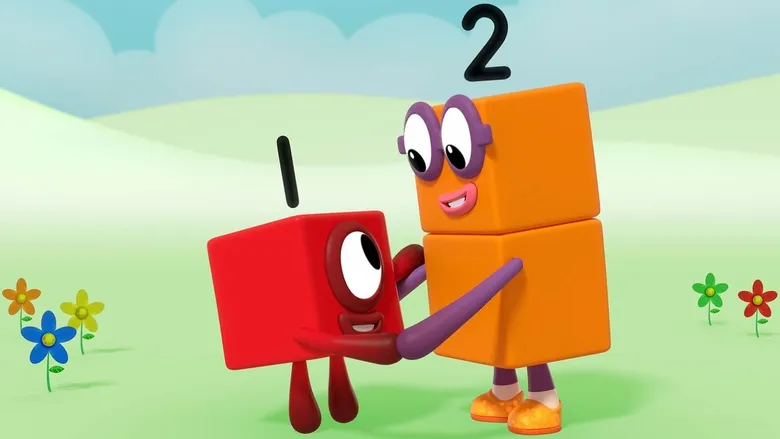
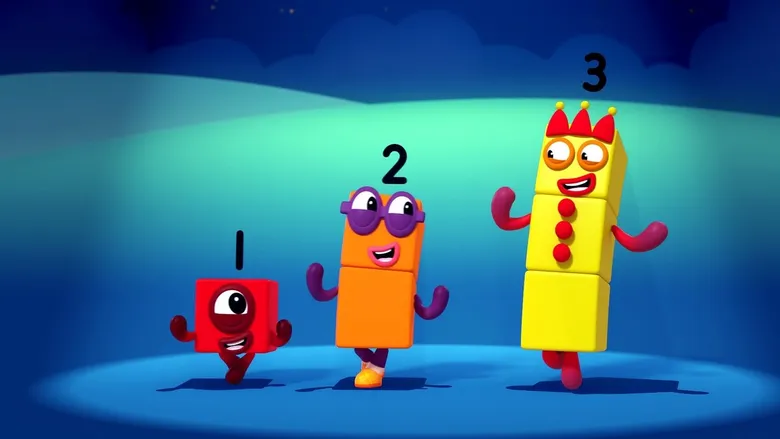
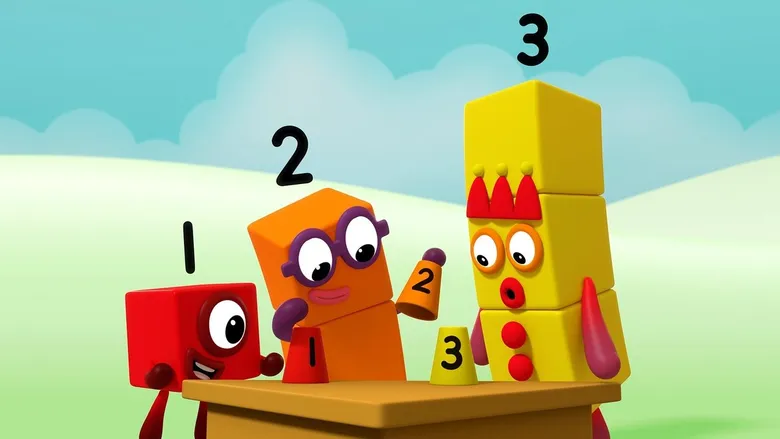
Two arrives in the grassy Numberblocks world after One has been puzzling over a single sock and a single shoe. Two reveals a pair of dancing shoes and sings 'Everything is better with two', showing One that pairs of socks, shoes, friends, swings, bikes, and even wings work better together. The pair dance, eat, play soccer, swing, and fly through a series of song verses. The episode closes quietly with the two calling each other 'best friend' before the credits.