

















This program is well-balanced. It remains mostly easy to follow and process. It is a good fit for the recommended age.
The pacing is fast. Images follow each other quickly, leaving little time to pause and take in what is happening.
The sound is intense and continuously present.
The visuals are well-balanced, with a clear overall view.
One clear storyline carries the whole story: a father, his young hare and a little mouse set out to find a blossom tree and then find their way home. Events follow each other in a logical chain, from spotting blossoms in the stream to solving each riddle in turn to reaching the tree, with a clear beginning, middle and end. Actions lead to predictable results the child can follow, such as the blossoms floating downstream because they fall from the tree upriver. The riddles add a little extra to hold in mind at once, which is the main thing that asks more of the very youngest viewers.
The tone stays warm and reassuring from start to finish. Big Nutbrown Hare is patient and encouraging, answering questions kindly and comforting the little ones when their legs grow tired. Feelings stay gentle, moving softly between curiosity, delight and mild worry about getting home before dark, and each small concern is settled quickly and calmly. The closing exchange about how much love is 'as big as a mountain' leaves the child on a tender, secure note.
The two young characters do real thinking on screen. They puzzle out each riddle step by step, working out that an uphill path is the true way and that a pointing rock shows the direction, and they take turns trying to solve the clues themselves. The biggest moment of independent reasoning comes when Little Nutbrown Hare realises the blossoms in the stream come from the tree, so following the water leads home a quicker way. Initiative sits mostly with the children, though the father sets up the journey and offers the riddles, so some of the drive still comes from him.
Speech is clear and well formed, with complete sentences and words used correctly and consistently throughout. The story leans on describing, explaining and gentle instruction rather than empty exclamations, which gives the language real purpose. The catch for a two-year-old is the vocabulary and the riddle phrasing: words like 'boulder', 'riddle' and 'obey', and rhyming clues such as 'where the path becomes two, uphill is true', sit a step above what the youngest in this band will fully grasp. Older toddlers and preschoolers will follow it comfortably.
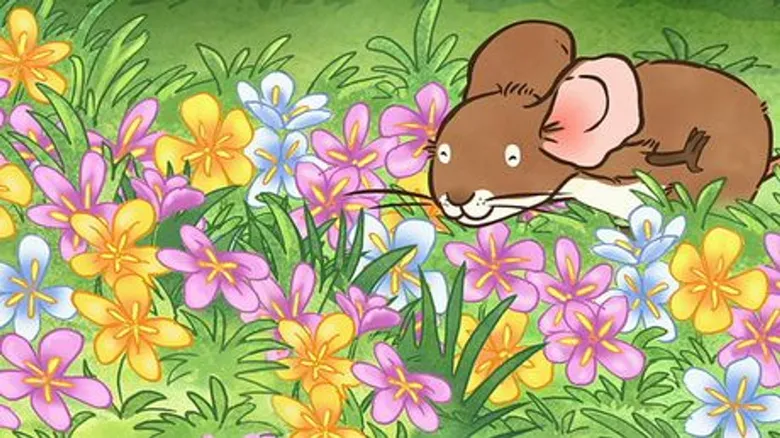
The world is recognisable spring nature, streams, meadows, rocks and a flowering tree, but the characters are talking hares and a mouse, which keeps it from being fully grounded in the child's own daily life. A few activities do carry over, such as making a flower necklace, catching falling leaves and noticing where a stream flows, and the family bond and turn-taking mirror real relationships. Much of the story, though, is a journey through an imagined animal world with poetic riddles rather than concrete everyday tasks a toddler could copy. The recognisable parent-child warmth is the strongest real-world thread running through it.
More information
This score shows how inclusively the series portrays diverse people, families and cultures. Scale: Limited → Varied → Rich → Inclusive.
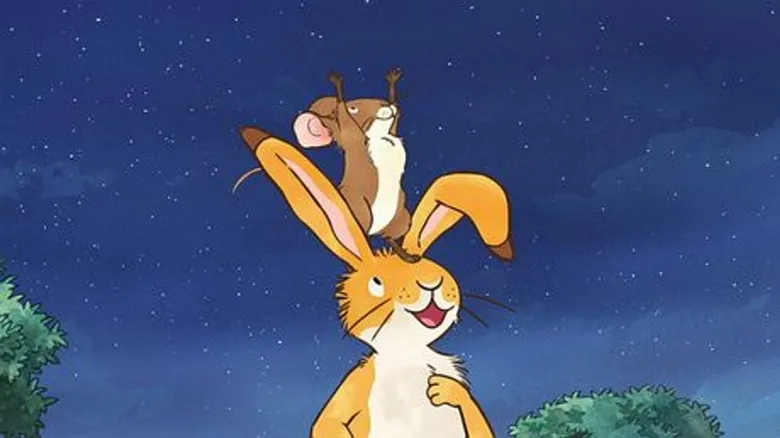
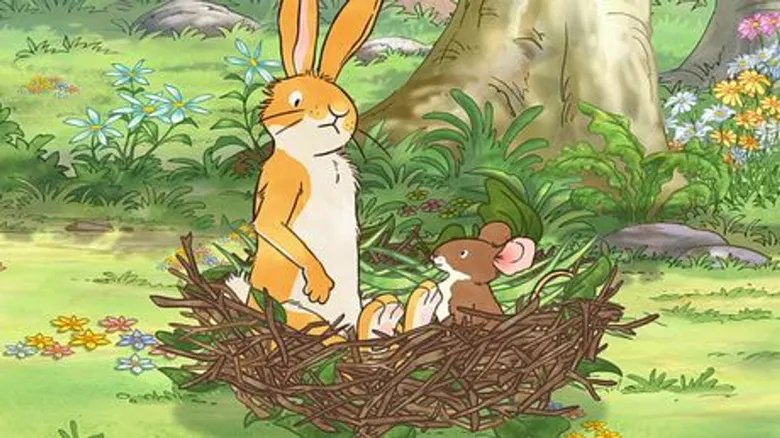
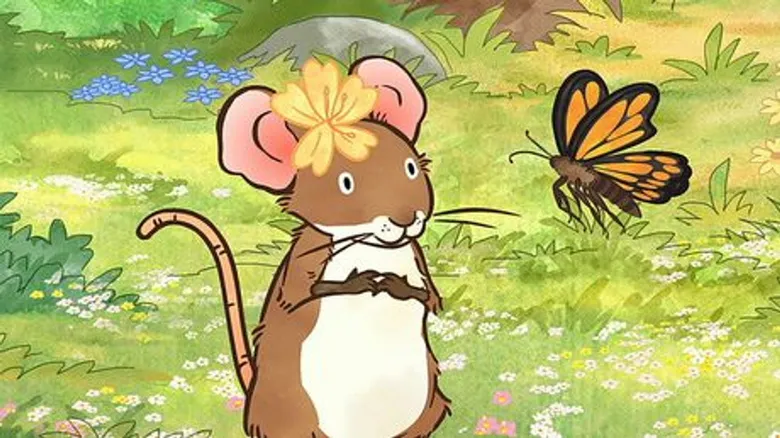
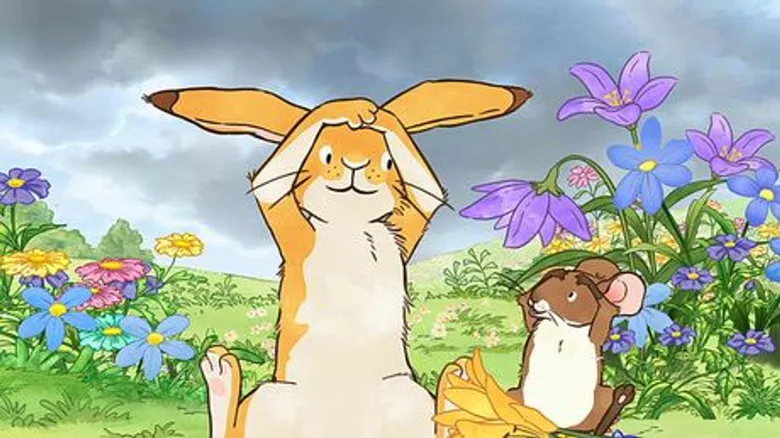
The cast is small and made up entirely of animals: Little Nutbrown Hare, his father Big Nutbrown Hare, and their friend Little Field Mouse. There is no visible human variety of background, age range, family form or life-world, so the picture of who is present stays narrow. Within that small group, the two young characters share the adventure on equal footing, both racing to solve the riddles, while the father acts as a warm guide rather than the one who does everything. The result is a tender family and friendship story that treats its characters fairly, but offers little breadth of representation.
This score shows whether the series stays close to everyday reality or leans into fantasy. Scale: Fantasy → Mixed reality → Realistic.
This episode stays close to a world a young child recognizes: a spring countryside of meadows, streams and a blossom tree, where a father and his little one play, walk a long path together and puzzle out simple riddles. The only step beyond real life is that the hares and field mouse talk and act like people, and that gentle touch runs consistently through the whole journey. There is no villain and no good-versus-bad framing; the only challenge is finding the way, which the characters solve by thinking together. For a two-year-old this mostly realistic mix with the lightest touch of imagination sits comfortably.
This score shows how enjoyable the series is for parents watching along. Scale: Tedious → Tolerable → Pleasant → Enjoyable.
This is an easy episode to sit through as a parent. The craft is soft and consistent, the watercolour spring settings are pleasant to look at, and there is nothing shrill or repetitive to grate on adult ears. The journey to the blossom tree carries a light but genuine plot with a few riddles to solve, so there is something to follow. It stays pitched at the child throughout, with little aimed directly at a grown-up beyond the warmth of the father and child's bond.
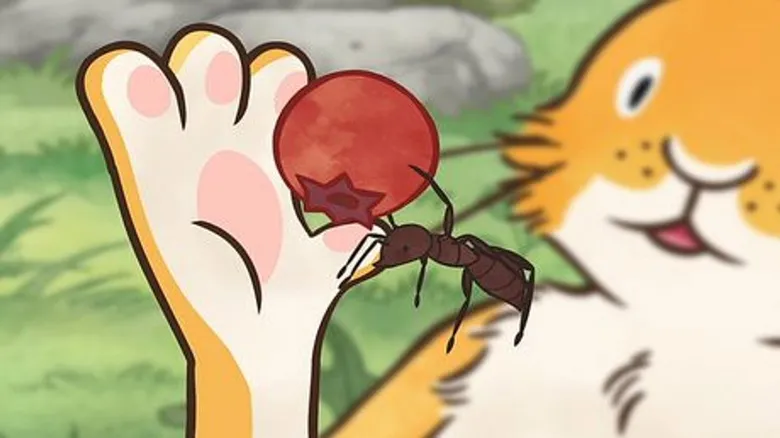
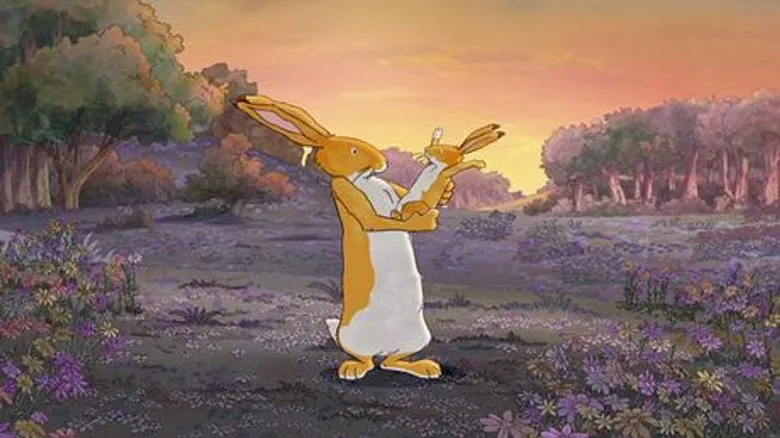
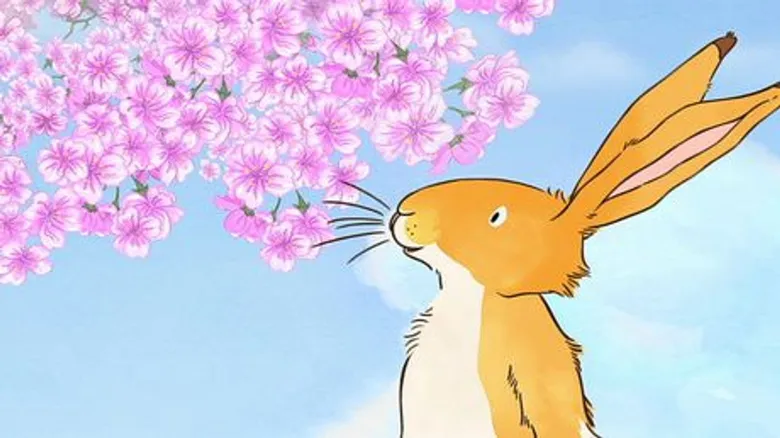
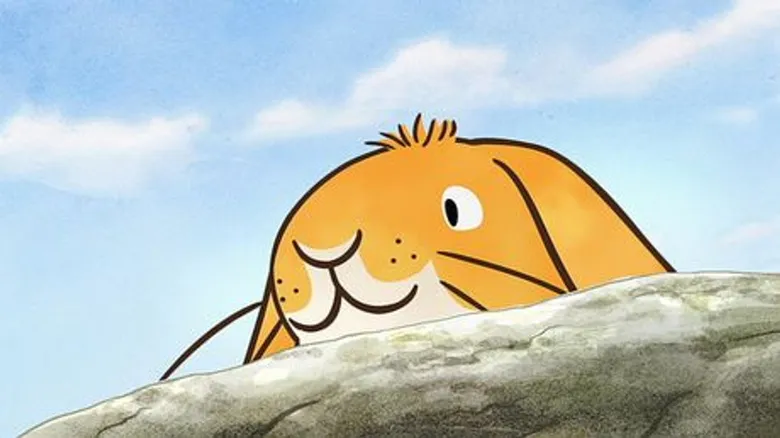
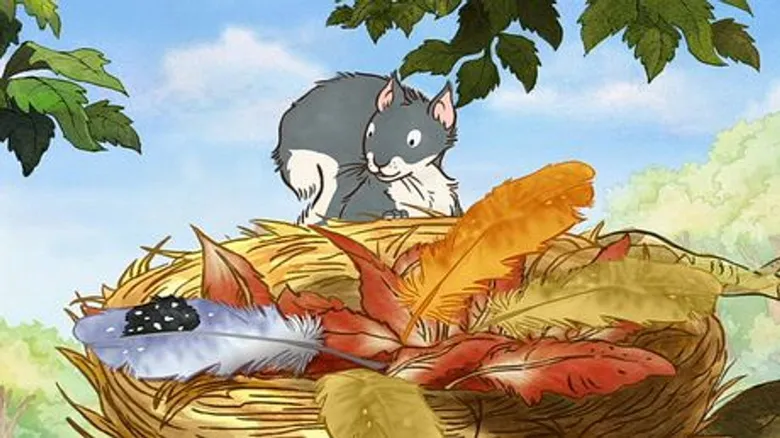
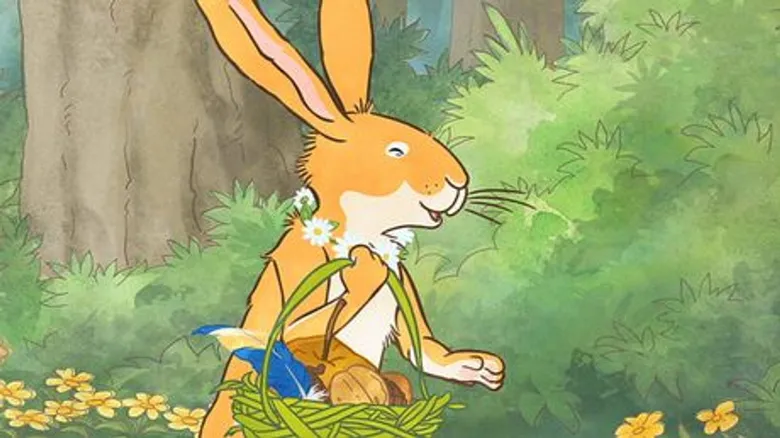
Little Nutbrown Hare, his father Big Nutbrown Hare and Little Field Mouse follow blossoms floating in a stream and set out on a springtime journey to find the blossom tree they came from. Along the way the father shares riddles, and the children work out each clue to climb the hill and reach the flowering tree. On the way home they realise the stream will carry them back the way the blossoms came, a quicker route. The story ends back where they began, with a tender exchange about how much they love each other.