











This program is well-balanced. It remains mostly easy to follow and process. It is a good fit for the recommended age.
The pacing is fast. Images follow each other quickly, leaving little time to pause and take in what is happening.
The sound is intense and continuously present.
The visuals are well-balanced, with a clear overall view.
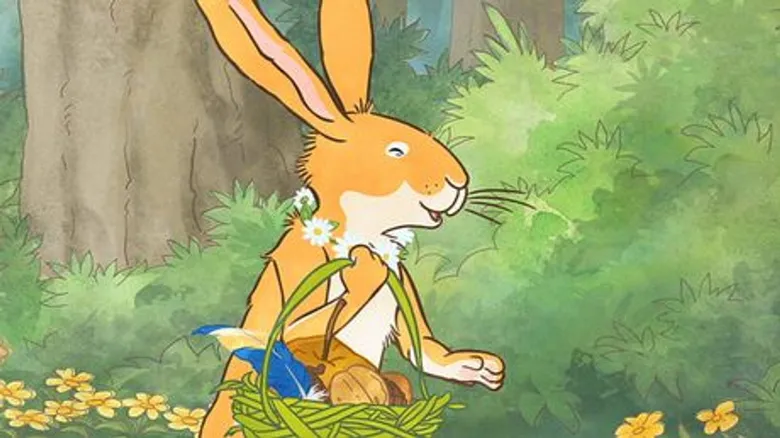
One clear thread runs the whole way through: Little Nutbrown Hare notices a special smell and sets out to find where it comes from. Events follow in an easy order, from waking up, to searching flower by flower, to the discovery the next morning that the smell is springtime itself, so a young child can follow every step. New information arrives slowly, usually one flower or one idea at a time, which keeps the story easy to hold in mind. The closing explanation of why spring smells different to winter ties the cause and its effect together plainly.
The mood stays warm and steady from start to finish, built on the bond between Little Nutbrown Hare and Big Nutbrown Hare and the easy friendship with Little Field Mouse. Characters support and reassure each other; when the hare is sad about not finding the smell, Big Nutbrown Hare says 'Don't worry, maybe you'll find it tomorrow' and settles him for the night. A brief 'Boo!' startle is answered right away with laughter, so any tension resolves in the same moment. Feelings shift gently rather than swinging from one extreme to another.
Little Nutbrown Hare drives the whole search himself, deciding 'I'll go and find what's making this special smell and I'll bring it back for you.' He tries out ideas aloud, reaching up high then down low, and tests each flower against the smell he is chasing, judging every one as close but 'not exactly it.' The resolution comes through his own realisation that the smell is all of spring's scents rolled into one, and the story spells out the reasoning that flowers, grass and fresh leaves are what make spring smell new. The thinking stays simple and the ending arrives more by patient discovery than by a worked-through plan, which suits a very young viewer.
The language is clear and centres on a small, concrete set of sense words, sweet, fresh, pretty, woody, that repeat often enough for a toddler to latch onto. Dialogue is spoken cleanly with gentle turns between the characters, and most lines are complete, well-formed sentences that describe what the hare smells and thinks. A few descriptions reach a little higher, such as 'juicy grass roots and fresh spring leaves,' which sits at the upper edge for a two-year-old but stays vivid and understandable. Most of the talk carries real meaning about the search rather than empty exclamations.
The activities at the heart of the episode, smelling flowers, noticing how the seasons change, exploring a meadow and a creek, connect directly to things a child can do outdoors, and the idea that spring brings new scents is a real-world lesson. The story also models a warm social point when the two friends disagree over a smell and settle it with 'I guess we don't all like the same things, because we're different.' The characters are talking animals, so the world carries a light layer of imagination, but the setting and the actions themselves stay grounded in real nature. Much of the runtime is contemplative sniffing and wandering, so the practical, do-it-yourself takeaway is gentle rather than strong.
More information
This score shows how inclusively the series portrays diverse people, families and cultures. Scale: Limited → Varied → Rich → Inclusive.
This is a quiet nature story set in a meadow and woods, following a young hare, an older hare, and a field mouse as they search for the special smell of spring. The world is populated entirely by a few woodland animals, so there is no variety in cultural background, family forms, ages, or body types of the kind children see in stories about people. Within that small cast, the characters relate warmly and cooperate as equals, with both the young hare and the field mouse taking initiative and showing a full range of feelings. The story even pauses on a gentle idea that it is fine to like different things because we are all different, though the overall breadth of who is shown stays narrow.
This score shows whether the series stays close to everyday reality or leans into fantasy. Scale: Fantasy → Mixed reality → Realistic.
This story stays close to a child's real world. Two hares and a field mouse spend a spring day in a meadow and woods, sniffing real flowers like hyacinths, orange blossom and bluebells, and noticing how the season smells different from winter. The only imagined element is that the animals talk and think like people; everything else, the plants, the seasons, the creek and the old tree, is drawn from nature a small child could recognise. There is no villain and no danger, just a gentle search that ends with a happy discovery, which fits a two-year-old very well.
This score shows how enjoyable the series is for parents watching along. Scale: Tedious → Tolerable → Pleasant → Enjoyable.
The craft here is the reward for a watching adult. The hand-painted watercolor look, soft spring palette and unhurried camera make it easy on the eyes and ears, so being in the room is pleasant rather than something to endure. The story itself is slight, a day-long hunt for a mysterious spring smell that resolves the next morning, and the humor stays firmly child-pitched, so a grown-up watches for the mood rather than the jokes. Enjoyable to sit beside, even if there is little aimed squarely at you.
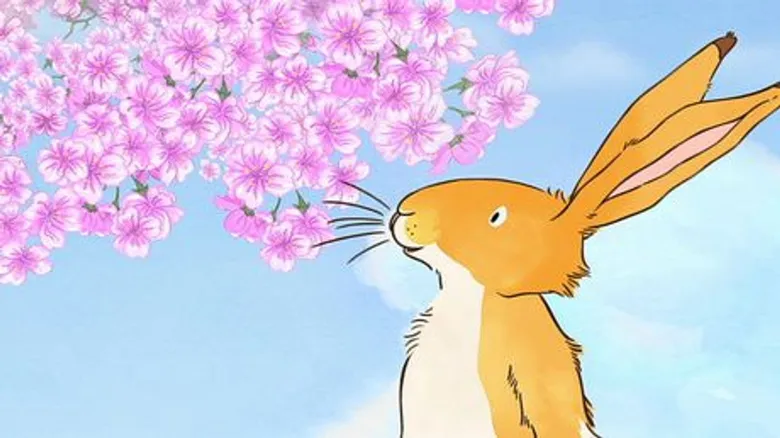
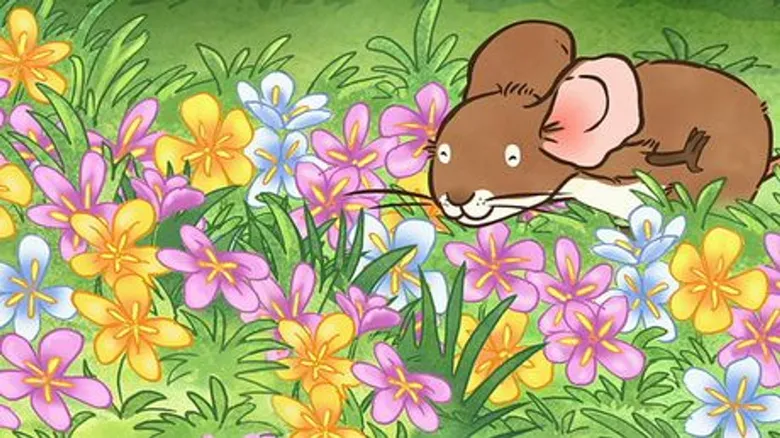
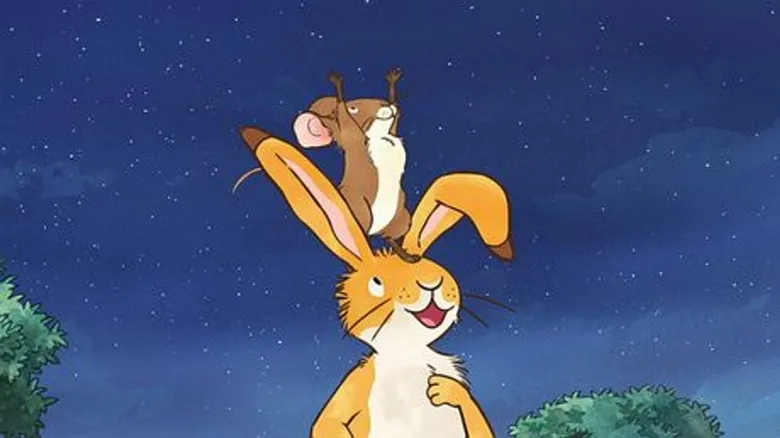
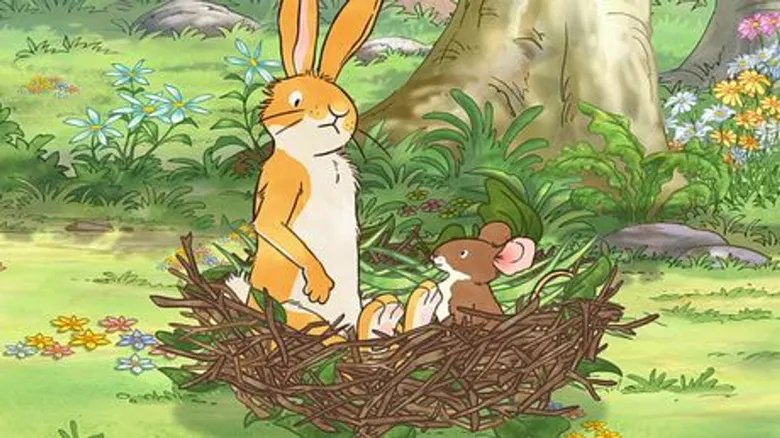
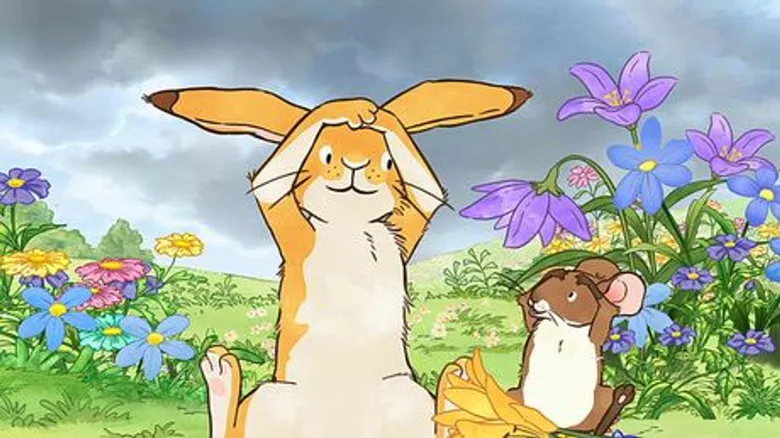
Little Nutbrown Hare wakes on the first morning of spring and notices a special new smell in the meadow. He sets out with Little Field Mouse to find its source, smelling hyacinths, bluebells and orange blossom, and exploring the woods and creek, but nothing is quite right. That night he goes to bed disappointed, comforted by Big Nutbrown Hare. The next morning he realises the special smell is all the scents of springtime rolled into one, and the two hares end with their 'Guess how much I love you' exchange.