
















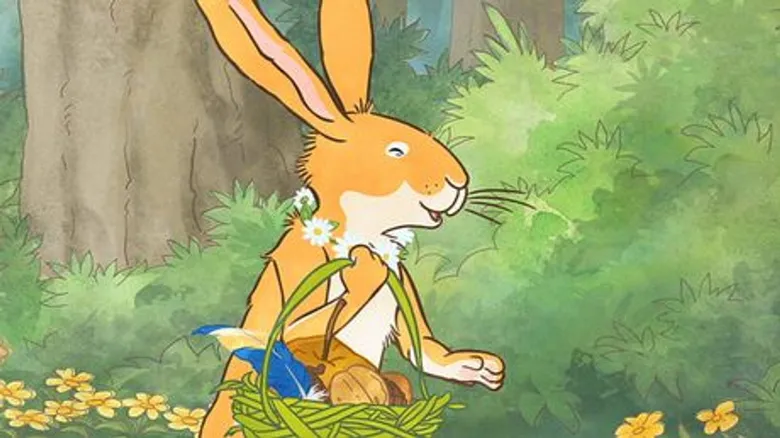
This program is well-balanced. It remains mostly easy to follow and process. It is a good fit for the recommended age.
The pacing is fast. Images follow each other quickly, leaving little time to pause and take in what is happening.
The sound is intense and continuously present.
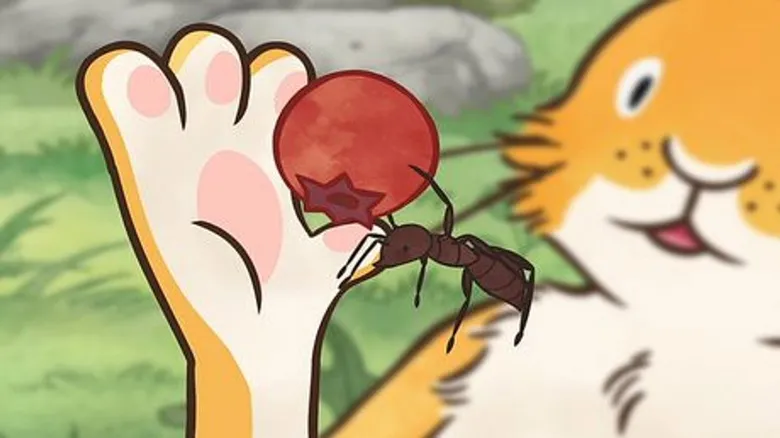
The visuals are well-balanced, with a clear overall view.
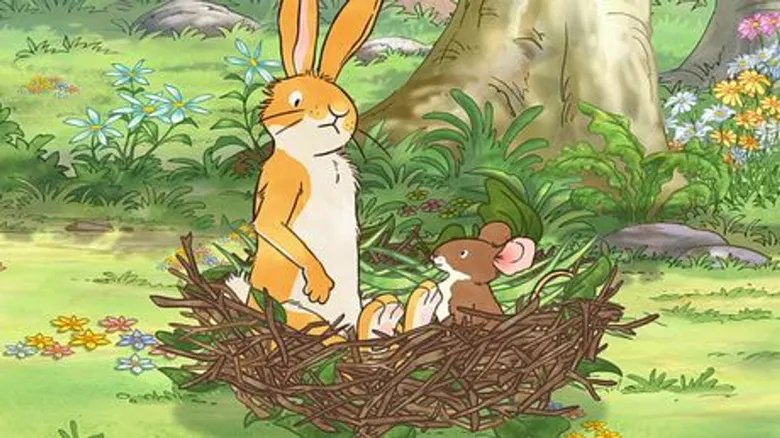
One clear thread carries the whole episode: Little Nutbrown Hare and Little Field Mouse decide to build a nest and keep improving it. Events follow each other in order, with a recognizable beginning, middle, and end, and each new problem grows naturally out of the last. New objects and ideas arrive one at a time, leaves, twigs, thistle down, grass, so a young child can follow what is happening. Actions lead to predictable results, like the nest collapsing when it is not strong enough.
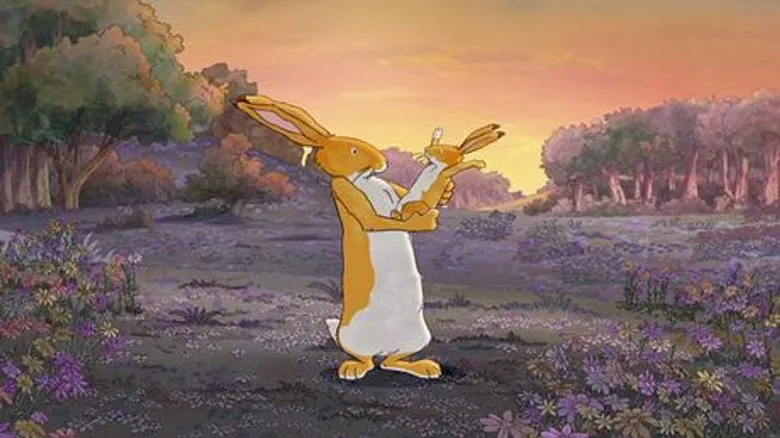
The tone stays warm and supportive throughout, with the two friends encouraging each other and never mocking or nagging. Small frustrations, a nest that is too prickly or too tight, are met with patience and resolved right away in the same or the next scene. The mild surprise of the fox leaping out is softened immediately with a friendly apology. It closes on the tender exchange between Big and Little Nutbrown Hare about how much they love each other.
The two friends set the whole project in motion themselves, deciding 'Why don't we build one?' without any grown-up pushing them. The nest-building shows a real thinking loop: they try, notice a flaw, name it, and adjust, rebuilding three times to make it stronger and swapping materials to make it comfy. Their reasoning is spoken aloud, like realising that the grass that softens the ground can soften the nest. When the nest no longer suits them, they work out a new plan and give it to someone who needs it.
The narration and dialogue use short, clear sentences with concrete words a toddler can picture, such as prickly, soft, comfy, and tickly. Language is used consistently and functionally, describing what the characters do and feel, with playful repetition like 'around and around' that reinforces meaning. A few less common words appear, thistle and down, but they are explained in context. Sentences are mostly complete and the speech is clear and calm.
The episode connects to real life through a hands-on building activity with recognizable objects, gathering sticks, leaves and grass, and testing whether it works. The steps of trying, fixing and sharing are things a child could copy in their own play, and the social lesson of giving something away to a friend who needs it is easy to recognize. The main limit for the real-world link is that the whole world is made of animals who talk and reason like people, which places it in gentle imagination rather than everyday reality. The family warmth and cooperation still mirror patterns a child knows from home.
More information
This score shows how inclusively the series portrays diverse people, families and cultures. Scale: Limited → Varied → Rich → Inclusive.
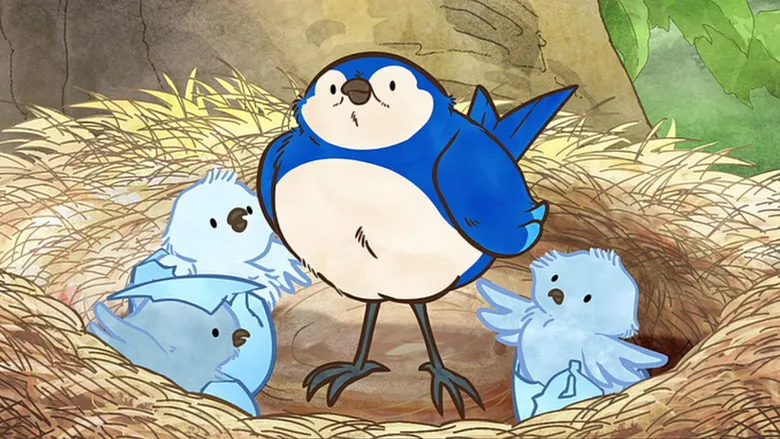
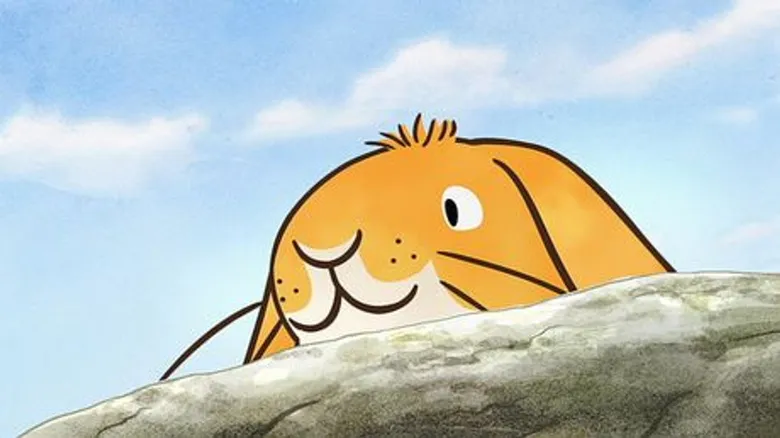
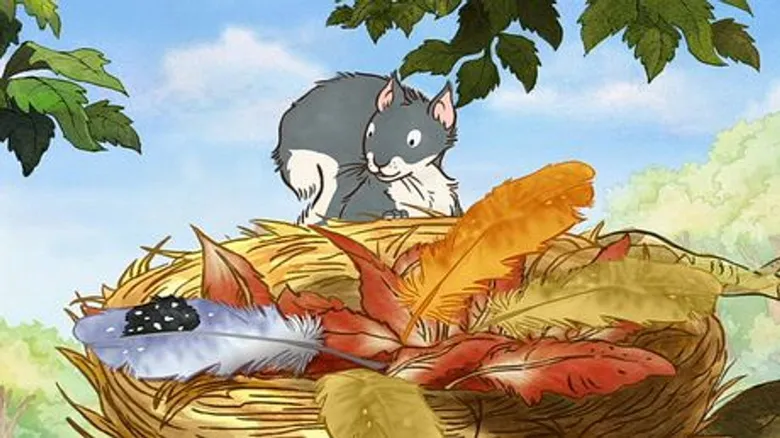
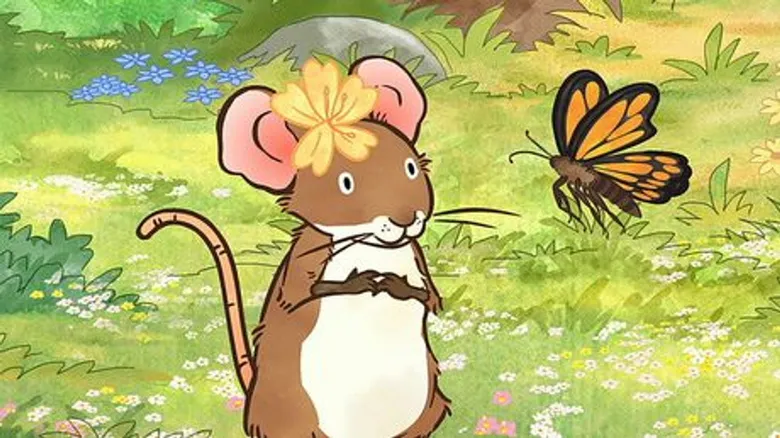
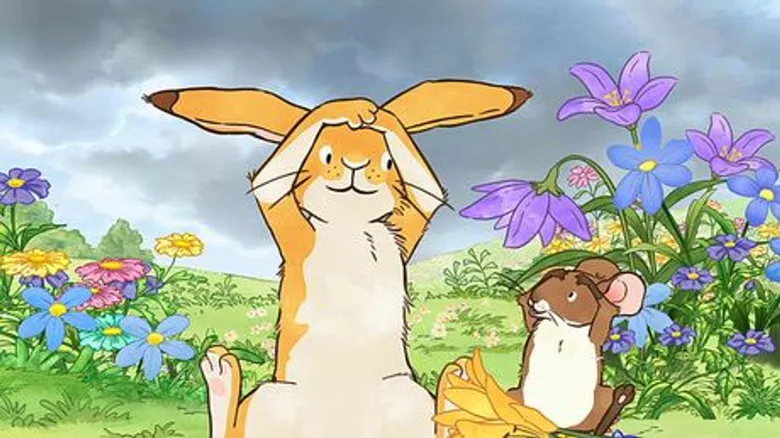
The cast is entirely animals living in one sunny meadow: Little Nutbrown Hare, his caring parent Big Nutbrown Hare, Little Field Mouse, plus a singing chaffinch, a nest-building bluebird, a grey squirrel and a fox. This keeps the world narrow, one kind of setting and one central pairing, so the breadth of people and ways of living you might hope to see is not really present. Where the episode does well is in how the characters behave: the two young friends build the nest together as equals, both offer ideas, both make mistakes, and the adult hare is a warm, encouraging figure rather than the one who fixes everything. Roles are shared and free of fixed patterns, even if the overall picture of who appears stays limited.
This score shows whether the series stays close to everyday reality or leans into fantasy. Scale: Fantasy → Mixed reality → Realistic.
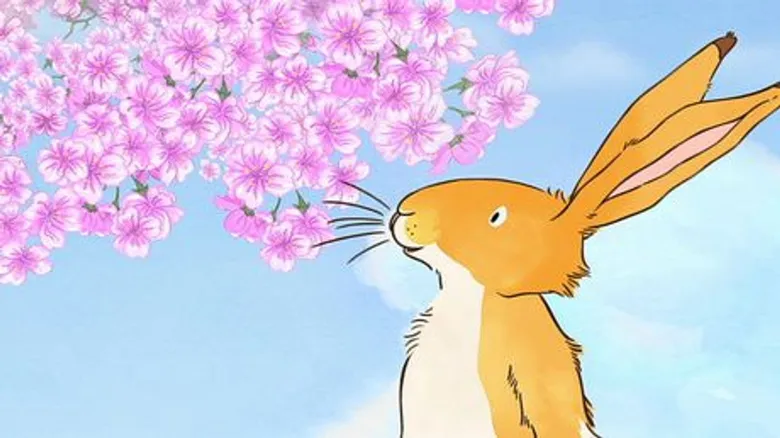
The world here stays close to a toddler's real experience: a spring meadow, animals gathering leaves, twigs and grass, and the simple project of building a cosy nest. The only imaginative touch is that the animals talk and reason like people; everything else, from a prickly thistle to soft grass, behaves exactly as in real life. There is no villain and no danger, only friendly trial and error as Little Nutbrown Hare and Little Field Mouse figure out why their nest keeps going wrong. For a two-year-old this gentle mix of the familiar with a light dusting of make-believe is a comfortable fit.
This score shows how enjoyable the series is for parents watching along. Scale: Tedious → Tolerable → Pleasant → Enjoyable.
The craft here is the strong point. Soft watercolour animation, a warm storybook narrator, and gentle voices make this an easy presence in the room for a watching adult. The story of building a nest and passing it along has a clear shape and a tender closing line about love that lands for grown-ups too. There is little aimed specifically at adults beyond that warmth, so an accompanying parent mostly observes rather than gets their own hooks.
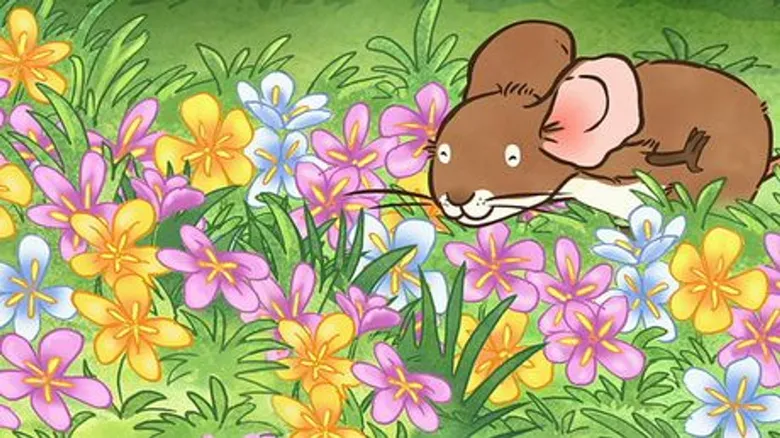
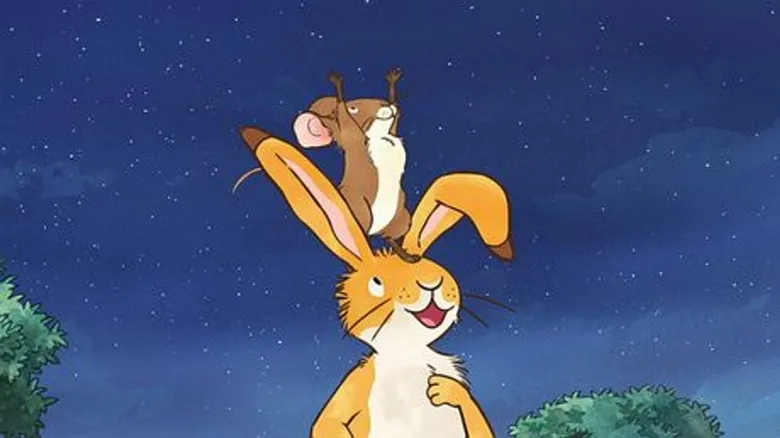
In a spring meadow, Little Nutbrown Hare and Little Field Mouse decide to build their own nest to play in. They gather twigs, leaves and grass and keep fixing it as it turns out too weak, too prickly and then too tight for them both. When it no longer suits them, they offer it to a squirrel, a fox and Big Nutbrown Hare before it finally becomes a home for a bird. They end the day playing with friends, deciding the whole meadow is their own great big nest.