
















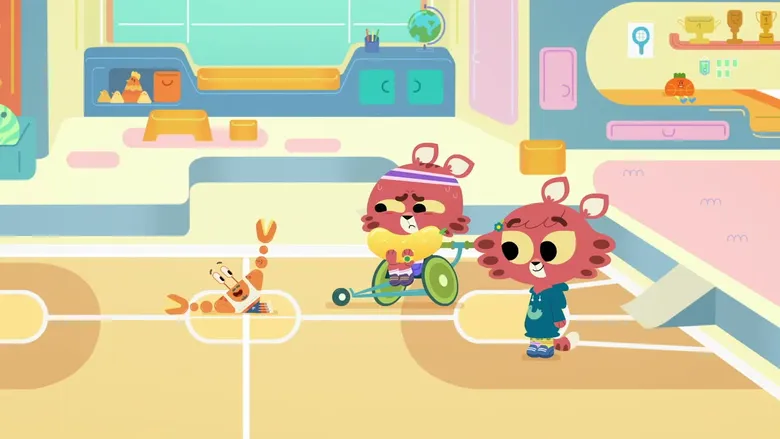
This program is well-balanced. It remains mostly easy to follow and process. It is a good fit for the recommended age.
The pacing is fast. Images follow each other quickly, leaving little time to pause and take in what is happening.
The sound is soft and supportive.
The visuals are calm and well-organized.
One clear thread runs the whole way through: the room is too messy to play in, so the toys need to be tidied. Events follow in order, from noticing the mess, to trying one method, to landing on sorting everything by color, with a recognisable beginning, middle and end. New ideas arrive at a manageable rate for this age, and each choice leads to a sensible result the child can follow, such as the squirrel needing its car and book kept close. A young preschooler can track what is happening without getting lost.
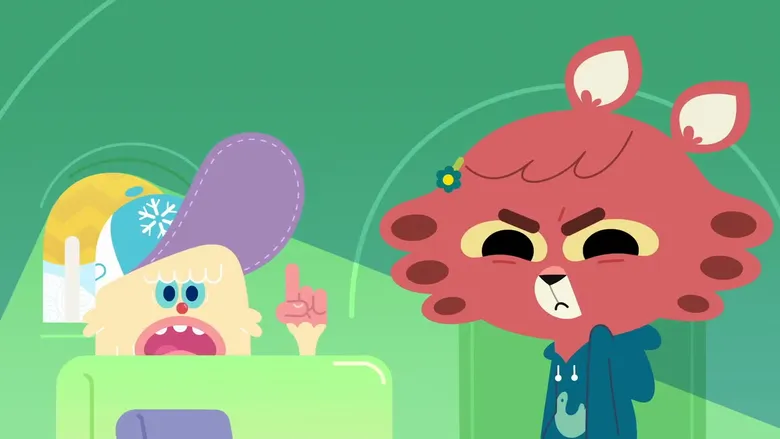
The mood stays warm and steady, with the twins encouraging each other and working things out together rather than clashing. Small bumps of frustration, like one twin saying 'I don't get it, the way you clean up is way too complicated for me', are named openly and smoothed over in the same moment. When a worry pops up, such as the Leonardo toy not fitting any team, it is quickly answered with a cheerful solution. Nobody is mocked or left upset, and the emotional shifts stay gentle and predictable.
This episode is built around the children figuring something out for themselves. They try grouping toys by type, notice it does not work because a toy cannot reach what it needs, try a second, over-complicated method, and finally invent sorting by color together. The trial, the honest 'maybe my way isn't right', and the adjustment are all shown on screen, which models real problem-solving. The idea comes from the twins themselves, and the final method has clear, repeatable steps.
The language is clear and concrete, built from words a three-year-old already knows: colors, books, cars, toys, and simple counting like 'one book, two books, three books'. Speech is easy to follow, sentences are mostly complete, and most of the talk carries real meaning by describing, counting or explaining what to do next. Expressive bits like 'yay' and 'excellent' are sprinkled in without taking over. It reads as natural, purposeful conversation for this age.
Tidying up is a real, useful activity, and the episode breaks it into visible steps a child could copy at home, including sorting objects by color into groups. The core lesson transfers directly to daily life, which is a genuine strength for this age. The setting works against that, though: this is a candy-colored make-believe world with a talking cloud named Puff, a magic shape-guessing toy, and a rainbow handed over in pieces, so the realistic anchor is diluted by fantasy. The social side, siblings compromising and a friend visiting, does mirror recognisable everyday patterns.
More information
This score shows how inclusively the series portrays diverse people, families and cultures. Scale: Limited → Varied → Rich → Inclusive.
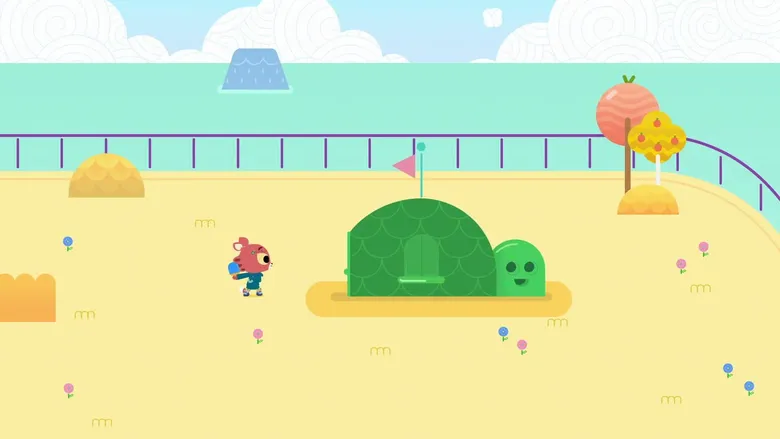
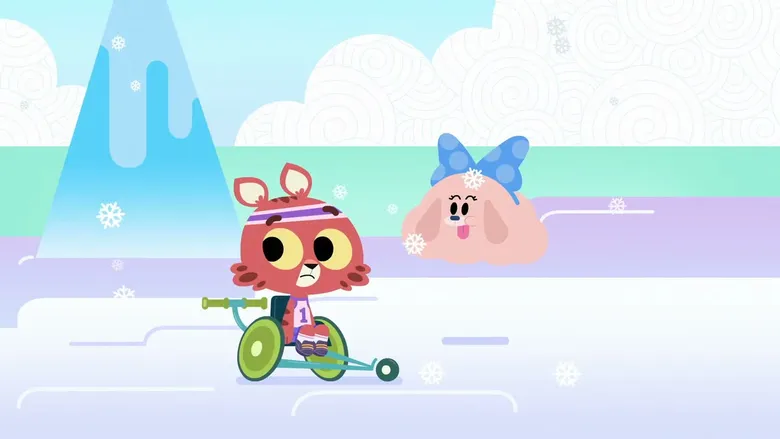
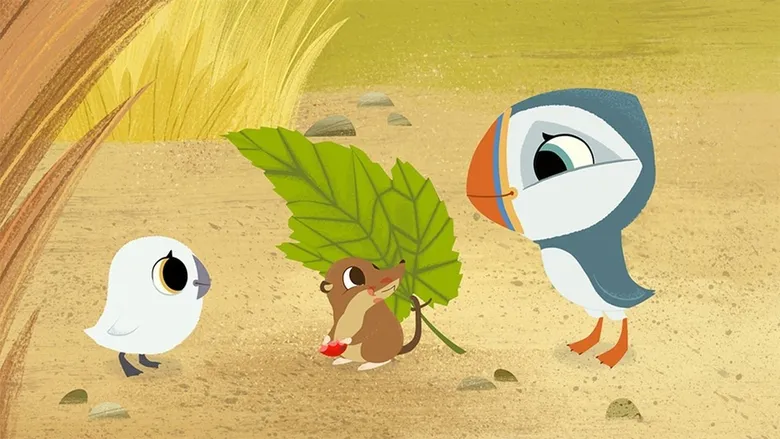
The world of this episode is a soft, made-up land populated almost entirely by a pair of near-identical animal twins, plus a friendly pink cloud named Puff and a few toys. There is no variety in human backgrounds, family setups, ages or ways of living, so the picture of who people are and how they live together stays very narrow. Where the episode does better is behaviour: the two twins work side by side as equals, both take the lead, both get stuck, and both show the full swing from frustration to delight. No one holds the knowledge or does the ordering while the other tags along.
This score shows whether the series stays close to everyday reality or leans into fantasy. Scale: Fantasy → Mixed reality → Realistic.
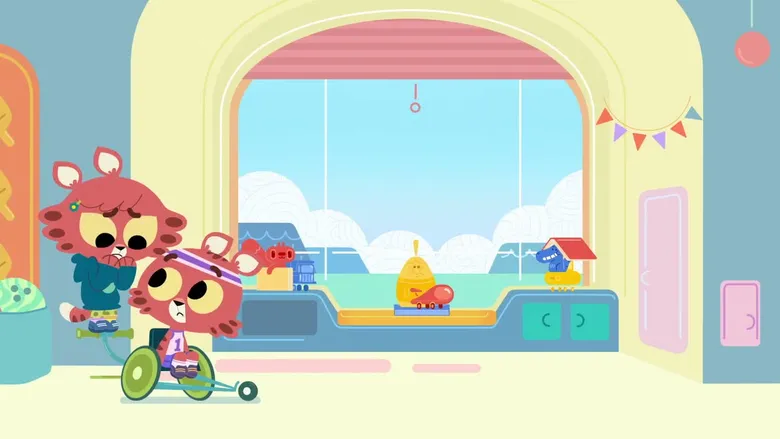
This episode stays close to a child's everyday world: two young twins realise their playroom is too messy to play in and work out how to tidy it together. The problem comes entirely from the situation, differing ideas about how to clean up, with no villain anywhere in sight. Light touches of imagination, a friendly cloud character named Puff and a shared piece of a rainbow, sit gently on top of an otherwise recognisable scene of sorting books, toy cars and stuffed animals by colour. For a three-year-old this mix of familiar routine and soft make-believe fits comfortably.
This score shows how enjoyable the series is for parents watching along. Scale: Tedious → Tolerable → Pleasant → Enjoyable.
This episode is a real pleasure to sit next to as an adult. The craft is clean and considered, the soft palette and gentle voices never grate, and the two siblings work through a genuine little problem: their room is a mess and they cannot agree on how to fix it. There is not much aimed squarely at a grown-up, the humor and stakes stay firmly at a preschooler's level, but nothing here will drive you out of the room. If you are on the couch, you get a calm, well-made ten minutes rather than an ordeal.
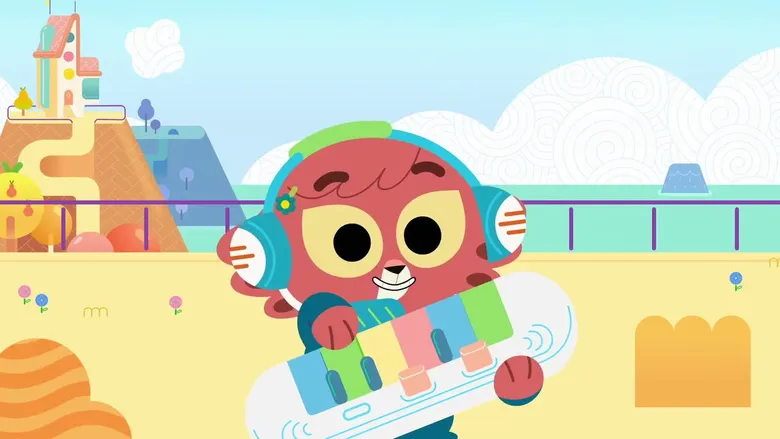
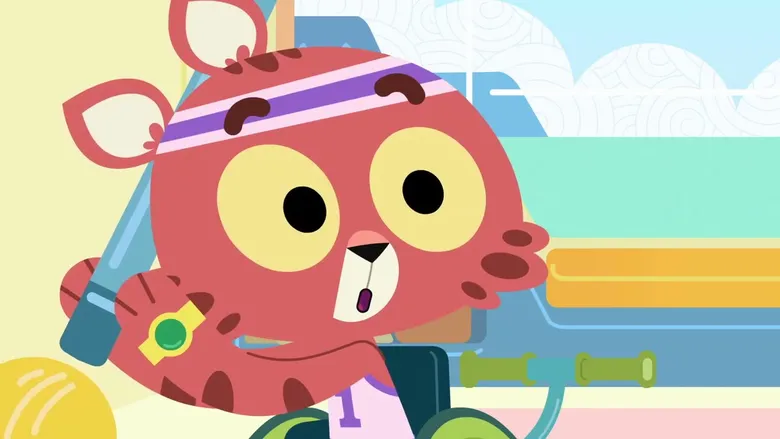
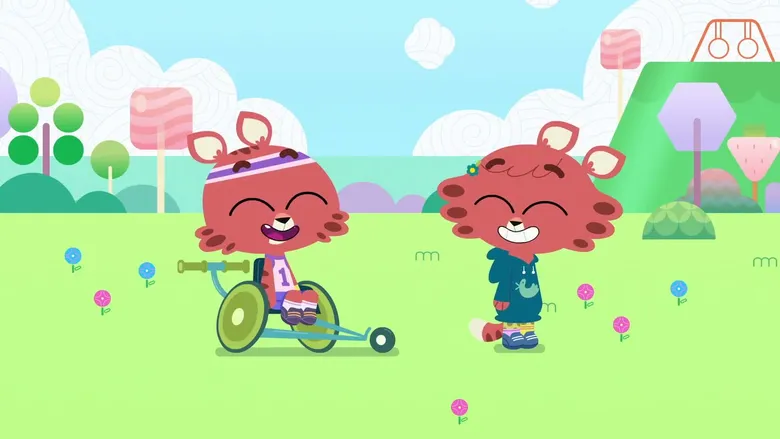
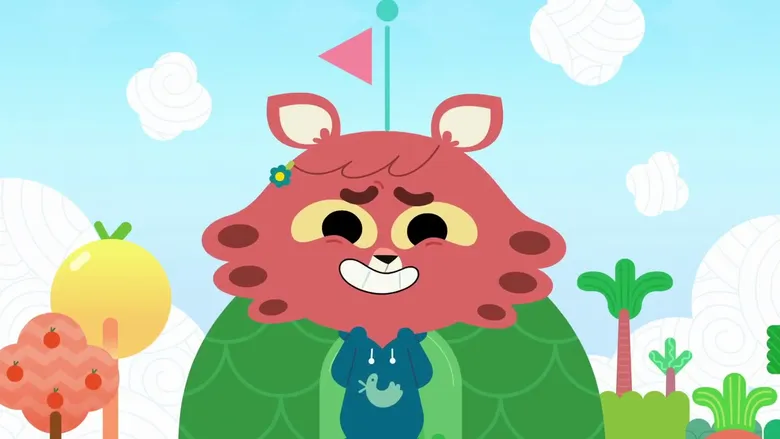
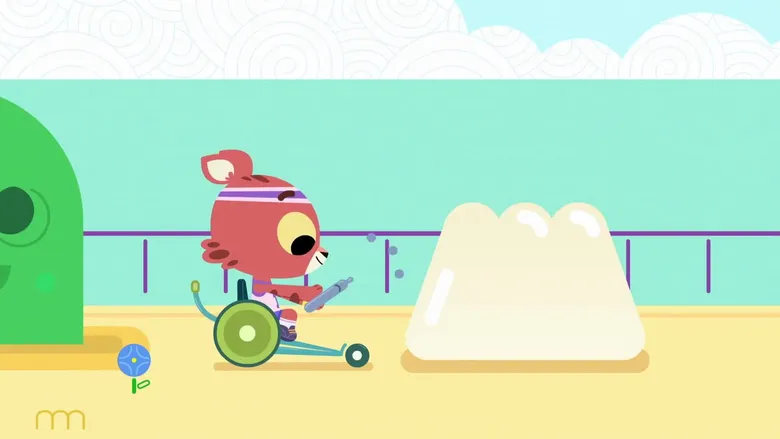
Twins Stan and Olivia realise their playroom is too messy to enjoy, so they set out to tidy it. They try one method, grouping toys by type, then a fussy method that mixes them up, before agreeing to sort every book, car and stuffed toy into red, blue and yellow teams. When their multicolored Leonardo toy fits no team, their friend Puff shares a piece of rainbow to make a multicolored team. The room ends clean and the twins go back to playing.